
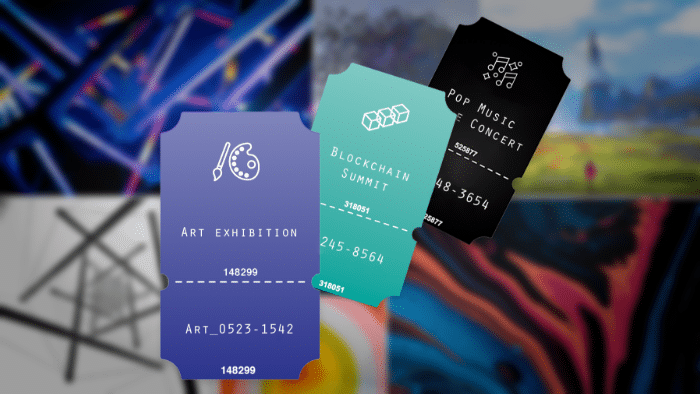
NFT ticketing is an emerging concept that uses blockchain technology to revolutionize the way we open and manage event tickets. In this article, we’ll explore what NFT ticketing is, how it works, and the potential benefits it offers to event organizers, attendees, and the wider ticketing ecosystem. Get ready to dive into the exciting realm of NFT ticketing and its potential to reshape the future of event access.
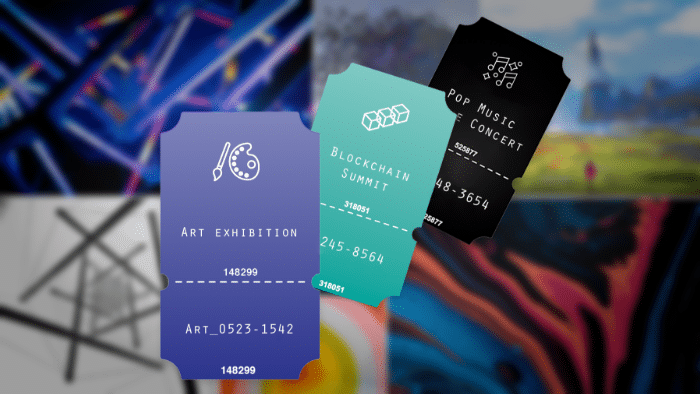
Understand NFT ticketing

NFT ticketing, or Non-Fungible Token ticketing, is a new approach to ticketing that uses blockchain technology and Non-Fungible Tokens (NFTs) to revolutionize the way event access is managed . Unlike traditional tickets that are physical or digital representations of a generic item, NFT tickets are unique digital assets that are verifiable, scarce and indivisible.
NFTs are built on blockchain platforms, with Ethereum being the most widely used network. Each NFT ticket represents a separate token on the blockchain, containing specific metadata such as event details, seat numbers, location information and more. The uniqueness and traceability of NFT tickets make them highly secure and resistant to counterfeiting.
The process of NFT ticketing involves several steps. First, event organizers create NFT tickets by storing unique tokens on a blockchain platform. They attach relevant information to each ticket, making it a complete representation of the event’s admission. These NFT tickets are then offered for sale through online platforms or marketplaces.
When someone purchases an NFT ticket, ownership of the token is transferred to their digital wallet. The transfer of ownership is recorded on the blockchain, ensuring transparency and immutability. The buyer can choose to keep the ticket or transfer it to another party, just like a physical ticket exchange.
Smart contracts, which are self-executing contracts with predefined rules, play a vital role in NFT ticketing. Event organizers can integrate smart contracts into the NFT tickets, specifying conditions such as transfer restrictions, resale rights or access to exclusive event benefits. These smart contracts automatically enforce the defined rules and provide a seamless and automated experience for both organizers and ticket holders.
On the day of the event, attendees present their NFT tickets stored in their digital wallets. The event venue or ticketing system scans the ticket’s unique identifier, verifies authenticity and ownership by interacting with the blockchain, and grants access to the event based on the validated ticket.
NFT ticketing offers several advantages over traditional ticketing systems. First, it improves security and eliminates the risk of counterfeit tickets, as each NFT ticket is unique and cannot be replicated. The transparency and traceability of blockchain records ensures the authenticity and integrity of each ticket.
In addition, NFT ticketing offers opportunities for secondary market transactions. Ticket holders can sell or trade their NFT tickets on various marketplaces, creating additional revenue streams and facilitating ticket transfers in a secure and transparent manner. This opens up opportunities for fan engagement and ticket ownership beyond primary sales.
NFT ticketing also offers scalability and flexibility for event organizers. They can easily create and manage a large number of NFT tickets without the need for physical production or distribution. The customizable nature of NFT tickets allows for different tiers, VIP access or unique benefits, providing attendees with a tailored and personalized experience.
NFT ticketing provides valuable data and analytics to event organizers. Through blockchain records, organizers can gain insight into ticket sales, attendee demographics, and behavior patterns, enabling them to optimize marketing strategies, improve event planning, and improve the overall attendee experience.
NFT ticketing introduces a transformative approach to event access management, leveraging blockchain technology and NFTs to ensure authenticity, enhance security and open up new opportunities for event organizers and ticketholders alike. As this innovative ticketing method gains popularity, it has the potential to reshape the future of event ticketing, creating a safer, more transparent and engaging experience for all stakeholders involved.
How NFT ticketing works
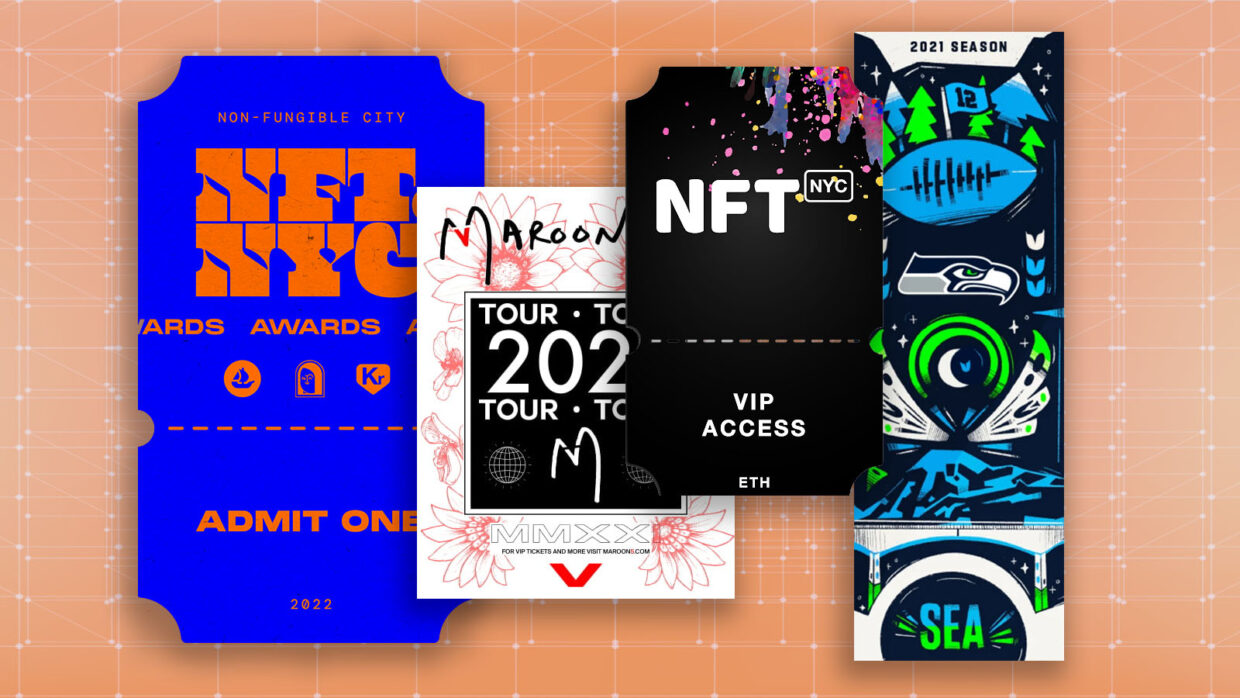
The process of NFT ticketing includes several key steps that ensure the integrity and security of access to events:
- Ticket Creation: Event organizers store NFT tickets by creating unique tokens on a blockchain platform. They associate relevant metadata with each ticket, such as event details, seat information, date and location. This metadata ensures that the NFT ticket contains all the necessary information for access to the event.
- Ticket sales: NFT tickets are usually sold through online platforms or marketplaces. Buyers can use cryptocurrency to purchase NFT tickets and every transaction is recorded on the blockchain, providing a transparent and immutable transaction history.
- Ownership and Transfer: Once a ticket is purchased, ownership of the NFT ticket is transferred to the buyer’s digital wallet. The buyer can keep the ticket or transfer it to another party, just like a physical ticket. The blockchain records ownership history, making it easy to track the ticket’s journey and ensuring authenticity.
- Smart contract integration: Smart contracts, self-executing contracts with predefined rules, play a vital role in NFT ticketing. Event organizers can integrate smart contracts into the NFT ticket, automatically enforcing event-related rules and conditions. These rules may include restrictions on ticket transfers, resale conditions, or access to exclusive event benefits.
- Event Access: On the day of the event, attendees present their NFT ticket stored in their digital wallet. The event venue or ticketing system scans the unique ticket ID and verifies its authenticity and ownership by interacting with the blockchain. Once the ticket is confirmed, the visitor will be granted access to the event.
Benefits of NFT ticketing
NFT ticketing offers several benefits that could revolutionize the ticketing industry. Here are some key benefits of NFT ticketing:
- Enhanced Security: NFT ticketing offers a high level of security compared to traditional tickets. Each NFT ticket is a unique digital asset built on blockchain technology, ensuring its authenticity and preventing counterfeiting. The decentralized nature of blockchain makes it difficult for fraudulent activity, giving both event organizers and attendees peace of mind.
- Elimination of ticket fraud: With NFT ticketing, the risk of ticket fraud is significantly reduced. Since every NFT ticket is verifiable and traceable on the blockchain, it becomes virtually impossible to produce counterfeit tickets. This protects event organizers against loss of revenue and ensures that visitors can rely on the authenticity of their tickets.
- Seamless Secondary Market: NFT ticketing enables a secondary market for ticket holders to sell or trade their tickets. This creates new opportunities for fans and collectors to participate in events and provides additional revenue streams for ticket holders. The transparent and secure nature of blockchain ensures that secondary market transactions are trustworthy and reliable.
- Scalability and flexibility: NFT ticketing provides scalability and flexibility in ticketing. Event organizers can easily create and manage a large number of NFT tickets without the limitations of physical printing and distribution. NFT tickets can be customized to offer different tiers, packages or benefits, giving attendees a personalized experience.
- Improved Fan Engagement: NFT ticketing opens up new avenues for fan engagement and interaction. Ticket holders can participate in exclusive events, access digital content or receive special benefits associated with their NFT tickets. This creates a sense of exclusivity and strengthens the bond between event organizers and visitors, creating a loyal fan base.
- Data and Analytics: NFT ticketing provides valuable data and analytics for event organizers. Blockchain records enable organizers to gain insight into ticket sales, attendee demographics, and buying patterns. This data can be used to improve marketing strategies, optimize event planning and improve the overall attendee experience.
- Environmental sustainability: NFT ticketing reduces the environmental impact associated with traditional ticketing methods. By eliminating the need for physical tickets, printing and mailing, NFT ticketing helps reduce paper waste and carbon emissions. This aligns with sustainability efforts and promotes environmentally friendly practices in the events industry.
- Global Accessibility: NFT ticketing enables global accessibility to events. Since NFT tickets are digital assets, visitors from anywhere in the world can purchase and access tickets without the constraints of physical proximity. This extends the reach of events, enables international fan participation and creates a more inclusive and diverse audience.
- Integration with digital wallets: NFT tickets can be stored and managed in digital wallets, providing convenience and easy access for visitors. Digital wallets allow ticket holders to keep all of their event tickets in one place, eliminating the need for physical ticket handling and reducing the risk of loss or damage.
NFT ticketing offers a range of benefits, including enhanced security, less ticket fraud, secondary market opportunities, scalability, fan engagement, data insights, environmental sustainability, global accessibility, and integration with digital wallets. As NFT ticketing continues to evolve, it has the potential to transform the ticketing industry and deliver a more secure, efficient and engaging experience for event organizers and attendees alike.
Conclusion
NFT ticketing represents a breakthrough innovation in the ticketing industry, leveraging blockchain technology to ensure authenticity, improve security and open up new opportunities for ticket holders and event organizers. The uniqueness of NFT tickets, combined with the transparency and traceability of blockchain, has the potential to eliminate ticket fraud, streamline event access and promote a more personalized and engaging experience for attendees. As NFT ticketing gains popularity, it is likely to reshape the future of event access, creating a more efficient and inclusive ticketing ecosystem.
DISCLAIMER: The information on this website is provided as general market commentary and does not constitute investment advice. We recommend that you do your own research before investing.