

Imagine a world where commerce thrives in an entirely digital landscape, untethered from physical constraints. The Metaverse, a collective virtual shared space, is rapidly shaping the future of how we interact, work, and conduct business. Understanding the dynamic virtual economies at its core becomes crucial as this digital frontier expands.
This article delves into the strategies essential for thriving in the virtual economies of the Metaverse. From building immersive environments to harnessing the rise of virtual currencies and understanding the pivotal role of game developers, we will explore how virtual economies are shaping the Metaverse.
Understanding Virtual Economies
Economies have always played a crucial role in shaping societies, dictating the flow of resources among individuals and organizations. With the digital age in full swing, a new type of economy has emerged — the virtual economy.
Virtual economies exist within virtual environments and are as layered and complex as their real-world counterparts. Found primarily in online games, social platforms, and virtual worlds, these economies allow virtual monies, goods, properties, and services to be exchanged.
Central to these virtual economies is often a cryptocurrency, a digital form of money that enables users to acquire virtual goods and services. This currency acts as the bedrock of economic activity within these digital landscapes, bridging the gap between pure entertainment and real economic value.

How do Virtual Economies Work?
Typically found in online games and social platforms, virtual economies empower users to buy, sell, and exchange goods and services using virtual currencies. These economies often mimic real-world economic systems but operate under different constraints and possibilities offered by their digital nature.
Users in virtual economies can earn in-game currency or virtual money through various activities such as completing quests, selling items, or even making direct purchases with real-world currency. This virtual currency forms the primary medium of exchange and acts as a store of value, enabling users to amass wealth and participate actively in the virtual economy.
In these environments, entrepreneurs find room to innovate, creating entirely new businesses and revenue streams. For example, a user may design virtual clothing or develop unique game assets that can be sold to other players. Additionally, users often engage in complex trading and speculation within virtual marketplaces, striving for economic success just as they would in the real world.
The Importance of Virtual Economies in the Metaverse
As we enter the era of the Metaverse, virtual economies are gaining unprecedented significance. The Metaverse Economy represents a convergence of virtual reality (VR), augmented reality (AR), and blockchain technologies, breaking down traditional barriers to commerce and enabling new modes of economic engagement. Here, virtual currencies, NFTs, and digital assets become pivotal, allowing users to buy, sell, and trade within a borderless and decentralized economic landscape.
The advent of the Metaverse is set to transform notions of value and ownership as digital assets acquire real-world worth and virtual transactions become as significant as physical ones. Innovations like blockchain provide the underlying framework for secure, transparent, and verifiable digital asset ownership, attracting casual users and serious investors alike.
Opportunities in the Metaverse are boundless. From the simple sale of virtual lands to hosting large-scale events in virtual spaces, entrepreneurs are free to explore imaginative business models, while users can partake in a social experience enhanced by a rich virtual economy.
Moreover, as the Metaverse Economy grows, it will likely impact even larger segments of the real-world economy. Real estate development within the Metaverse is a prime example, mirroring the real-world industry yet operating with wholly digital assets.
Building Virtual Worlds and Environments
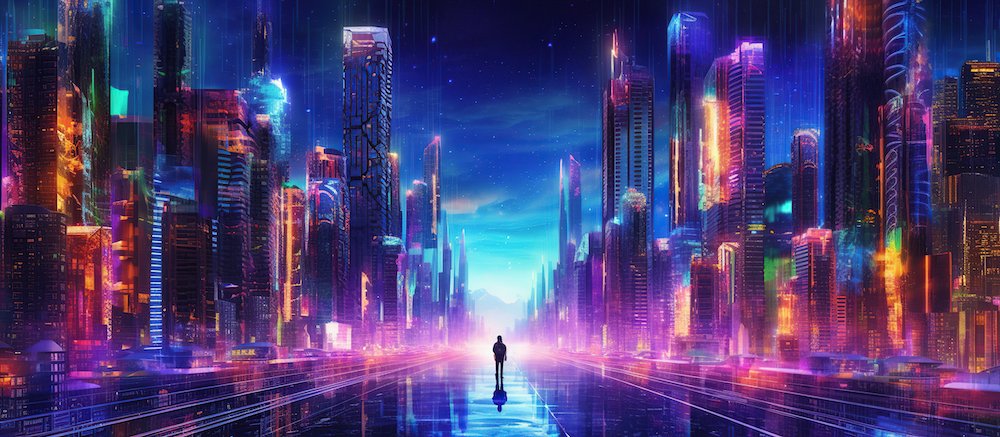
In the burgeoning landscape of virtual economies, constructing virtual worlds and environments is a fundamental pillar. Amidst this digital renaissance, brands and companies are eager to tap into the Metaverse, expanding their digital footprint to reach a broad global audience and unfolding new revenue streams that synergize with enhanced user experiences.
The strategic leveraging of virtual assets through blockchain technology in the Metaverse allows for unparalleled customer engagement.
Opportunities abound as companies venture into the virtual real estate market or curate digital art exhibitions, capitalizing on this dynamic intersection of technology and creativity to bolster brand awareness and engagement.
Creating Immersive Experiences for Users
It’s an interesting era for startups and established businesses as they harness the potential of the Metaverse to forge immersive experiences. By re-envisioning how companies engage with customers, employees, and stakeholders, the Metaverse presents a platform for novelty and growth.
Estimations indicate that the metaverse economy could amplify a staggering market value of up to $5 trillion by 2030, potentially engaging 5 billion users—a testament to the massive scope for immersive experiences.
Educational institutions such as the Wharton School of the University of Pennsylvania are already paving the way with initiatives like the “Business in the Metaverse” executive certification program, acknowledging the importance of integrating immersive experiences into business strategies.
Designing Virtual Spaces for Economic Activity
Virtual economies within the Metaverse are multifaceted, underpinning the exchange of digital assets that drive economic activity in virtual spaces. Decentralization is key, handing users the reins over their transactions and fortifying against fraudulent activity within these virtual economic interactions.
For game developers and virtual space architects, striking a balance within virtual economies is crucial to ensure engagement and creativity flourish without being overshadowed by financial transactions.
An in-depth understanding of player behaviour and spending habits informs game design choices, fostering content creation and event planning that enhance user engagement.
However, trading virtual items for real money, especially in external secondary markets, raises legal and ethical questions—such as handling fraud, regulating transactions, and taxing virtual earnings—pivotal to virtual economic environments’ integrity and dynamism.

The Rise of Virtual Currencies and Digital Assets
Virtual currencies and digital assets have ascended to prominence in an age where virtual worlds are not just entertainment but also platforms for substantial economic activity. Within vast digital realms such as Decentraland and Roblox, users have embraced these currencies as the lifeblood of their virtual existence.
The value attributed to virtual real estate is a stark testament to this rise, with virtual plots on some platforms fetching millions, highlighting the tangible wealth generated in the intangible realm.
Fashionable clothing for an avatar, limited-edition accessories, or prime virtual real estate not only enable individual expression but also allow appreciation of value, mirroring investments in real-world art and property.
Exploring the concept of virtual currency
Entrepreneurs and hobbyists utilize virtual currency as the stepping stone to turn virtual ventures into real income sources. From digital storefronts selling in-game attire to virtual service providers offering unique experiences, currency flows through these platforms, creating robust economies.
Furthermore, selling virtual items and currencies for real-world money is not only common but a bridge between two once-disparate financial realms.
Online Games and Virtual Marketplaces
In the digital tapestry of modern entertainment, online games have woven complex virtual economies that mirror the bustling marketplaces of the real world. As these virtual economies flourish, they catalyze the rise of vibrant online marketplaces.
These digital bazaars extend beyond the confines of the gaming universe into virtual worlds and social platforms, where currencies and commodities are openly traded for real-world money.

The growth of online games and their impact on virtual economies
The ascendancy of online games has profound implications for virtual economies and, by extension, the real-world financial landscape. As gamers invest time, effort, and indeed money into these digital spaces, a once-niche pastime transforms into an economic dynamo.
These virtual economies are not static. They are dynamic, evolving entities that increasingly reflect the complexity of real-world financial systems. Supply and demand, inflation, market speculation—all these forces operate within online games, impacting virtual and real economies alike.
Game developers constructing these complex systems are akin to monetary policymakers, carefully managing the in-game economy and currencies to ensure balance and sustain engagement.
The emergence of virtual marketplaces for buying and selling digital assets
Venture into the Metaverse and find a burgeoning arena of virtual marketplaces where digital assets change hands with ease and transparency. Here, the promise of blockchain technology shines brightly, as NFTs make it possible to own, trade, and profit from verifiable and unique digital creations.
Platforms like OpenSea and SuperRare have emerged as digital trading posts for these valued assets. These marketplaces are not confined to gaming paraphernalia; they encompass a range of digital commodities, from innovative art to virtual real estate to domain names. They represent a new asset class breed that offers the masses an inclusive investment opportunity.
The Virtual Real Estate Boom
Always vigilant for innovative ways to engage with their target demographics, brands are buying up this digital acreage across various metaverse platforms. This investment is not purely speculative—it’s a strategic establishment of a presence in futuristic settings wherein their target audience can interact dynamically with them.
Virtual property in the Metaverse is ripe for many establishments: shopping centres, nightclubs, and apartments offer a glimpse of possibilities, all expandable with the limitless creativity these platforms allow.
Transactions for virtual land have surged, with some plots commanding prices in the millions. Early adopters and savvy entrepreneurs are already reaping the benefits of this boom—generating substantial income from property deals and sales of virtual goods.
Smart contracts ensure they can earn yield and rent fees in ways strikingly similar to traditional real estate, fostering a new genre of digital revenue streams.
Real estate development as a lucrative business model in the Metaverse
The burgeoning metaverse landscape rapidly proves that real estate development within it can be a profitable business model. As in the material world, the Metaverse offers the opportunity for property owners to shape empty digital lots into attractive destinations that draw patrons and profit. Creating immersive environments allows property developers in the Metaverse to appeal to users seeking novel social and commercial experiences in virtuality.
Such a market has catalyzed the spawning of new business models. Entrepreneurs can build and manage virtual establishments—sleek high-rise apartments for digital denizens or monumental arenas for virtual concerts. On the other hand, brands can establish flagship stores and interactive advertisements in bustling virtual districts, crafting a futuristic setting for commerce and conversation.
Expanding business models in the virtual world
The rise of the metaverse has seen traditional business models morph and expand into digital domains, ushering in an age of virtual entrepreneurship and innovative marketplaces. In the realm of virtual real estate, platforms like The Sandbox are revolutionizing how users interact with digital land, allowing them to rent, sell, or populate their spaces with unique constructions via the OpenServe NFT marketplace.
This new economic context is also giving rise to Digital-only fashion, where pioneering companies like The Fabricant are leading the industry toward a reality where clothing is no longer confined to the material world. These virtual garments, traded as NFTs, are becoming status symbols and identity markers within various virtual worlds.
Meanwhile, Direct-to-Avatar (D2A) commerce unfolds as an emerging business strategy. Here, products and services are sold not to the physical consumer, but to their digital alter egos—avatars inside these virtual spaces. This unique approach to retail presents a direct line to digital consumers and a fertile space for businesses that can adeptly navigate this paradigm shift.