
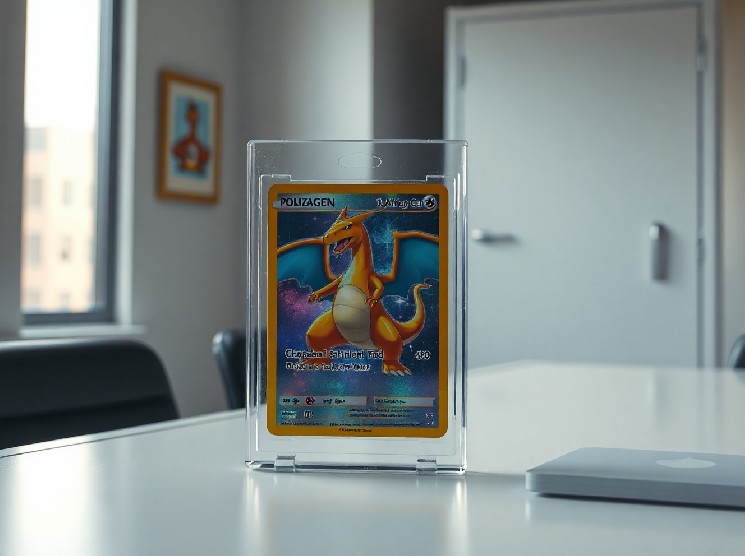
The market for tokenized Pokémon cards has reached a new milestone. According to data from ODaily, total sales of blockchain-based digital representations of physical Pokémon cards reached a record high of $7.4 million in the first week of May. This figure represents an increase of 337% compared to the same period last year, indicating growing interest in real-world asset (RWA) tokenization among collectors and investors.
Market leaders and stock distribution
The tokenized Pokémon card market is currently dominated by three main platforms. Courtyard leads with a 46% market share, followed by Collector Crypt with 27% and Phygitals with 26%. These platforms allow users to buy, sell and trade digital tokens that represent ownership of specific physical cards stored in professional, insured vaults. The model eliminates many of the risks associated with physical commerce, including counterfeiting, transportation accidents, and damage from handling or storage.
Why tokenization is important for collectors
The rise in sales of tokenized Pokémon cards reflects a broader trend in the RWA sector, where physical assets are represented as digital tokens on a blockchain. For collectors, this offers several benefits: verified authenticity through professional grading and warehousing, fractional ownership options, and a global, 24/7 marketplace. The system also provides a transparent, immutable view of ownership and transaction history, which can increase trust and liquidity in what was previously a largely opaque and fragmented market.
Implications for the broader collectibles market
The success of tokenized Pokémon cards could impact other collectible asset classes, including trading cards from other franchises, luxury goods, fine art and even real estate. As blockchain infrastructure matures and regulatory clarity improves, the RWA model is likely to attract more institutional and private participants. However, the market is still in its infancy and potential risks include vulnerabilities in smart contracts, custodian trusts and regulatory uncertainty regarding the classification of digital assets.
Conclusion
Record sales of tokenized Pokémon cards in early May underscore the growing intersection of traditional collectibles and blockchain technology. With platforms like Courtyard, Collector Crypt and Phygitals driving adoption, the RWA model is proving its worth in addressing long-standing pain points in the brick-and-mortar collectibles business. While the market is still evolving, the data suggests that tokenization is not just a passing trend, but a meaningful shift in the way collectors and investors approach asset ownership and liquidity.
Frequently asked questions
Question 1: What are tokenized Pokémon cards?
Tokenized Pokémon cards are digital tokens on a blockchain that represent ownership of a specific physical Pokémon card. The physical card is stored in a professional vault, while the token can be traded or sold on digital marketplaces.
Question 2: How do tokenized cards reduce risk compared to physical trading?
By storing the physical card in a secure, insured vault, tokenization eliminates risks such as counterfeiting, damage in transit, loss and theft. The blockchain also provides a transparent and immutable record of ownership and transaction history.
Question 3: Is the tokenized Pokémon card market regulated?
Regulations vary by jurisdiction. The RWA tokenization space is still developing and the regulatory frameworks for digital assets are evolving. Investors should conduct their own due diligence and be aware of the potential legal and tax implications.