
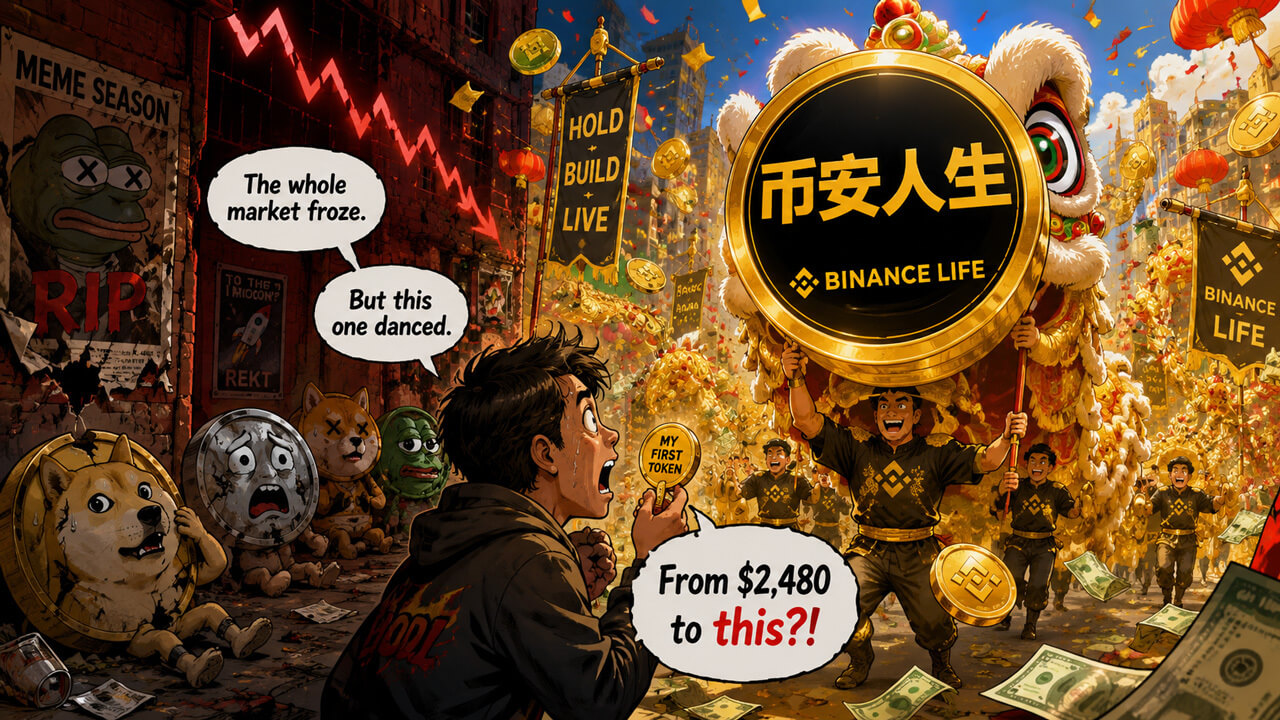
A memecoin trader turned a $2,480 bet into more than $12 million, creating one of the industry’s rare breakout winners at a time when the broader memecoin market is collapsing.
On-chain analyst Ember CN reported On June 1, the trader Binance Life, also known as BianRensheng, reported within half an hour of its implementation and launch in October. The wallet used 2.14 BNB, worth about $2,480 at the time, to acquire 18.5 million Binance Life tokens at an average price of about $0.00013.
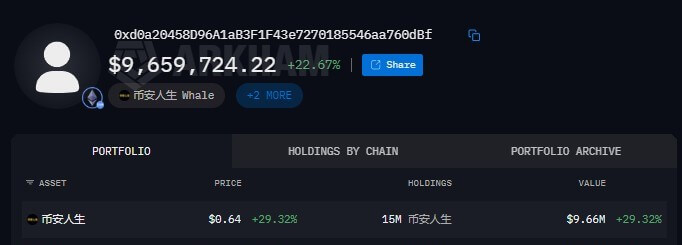
The position has since grown into an eight-figure windfall after Binance Life surged 40% on June 1. The trader moved 3.5 million tokens, worth about $2.38 million, to Binance, marking the start of profit-taking after months of holding on to one of crypto’s most volatile trading segments.
Even after the transfer, the wallet still contains approximately 15 million Binance Life tokens on chain, worth approximately $10 million. That brings the total position to almost $12.38 million and provides a return of approximately 5,000 times the initial purchase.
The gain stands out because the trader did more than just buy early. Early memecoin buyers often sell after the first big move, especially when a token has little liquidity and no fundamental valuation anchor.
In this case, the wallet held this position for months before making a partial profit, allowing a small speculative entry to become one of the latest lottery-like wins in crypto.
Binance Life is riding a Chinese-language meme wave
Binance Life is part of a growing group of Chinese-language memecoins built around internet culture, humor, and viral community stories.
Unlike most crypto assets that claim to be tied to infrastructure, payments, governance or financial applications, memecoins are usually traded based on attention. Their value depends on social momentum, liquidity and the belief that new buyers will continue to enter the market.
That structure has helped turn tokens like Dogecoin, Shiba Inu, Pepe, and Bonk into major speculative assets during previous market cycles.
More recently, Chinese-speaking communities have begun to produce their own versions of that craft, using characters, slang, jokes and regional Internet references to build a market identity.
BNB Chain has also been drawn deeper into the memecoin cycle. Last year, Binance launched Meme Rush to support meme projects on BNB Chain, giving new tokens a more visible route to market.
Former Binance CEO Changpeng Zhao also helped spark a separate wave of speculation last year after he revealed the name of his adopted dog, Broccoli, triggering a flood of Broccoli-themed tokens.
Binance Life’s rally shows that isolated memecoin winners can still emerge if the right mix of timing, culture and liquidity arrives.
The broader memecoin trade is collapsing
However, the broader sector is no longer moving with the same vigor that defined the previous cycle.
Data from CryptoSlate shows that the total market capitalization of memecoin has fallen to around $32 billion, with almost every major subsector posting losses this year.
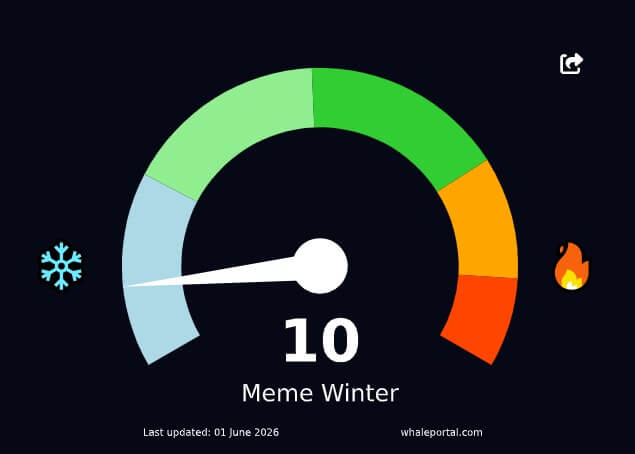
The meme season Indexwhich tracks how many leading meme tokens outperform Bitcoin, currently stands at 10, indicating that most major memecoins are underperforming the world’s largest digital asset.
That marks a sharp turnaround from 2024, when Pump.fun and similar launch pads sparked an explosion of Solana-based memecoins, propelling tokens like BONK and PEPE to new highs.
The renewed interest in these coins, along with political speculation surrounding Donald Trump’s re-election, has helped push the total market capitalization of memecoins to a record $150.6 billion by December 2024.
However, the market began to turn after the controversial launches of TRUMP and LIBRA in January 2025, increasing concerns about insider timing, overcrowded speculation and retail losses. By November, the sector had fallen to $47.2 billion. Since then it has fallen further.
That makes Binance Life trading both remarkable and misleading. One wallet turned a few thousand dollars into millions, but the broader memecoin market has lost most of the momentum that made such transactions seem common during the peak.
Still, it shows that the market remains capable of producing extreme winners, but those wins are now taking place against a weaker backdrop where most tokens are falling, liquidity is thinner and traders are becoming more selective.