
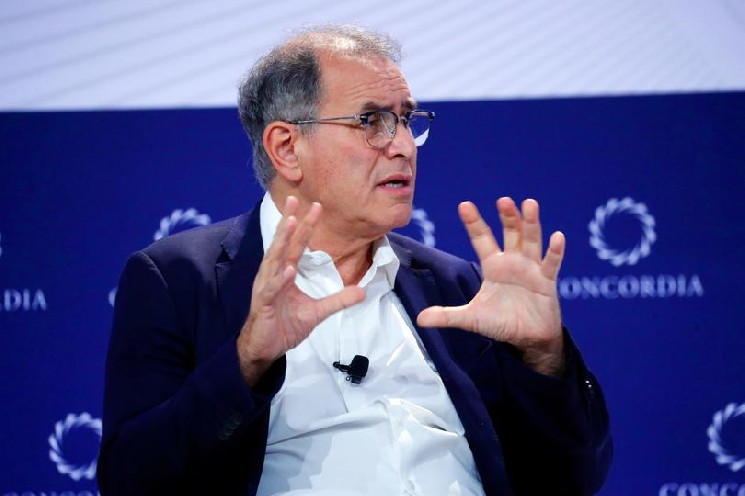
The launch is the latest example of tokenization, a fast-growing sector that places traditional assets such as funds, bonds and stocks on blockchain networks. Proponents claim the technology can make it easier to transfer and settle assets, reach a broader group of investors worldwide, while enabling 24-hour trading.
Major companies including BlackRock, Franklin Templeton and Apollo have launched tokenized investment products, boosting the market for tokenized assets above $30 billion, excluding stablecoins, according to data from rwa.xyz.
From crypto critic to tokenization supporter
Atlas’ move is notable because Roubini has criticized cryptocurrencies for years as speculative assets with little intrinsic value. However, the distinction seems to be the underlying assets.
The fund behind the USAfi token aims to deliver stable returns across economic environments while preserving capital through exposure to US government bonds, real estate, gold and agricultural commodities.
“We are living in the most dangerous period for savers in a generation,” Roubini said, citing inflation, trade wars and geopolitical tensions that are eroding investors’ purchasing power. “For years I have argued that most digital assets offered no protection against this because they had no real assets behind them,” he said.
Atlas presents the USAFi token as a ‘Technodollar’ product. CEO Reza Bundy argued that while stablecoins are designed to move dollars across blockchain rails, tokenized investment vehicles like USAFi can serve as digital reserve assets by giving investors exposure to a diversified portfolio of productive assets.