
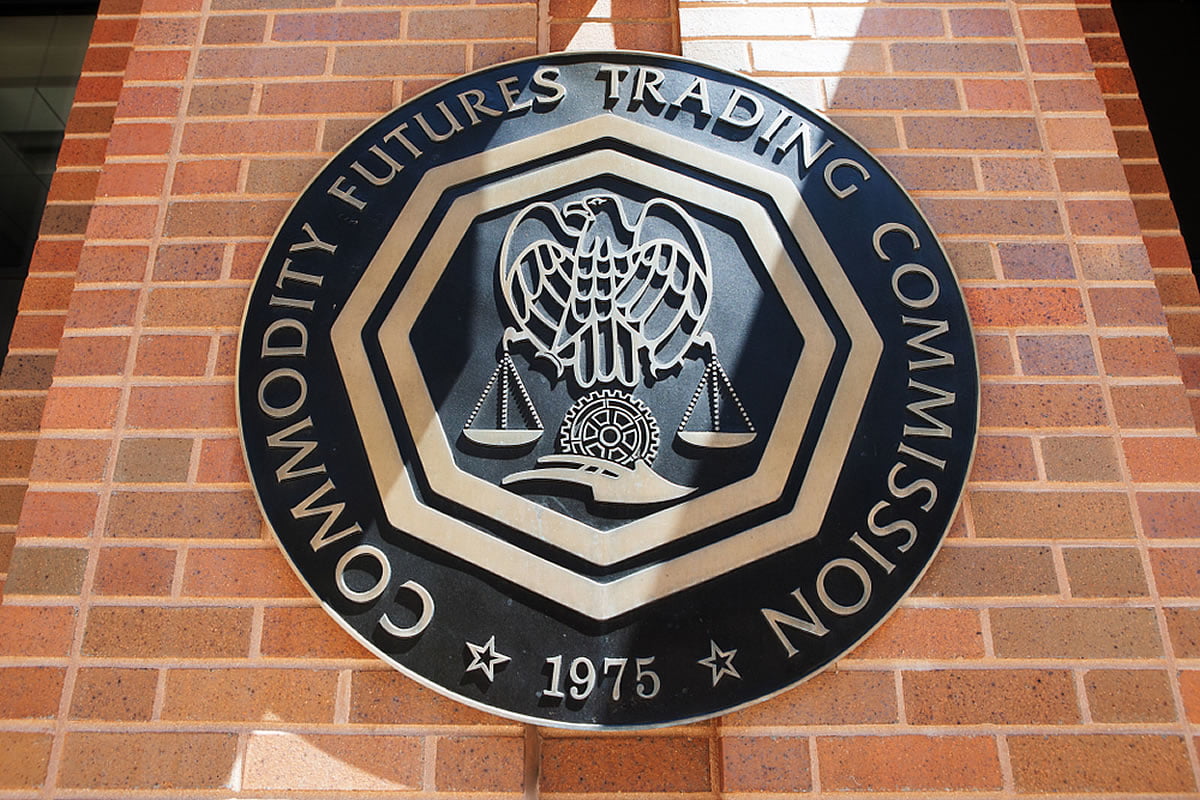
The regulatory battle over prediction markets has moved into another federal courtroom, with the Commodity Futures Trading Commission suing Kentucky officials in a case that could impact how event contracts are handled in the United States.
TL; DR
- The CFTC has reportedly sued Kentucky regulators over enforcement actions related to Kalshi and Polymarket.
- The agency argues that federally regulated event contracts should not be controlled by state gambling laws.
- The case adds to the growing legal battle over whether prediction markets are financial products, gambling products or something in between.
Federal supervision versus state gambling regulations
The CFTC’s lawsuit against Kentucky is part of a broader effort to establish federal authority over event contracting markets. These platforms allow users to trade contracts tied to real-world outcomes, from elections and economic data to sporting and cultural events. The legal question is whether these contracts should be treated primarily as federally regulated derivatives or as gambling products subject to state-by-state restrictions.
That distinction is not academic. If state gambling regulators are able to block or restrict prediction markets, platforms across the country could face a fragmented compliance map. If federal oversight of derivatives prevails, companies like Kalshi and Polymarket could face a clearer national framework, albeit likely with stricter federal oversight.
Why crypto markets are important
Prediction markets have become increasingly relevant to crypto because they sit at the intersection of trading, speculation, information markets, stablecoin rails and retail participation. Polymarket in particular is being closely watched by crypto users for its on-chain history and the way it turns public narratives into tradable markets.
For the broader digital assets industry, the case also fits a familiar pattern: new market structures are emerging faster than the regulatory categories designed to govern them. The same tension has shaped debates around tokens, staking, stablecoins, DeFi, and now event contracts.
A bigger market structure battle
The Kentucky case may not resolve the entire issue, but it increases the pressure to define the boundaries between betting and financial trading. If the CFTC wins, it could strengthen the argument that event contracts are subject to federal market regulation. If Kentucky succeeds, other states could be encouraged to take similar action.
For traders and investors, the immediate market impact may be limited. The longer-term importance is greater: prediction markets are becoming a serious financial category, and regulatory outcomes will help decide how big that category can become.
Market context
There is also a political dimension. Prediction markets can touch on sensitive topics, including elections, public policy and sports-related outcomes. That makes them more controversial than many other trading products, even when platforms claim the contracts are federally regulated financial instruments.
The outcome could influence how aggressively platforms design new markets. A clear federal path could encourage faster product launches, while a state-by-state battle could force platforms to limit their lists or geofence users more aggressively.
This coverage is based on information from federal court filings and reporting on the Kentucky case.
This article was written by the News Desk and edited by Samuel Rae.