
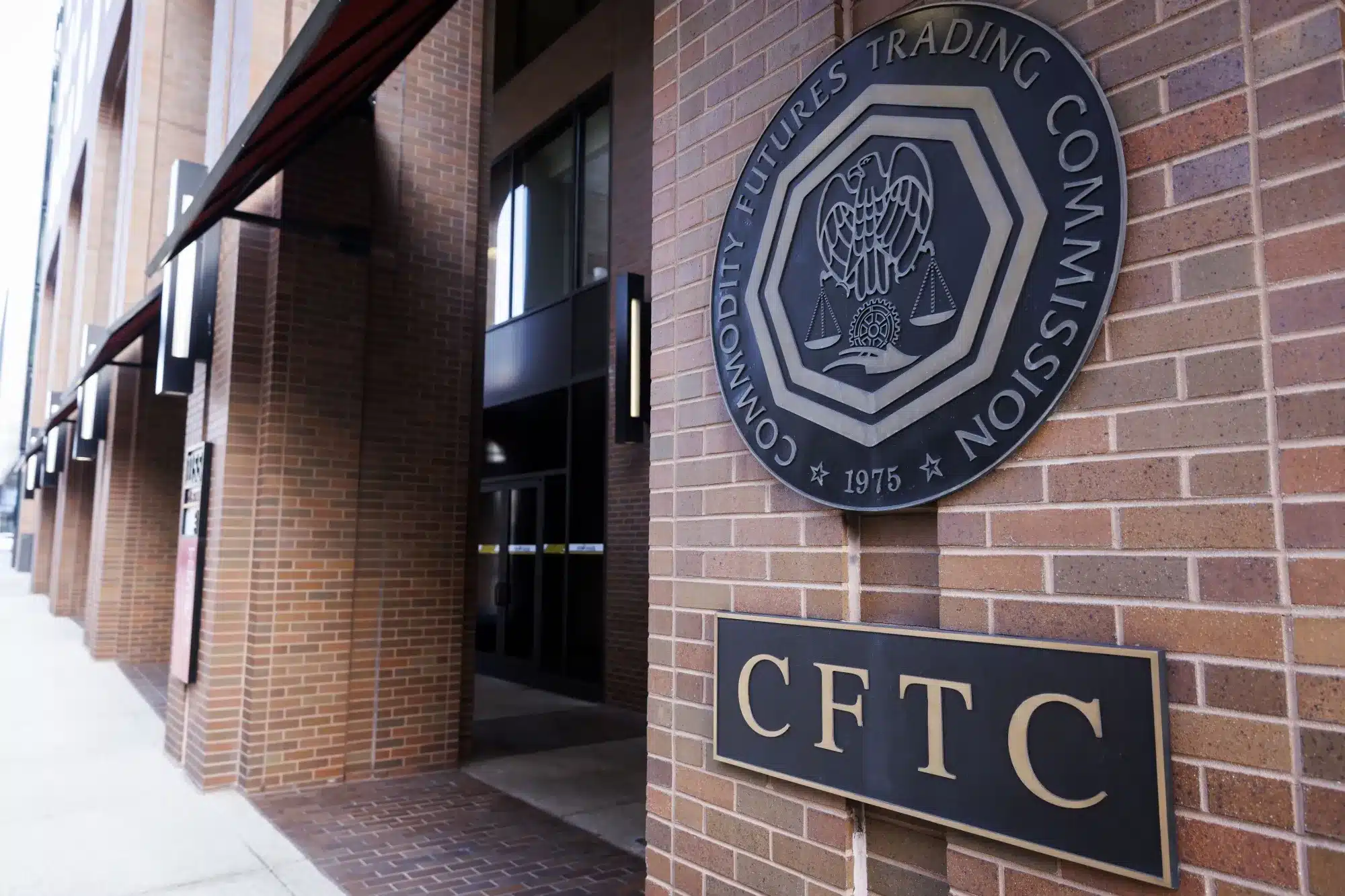
The U.S. Commodity Futures Trading Commission (CFTC) has taken a significant step towards potential federal regulations for the crypto market by submitting a new regulatory action to the White House for review. This action, identified as RIN 3038-AF80, titled “Regulation Crypto Asset Transactions and Regulation Crypto Asset Markets,” is currently at the prerule stage, indicating that a formal proposed rule for public comment has not yet been submitted.
The filing, received by the Office of Information and Regulatory Affairs on September 17, 2026, does not specify the exact crypto assets, transactions, or trading platforms that the CFTC intends to regulate. As a result, there are no new compliance obligations established by this filing alone.
This regulatory move comes shortly after the Senate failed to advance the CLARITY Act, which aimed to provide a statutory framework for the crypto market and enhance the CFTC’s oversight of digital commodities. Despite this setback, CFTC Chairman Michael Selig reiterated the agency’s commitment to working on crypto regulation using its existing authority.
The CFTC’s regulatory action is part of a broader effort to harmonize regulations with the Securities and Exchange Commission (SEC) regarding crypto assets and emerging market structures. Both agencies have been working to clarify jurisdictional boundaries and develop a comprehensive regulatory framework for the crypto market.
Moving forward, the White House Office of Information and Regulatory Affairs will review the CFTC’s action under Executive Order 12866. This review process allows for further examination of the regulatory action before it progresses through the rulemaking process. The next key development will be the release of additional documents from the CFTC detailing the specific markets and activities they intend to address.
In conclusion, the CFTC’s regulatory action marks a significant milestone in the federal oversight of the crypto market, following the recent legislative setbacks. As the regulatory process unfolds, stakeholders in the crypto space should stay informed and be prepared to adapt to potential changes in compliance requirements.