
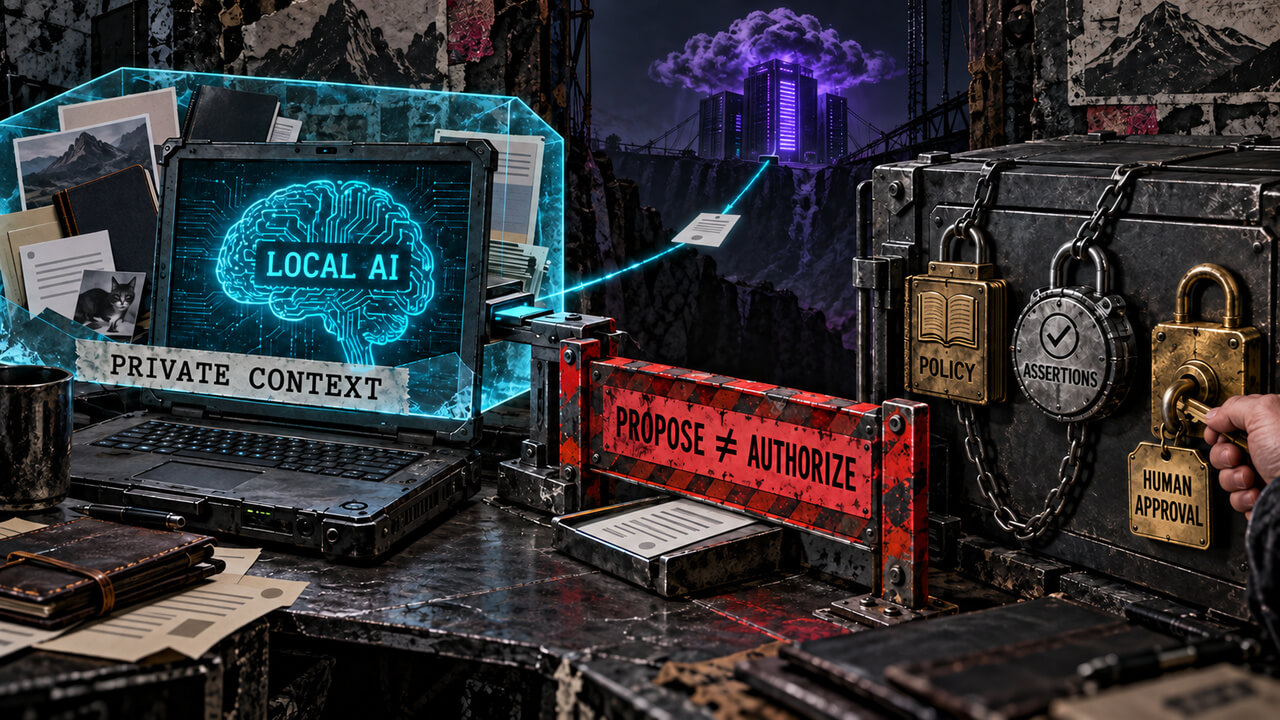
Ethereum co-founder Vitalik Buterin recently discussed the advancements in laptop AI technology, highlighting the potential practical turning point it is approaching. While local models have made significant progress, especially with the introduction of Qwen 3.8 Flash and improvements in llama.cpp, there are still challenges in handing over control of crypto assets to AI through wallet software.
Vitalik mentioned in a post on September 17 that his Strix Halo laptop, equipped with Qwen 3.8 Flash, is now capable of handling a “large share” of tasks. This indicates a significant improvement from his previous assessment in April, where laptop models were limited to specific bounded tasks and programming work. Now, local models can coordinate requests to stronger remote systems while maintaining the user’s personal context.
The benchmark image shared in the post demonstrated the input-processing rates and output generation of the local models, showing impressive figures ranging from 109.82 to 373.22 tokens per second for input processing and 18.42 to 33.37 tokens per second for output generation. While this showcases the responsiveness of high-end laptops, critical factors like model judgment, resistance to malicious instructions, and transaction authorization remain unanswered.
The release of Qwen 3.8 Flash-Next by Alibaba’s Qwen team signifies a significant advancement in AI technology. With 125 billion parameters in the main model and additional parameters for text and vision inference, the model offers improved efficiency and capability. However, the need for strong controls and separate authorization for financial transactions is still paramount.
While local inference can enhance privacy, the power to move funds should be regulated by enforceable controls. The Ethereum ecosystem is exploring on-device solutions like the Steward wallet, which features a local macOS smart-account wallet with an AI assistant. However, issues like production deployment, audit status, and transaction authority need further clarification.
Wallet trust relies on rules that the model cannot rewrite. Proposed mechanisms like EIP-7906, which introduces post-transaction assertion frames, can help ensure transaction security by inspecting final state differences. This, combined with deterministic permissions, human confirmation, and assertion checks, forms a robust framework for wallet security.
In conclusion, while laptop AI technology has made significant strides, the ultimate authority over crypto assets should remain with enforceable controls and human oversight. Trust in wallet transactions depends on a multi-layered approach that combines AI capabilities with strict rules and user authorization. As the technology continues to evolve, ensuring the security and integrity of crypto assets will be crucial.