

Following a strong August rally that saw Spot Bitcoin [BTC] ETFs attract $3.52 billion in inflows, the trend seems to be shifting in September. From 8th to 11th September, BTC ETFs experienced outflows totaling $462.73 million.
The week began with a negative start, with a combined net outflow of $46.6 million. This was primarily driven by Fidelity’s $17.1 million, Invesco’s $4.7 million, and a significant $65.5 million outflow from Grayscale GBTC.
Bitcoin ETFs Weekly Flow Analysis
On 9th September, selling pressure intensified with BlackRock witnessing a $19.5 million outflow, ARKB losing $78.0 million, and Grayscale GBTC experiencing another $27.2 million outflow, resulting in total net outflows of $120.2 million.
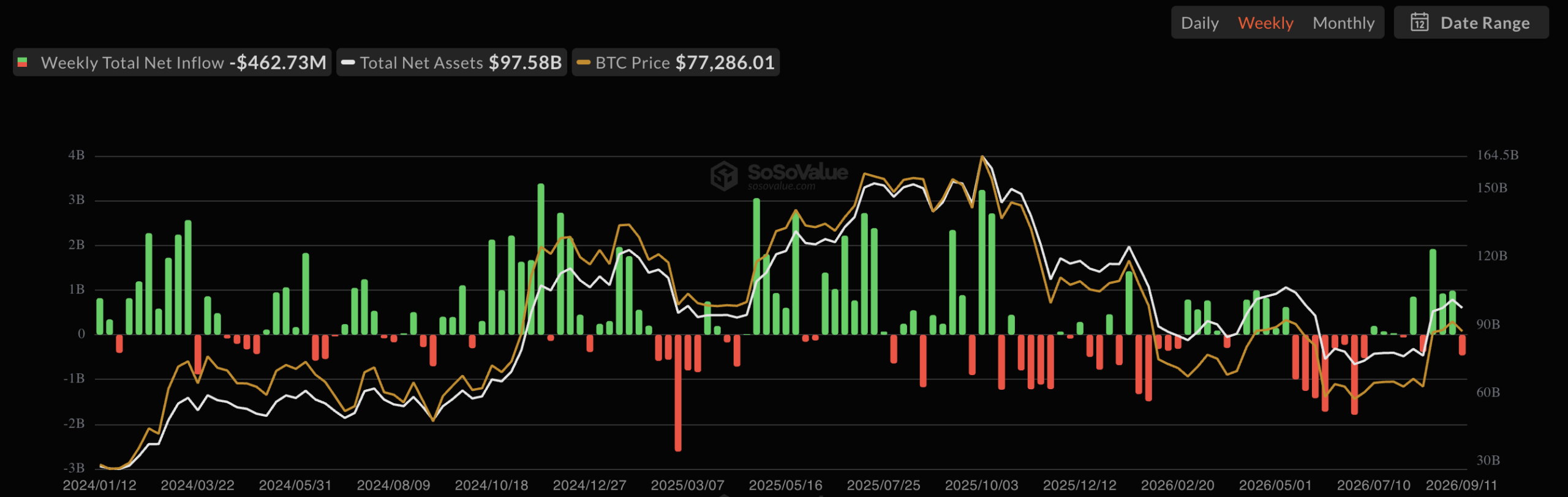
The situation worsened on 10th September, marking the worst day of the week with a net outflow of $282.7 million. However, the outflows eased on 11th September, totaling just $13.2 million.
Over these four days, ETFs collectively saw approximately $462.7 million in cumulative net outflows, with ARKB and Grayscale GBTC being the primary sources of selling pressure.
This coincided with a decline in Bitcoin’s price from around $79K to $77,324.76 at the time of writing, reflecting a 2.9% drop over the past week.
Ethereum ETFs Take a Different Path
While Spot Ethereum [ETH] ETFs typically mirror BTC ETFs’ movements, there was a divergence this time. On 8th September, there was a relatively weak activity, with a total net outflow of $24.3 million.
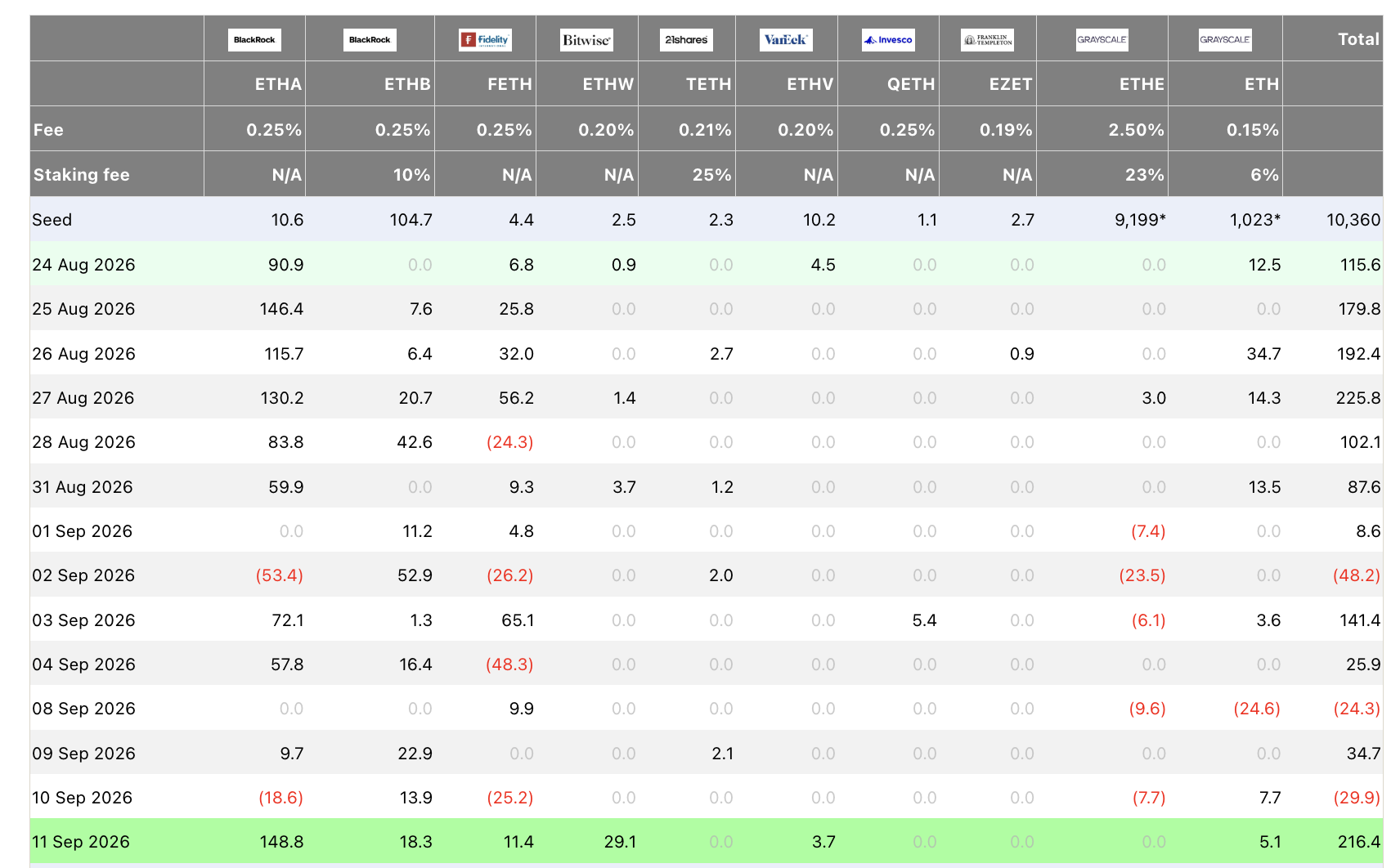
On 9th September, there was a notable shift, with ETH ETFs recording a total net inflow of $34.7 million. However, selling pressure resurfaced on 10th September.
The most significant change occurred on 11th September when Ethereum ETFs saw a substantial $216.4 million net inflow, the highest positive daily total of the week.
BlackRock ETHA led the way with a significant $148.8 million inflow, followed by BlackRock ETHB with $18.3 million.
Mixed Patterns in Other Altcoins
In addition to Bitcoin and Ethereum, other altcoins exhibited varying flow patterns. The Solana [SOL] ETF saw $10.30 million in inflows over the past week, driven primarily by Bitwise’s BSOL.
Conversely, the XRP ETF recorded no flows, while Hyperliquid [HYPE] ETFs experienced $26.42 million in net outflows during the same period.
Bitcoin Maintains Strength
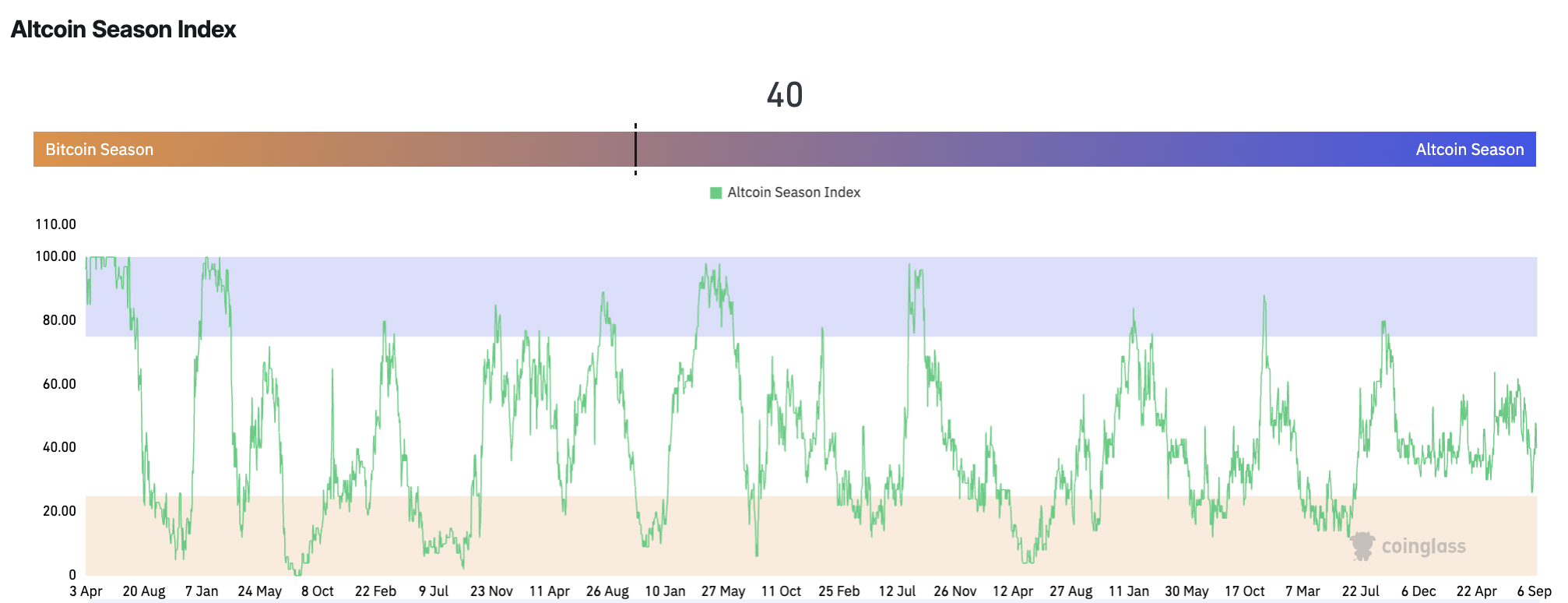
Despite the mixed flow patterns in altcoins, Bitcoin remains dominant, with an altcoin index of 40 indicating its continued supremacy.
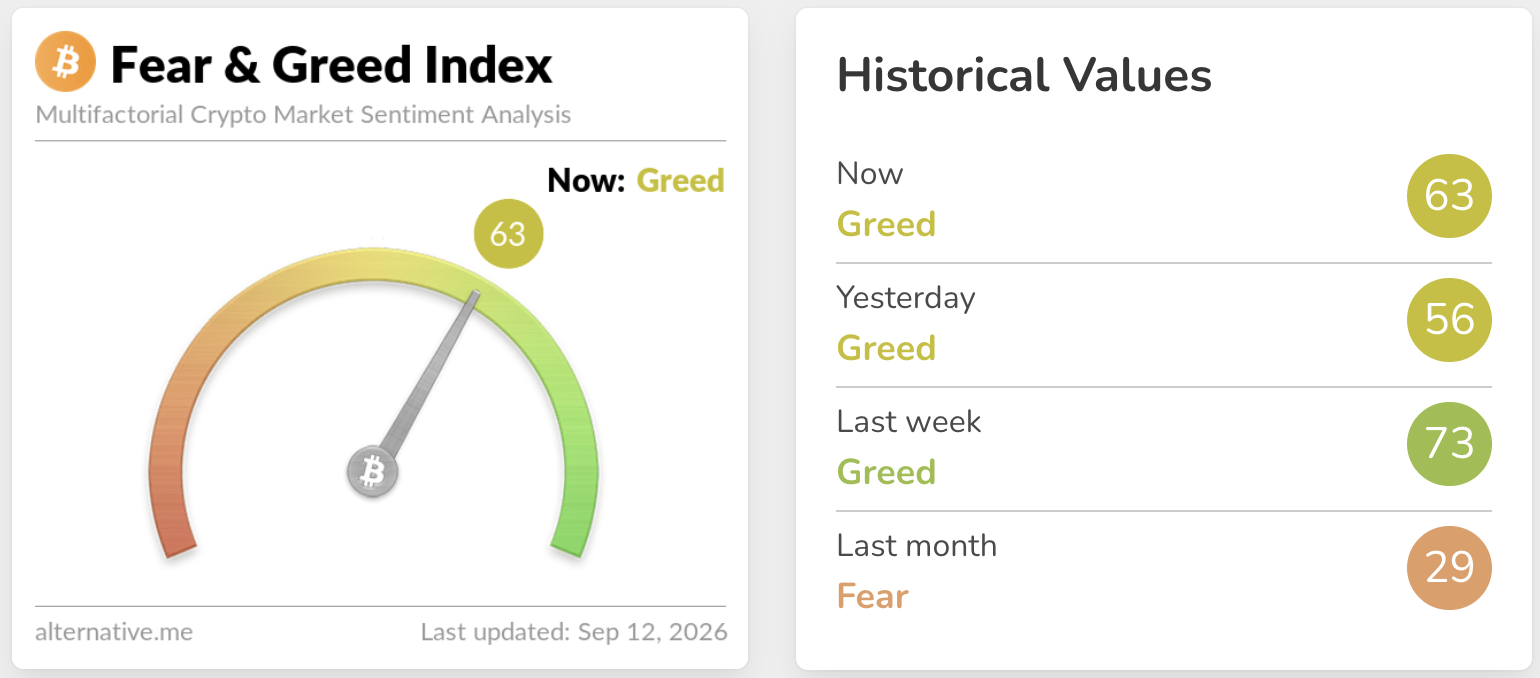
Furthermore, the Crypto Fear and Greed Index currently at 63 in the ‘Greed’ zone indicates bullish investor sentiment, suggesting that the current slowdown may be temporary.
The strong inflows seen in the first week of September, driven by changing macroeconomic factors and U.S. monetary policy expectations, further support the notion of a temporary slowdown.
In Conclusion
- Spot Bitcoin ETFs witnessed weekly outflows of $462.73 million amidst a price decline.
- Altcoin ETFs displayed a mix of inflows and outflows during the same period.
The ocean is a vast and mysterious world that covers over 70% of the Earth’s surface. It is home to a wide variety of marine life, from tiny plankton to massive whales. The ocean plays a crucial role in regulating the Earth’s climate, providing food and resources to millions of people, and supporting a diverse ecosystem.
One of the most fascinating aspects of the ocean is its incredible biodiversity. Scientists estimate that there are over one million species of plants and animals living in the ocean, with many more yet to be discovered. From colorful coral reefs teeming with fish to the icy depths of the polar seas, the ocean is a rich tapestry of life.
The ocean also plays a vital role in regulating the Earth’s climate. It absorbs heat from the sun, helping to moderate temperatures and prevent extreme weather events. The ocean also acts as a giant carbon sink, absorbing carbon dioxide from the atmosphere and helping to mitigate the effects of climate change. In addition, the ocean produces oxygen through photosynthesis, providing the air we breathe and supporting life on land.
The ocean is also a vital source of food and resources for millions of people around the world. Fish and other marine organisms provide protein and nutrients to billions of people, especially in developing countries. The ocean also supports a thriving fishing industry, providing jobs and income to millions of people. In addition, the ocean is a source of minerals, energy, and other resources that are essential for modern society.
However, despite its importance, the ocean is facing a myriad of threats. Pollution, overfishing, climate change, and habitat destruction are putting immense pressure on marine ecosystems. Plastic pollution is a particularly pressing issue, with millions of tons of plastic waste entering the ocean every year, harming marine life and ecosystems.
To protect the ocean and ensure its continued health and productivity, it is essential that we take action to address these threats. This includes reducing plastic pollution, implementing sustainable fishing practices, and reducing carbon emissions to mitigate the effects of climate change. Individuals can also make a difference by reducing their use of single-use plastics, supporting sustainable seafood choices, and participating in beach clean-ups and conservation efforts.
The ocean is a precious resource that sustains life on Earth. By working together to protect and preserve the ocean, we can ensure a healthy and vibrant future for ourselves and for future generations.