
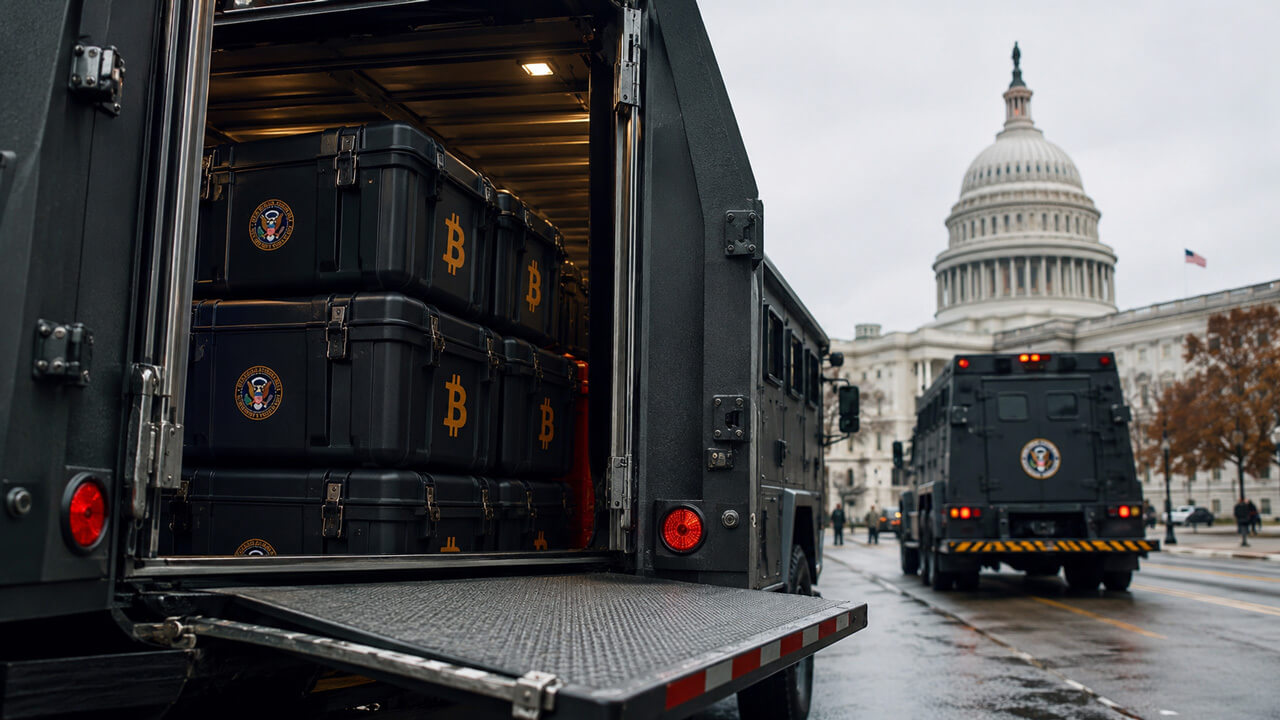


A renewed effort to solidify the United States’ position in the digital asset market emerged Thursday as lawmakers unveiled legislation to establish a formal strategic Bitcoin reserve and consolidate the federal government’s billion-dollar cryptocurrency stockpile.
Led by Representative Nick Begich, the American Reserve Modernization Act (ARMA) of 2026 mandates the creation of a secure Bitcoin reserve within the U.S. Treasury Department, in addition to a separate “Digital Asset Stockpile” for federally managed, non-Bitcoin cryptocurrencies.
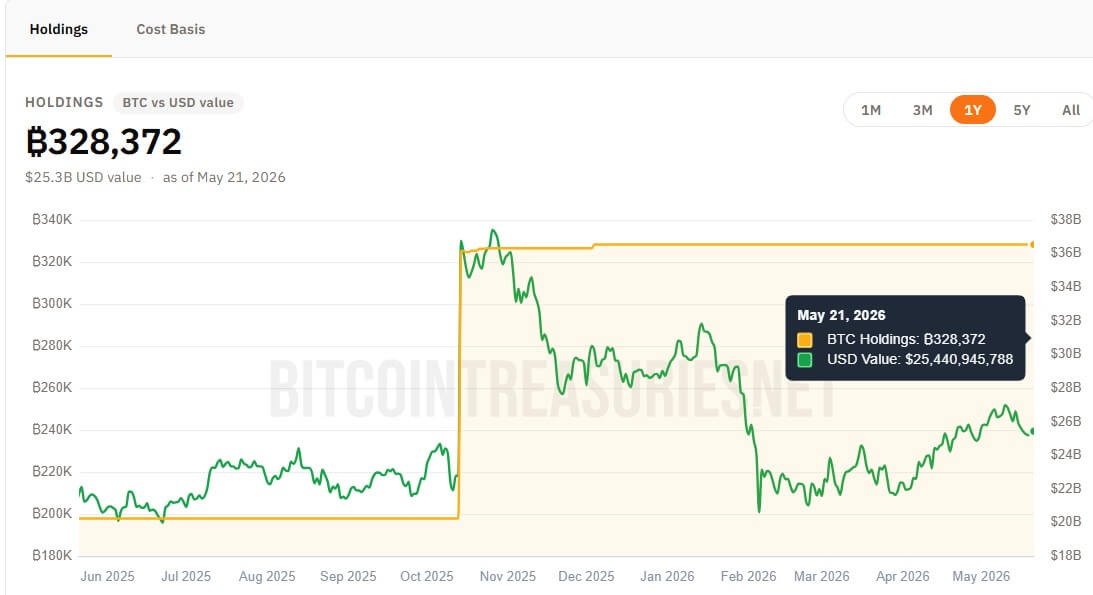
The legislation aims to provide a long-term structure for the government’s existing digital wealth, which has been amassed primarily through seizures by law enforcement. According to data from Bitcoin Treasuries, the US currently owns 328,372 Bitcoin, a stock worth more than $25 billion.
Start said in a statement:
“The American Reserve Modernization Act positions the United States to confidently lead in the digital age while protecting taxpayer interests, strengthening financial sovereignty, and strengthening the principles of transparency and good stewardship.”
The bill has 17 original House cosponsors, including Buddy Carter, Ben Cline of Virginia, Barry Moore of Alabama, Burgess Owens of Utah, Mariannette Miller-Meeks of Iowa, Mike Carey and Michael Rulli of Ohio, Mike Collins of Georgia, Mike Lawler of New York, Riley Moore of West Virginia and Tim Moore of North Carolina.
Aside from the legislation’s strong support, crypto industry leaders are already throwing their support behind the measure.
Matt Cole, CEO of Bitcoin Treasury company Strive, called the proposal “the single most important crypto legislation that could come out of DC” for the long-term health and security of the United States.
ARMA makes a Bitcoin bet with a term of 20 years
If passed, the bill would revolutionize the way Washington handles digital assets. Instead of periodically auctioning seized cryptocurrencies, the Treasury Department would be forced to consolidate custody and oversight across all federal agencies.
Crucially, the legislation requires any Bitcoin held in the strategic reserve to be maintained for at least twenty years, effectively making the US government a long-term ‘hodler’.
To meet the industry’s continued demand for transparency, the bill provides for strict reporting measures. The Treasury Department would be required to publish public “Proof of Reserve” reports quarterly, submit to independent third-party audits, and be subject to direct congressional oversight.
The legislation also mandates research into budget-neutral acquisition strategies. The aim is to evaluate legal methods by which the government can expand its digital reserves without relying on tax increases, budget deficits or increasing the national debt.
Additionally, the bill extends an olive branch to cryptocurrency advocates by explicitly protecting the right to self-custody, affirming that the federal government may not interfere with Americans’ lawful right to own, transfer, or independently safeguard their digital assets.

Increasing pro-Bitcoin momentum in Washington
Begich’s proposal builds on a broader, ongoing effort in Washington to move the US toward a pro-crypto stance.
Last year, Senator Cynthia Lummis proposed the BITCOIN Act, which would require the United States to acquire 1 million Bitcoin in five years, hold the assets for at least 20 years, and distribute the storage to secure locations across the country.
The bill also includes a funding mechanism tied to Federal Reserve gold certificates, a structure that would make the proposal a direct bet on converting part of the federal balance sheet into Bitcoin exposure.
Lummis’ legislation followed President Donald Trump’s executive order to create a strategic Bitcoin reserve.
However, these initiatives have stalled significantly despite the Trump administration’s pro-crypto stance.
Still, the Begich bill aims to build on the recent progress of the Clarity Act, which passed the Senate Banking Committee with bipartisan support. That bill is intended to establish clear rules of the road for the industry and encourage institutional investment.