

EdgeX [EDGE], the native token of the decentralized trading application, has experienced significant price fluctuations, with an overall increase of more than 11% in the last 24 hours.
While the current uptrend appears promising, there are indications that the disparity in capital between long and short positions is not substantial.
Capital Imbalance Absent
The liquidation heatmap analysis reveals limited liquidity levels across EDGE’s price spectrum, creating room for either an upward surge or a downward correction.
Heatmap analysis identifies zones on the chart where potential buy orders (below the price) and sell orders (above the price) are clustered, acting as gravitational forces on the price movement.

The 3-month heatmap illustrates a sparse liquidity cluster throughout the market, lacking a concentrated buying or selling pressure to propel EDGE’s price.
Furthermore, the marginal difference between long and short liquidated capital indicates no clear dominance of either side in the market. The total liquidations in the past day amounted to approximately $47,580, with short and long liquidations evenly split at $23,790 each.
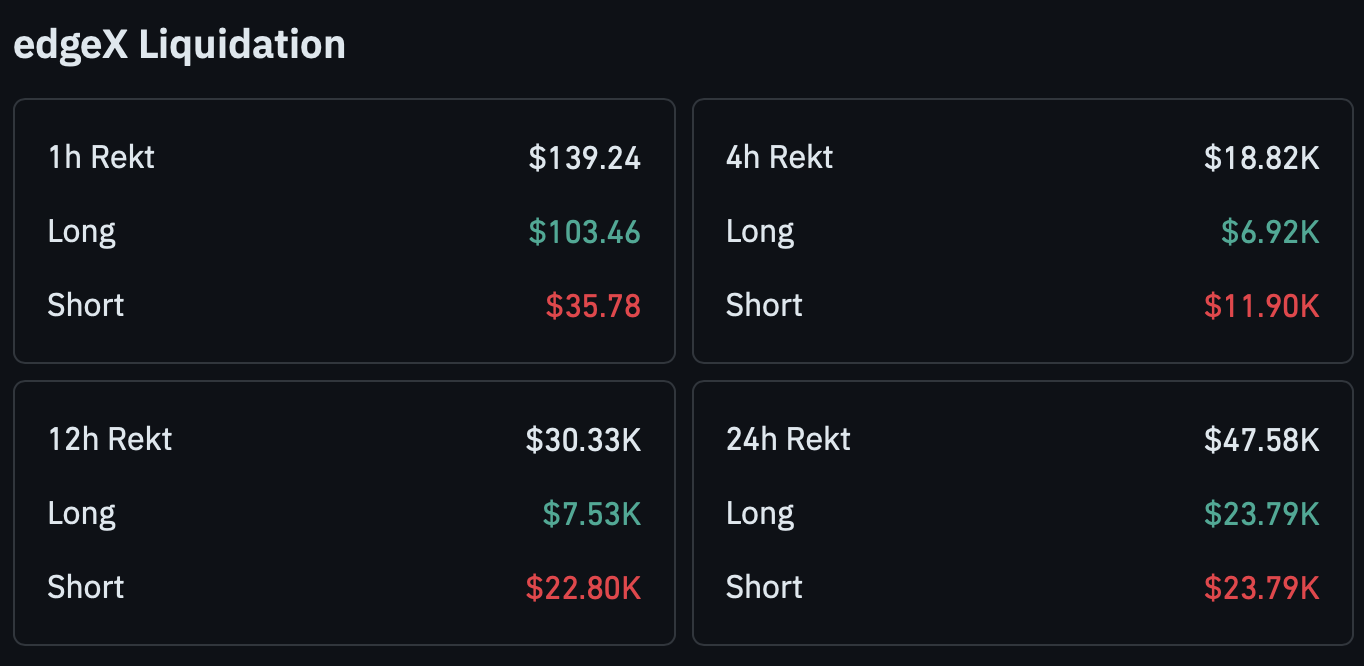
The narrow margin suggests a lack of definitive market direction, as short positions would have incurred significantly greater losses if the trend favored a bullish trajectory.
Continued Weak Capital Flow
Evidence of market weakness persists, particularly in relation to capital outflows from the perpetual market and subdued demand in the Spot market.
The Perpetual Market Netflow data indicates a consistent trend of net capital outflow, suggesting profit-taking or withdrawal of funds by traders.
Over the past 7 days, the netflow has totaled -$2.27 million, with $61.85 million worth of EDGE tokens being sold in the market.
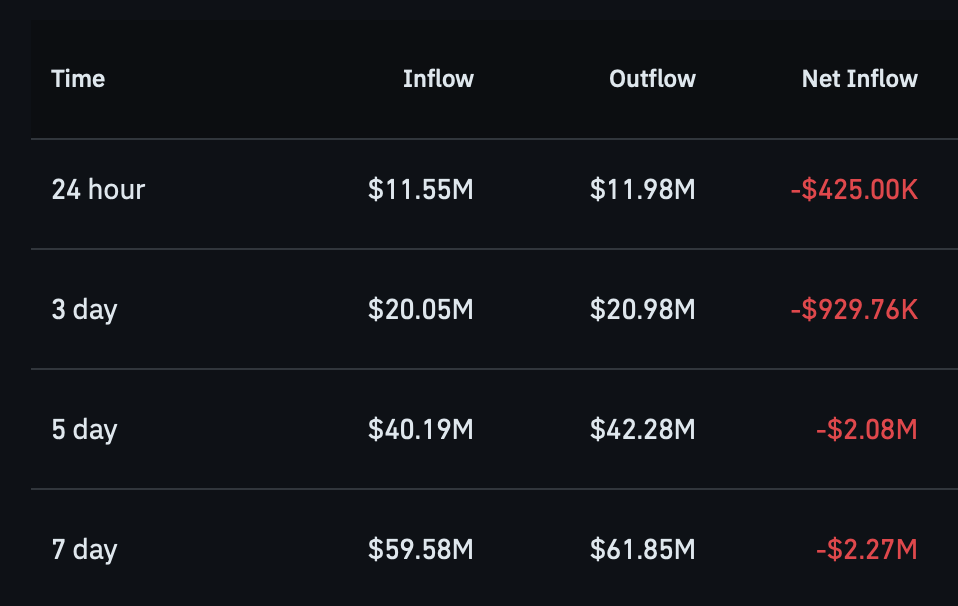
A similar trend is observed in the Spot market, with minimal demand. In the last 24 hours, the Spot Netflow recorded a negative value of -$51,000, following purchases of $1.35 million worth of EDGE tokens.
The ongoing lack of demand indicates that market participants are not strongly optimistic about the price outlook.
Market Indecision Prevails
The market sentiment remains neutral, reflecting a lack of consensus among investors regarding the fair valuation of the price.
This ambiguity, especially during a price rally, does not align with a strong bullish trend.
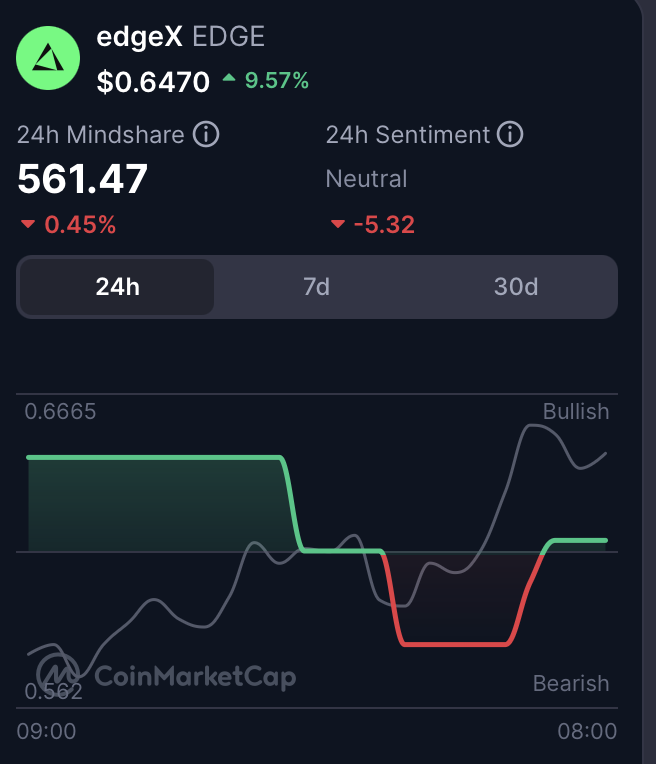
The market remains undecided, with liquidated capital evenly balanced and no clear directional bias. Investors are advised to exercise caution until a definitive trend emerges.
Concluding Remarks
-
Despite a double-digit gain in the past day, EDGE’s market is characterized by a balance between long and short liquidations.
-
Ongoing capital outflows and subdued Spot market demand contribute to the market’s indecisiveness, overshadowing EDGE’s recent price surge.
The COVID-19 pandemic has reshaped the way we live, work, and interact with one another. With lockdowns, social distancing measures, and travel restrictions in place, many aspects of our daily lives have been disrupted. One of the most significant changes has been the shift towards remote work.
Remote work, also known as telecommuting or telework, involves working from a location outside of the traditional office setting. This could mean working from home, a co-working space, or any other location with an internet connection. While remote work has been around for years, the pandemic has accelerated its adoption on a global scale.
There are several benefits to remote work, both for employees and employers. For employees, remote work offers greater flexibility and work-life balance. Commuting time is eliminated, allowing workers to spend more time with their families, pursue hobbies, or simply relax. Remote work also allows employees to create a personalized work environment that suits their needs, which can lead to increased productivity and job satisfaction.
Employers also benefit from remote work arrangements. With remote work, companies can access a larger talent pool and attract top talent from around the world. Remote work can also lead to cost savings, as companies can reduce overhead expenses associated with maintaining a physical office space. Additionally, remote work can improve employee retention and morale, as employees appreciate the flexibility and autonomy that comes with working remotely.
However, remote work also presents its own challenges. One of the main concerns is the potential for decreased collaboration and communication among team members. Without face-to-face interactions, it can be harder to build relationships, share ideas, and work together effectively. Additionally, remote work can blur the boundaries between work and personal life, leading to burnout and decreased productivity.
As remote work becomes more prevalent, companies are investing in tools and technologies to support remote teams. Video conferencing platforms, project management software, and collaboration tools are essential for keeping remote teams connected and productive. Many companies are also implementing policies and practices to ensure that remote employees feel supported and included in company culture.
While remote work may not be suitable for every job or industry, it is clear that the pandemic has permanently changed the way we work. As we navigate this new normal, it is important for companies to embrace remote work as a viable option and find ways to overcome the challenges that come with it. By prioritizing communication, collaboration, and employee well-being, companies can create a successful remote work culture that benefits both employees and employers alike.