
The real estate sector has long been considered a cornerstone of the modern economy, providing people and businesses with valuable assets and investment opportunities. However, despite its importance, the sector faces numerous challenges, including inefficiency, lack of transparency and cumbersome processes.
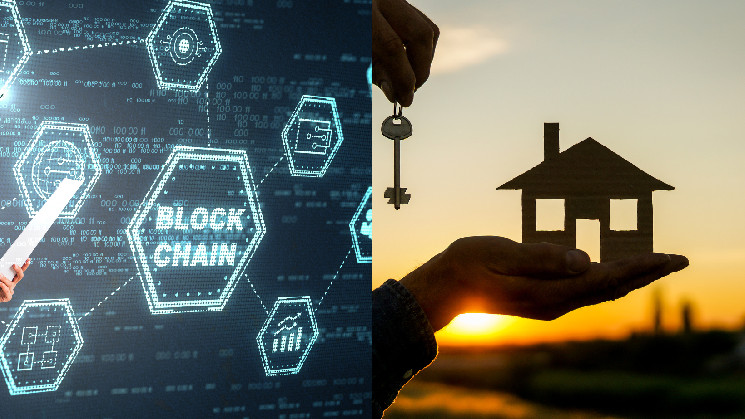
Introducing blockchain technology: a breakthrough innovation that has the potential to revolutionize real estate by addressing these issues and transforming the way transactions are conducted, assets are managed, and data is stored. The technology is a potential game changer in the real estate industry and promises to streamline transactions, improve security and provide unparalleled transparency.
How blockchain works
Blockchain is a distributed, immutable ledger that tracks transactions across many computers or nodes. Since it works on a network of computers, transparency, security and immutability of data are guaranteed. Each transaction or ‘block’ is added to a series of previous transactions, creating a clear and unchangeable record. These are the main features of the technology:
- Decentralization: Blockchain functions on a peer-to-peer network, eliminating the need for intermediaries, unlike conventional systems where a central authority controls data.
- Transparency: All participants in the blockchain network can view and verify transactions, creating a transparent ecosystem.
- Security: Blockchain’s cryptographic algorithms guarantee the confidentiality and integrity of data, making it highly resistant to fraud or manipulation.
- Smart contracts: Blockchain often supports smart contracts with predetermined conditions that can be self-executed. These contracts automate processes, enforce transparency and reduce dependence on intermediaries.
Applications of Blockchain in Real Estate
By adding transparency, security and efficiency to multiple operations, blockchain technology has the potential to revolutionize the real estate industry. Here are some of the top applications of blockchain in real estate:
Property ownership and property management: Blockchain can provide a decentralized and immutable ledger for recording ownership and title information. It reduces the risk of fraud and disagreements by eliminating the need for intermediaries such as title companies. Smart contracts can automate the transfer of property ownership, streamlining the process and reducing paperwork.
Real Estate Tokenization: Blockchain enables the tokenization of real estate assets, enabling fractional ownership and increased liquidity. By dividing properties into tradable digital tokens, investors can buy and sell fractions of properties, opening real estate investment opportunities to a wider range of people. This could also facilitate crowdfunding for real estate projects, allowing investors to contribute financing in exchange for tokens representing their ownership stake.
Streamline real estate transactions: Blockchain can simplify the buying, selling and renting of real estate. Smart contracts can automate tasks such as verification of ownership information, escrow management, and payment processing. This reduces the need for manual intervention, minimizes errors and speeds up transaction times.
Real estate data management: Blockchain can improve real estate data management by creating a transparent and tamper-proof system. Real estate details, rental agreements, rental agreements, building permits and other relevant documents can be stored on the blockchain, ensuring their authenticity and accessibility. This improves due diligence, reduces data duplication and increases data integrity.
Valuation and valuation of real estate: Blockchain technology can enable more accurate and transparent real estate appraisal and valuation processes. Blockchain-based platforms can provide reliable and real-time real estate valuations by using historical data on real estate transactions, market trends and comparable sales. This helps buyers, sellers and lenders make more informed decisions.
History and origin of the property: Blockchain can provide a comprehensive and auditable record of a property’s history, including previous owners, renovations and maintenance records. This can help potential buyers and renters make more informed decisions and increase confidence in the condition and value of the property.
Challenges to overcome
The real estate industry has explored the potential benefits of blockchain technology. However, several factors prevent it from widespread adoption. Some of the key challenges are:
Regulatory and legal hurdles: Real estate transactions are subject to complex legal and regulatory requirements that vary from jurisdiction to jurisdiction. Implementing blockchain technology requires clarity in regulations and legal frameworks that accommodate digital property registrations and smart contracts.
Costs for the transition from traditional systems: Moving from paper or legacy digital systems to blockchain-based solutions can be costly and challenging. Real estate documents often have decades of history, and migrating them to a blockchain system is not a trivial task.
Security Issues: Real estate transactions often involve sensitive personal and financial information, so security is of the utmost importance. In theory, blockchain should be completely secure due to its cryptographic principles, which protect against double-spending and fraud. But in reality, it still poses risks related to hacking, smart contract vulnerabilities, and the possibility of fraudulent activity. These concerns need to be addressed to gain the trust of the real estate industry.
Resistance to change: The real estate sector is known for being traditional and resistant to change. Convincing stakeholders – especially those who benefit financially from today’s cumbersome processes – to adopt new technologies and processes can be slow and challenging.
Lack of expertise: Blockchain technology requires a specialized set of skills in design, implementation and maintenance. Finding professionals with expertise in real estate and blockchain can be difficult and expensive.
The adoption of blockchain technology in the real estate industry is not only hindered by its cost or complexity, but these factors also play a role in its slower adoption. To get the most out of blockchain technology, industry stakeholders must work together to adapt to new regulatory frameworks and ensure the safe and responsible implementation of the technology. In some parts of the world, blockchain is already being embraced and making a difference.
The future is already here
Blockchain technology is no longer just theoretical, but has already been effectively applied in several countries. In the UAE, the government launched the Emirates Blockchain Strategy in 2021 to capitalize on blockchain technology and transform 50% of transactions on it. This has led to less paperwork, cost savings and greater efficiency.
Blockchain is also being embraced in Estonia, where the technology is used to secure medical records and judicial, legislative, security and commercial code systems. This adoption increased the efficiency of public services, improved data integrity and reduced bureaucracy. In Georgia, blockchain technology is used to validate government transactions related to real estate, improving the security and responsiveness of real estate-related services.
By integrating blockchain technology, the real estate industry can leverage the benefits of transparency, security and efficiency to transform the way real estate transactions are conducted. The use of blockchain can attract more users, increase trust, streamline processes and position real estate agents as forward-thinking and innovative players in the real estate advisory sector. As technology continues to develop and regulatory frameworks evolve, the future of blockchain in real estate looks promising, paving the way for a more efficient, inclusive and trusted industry.