
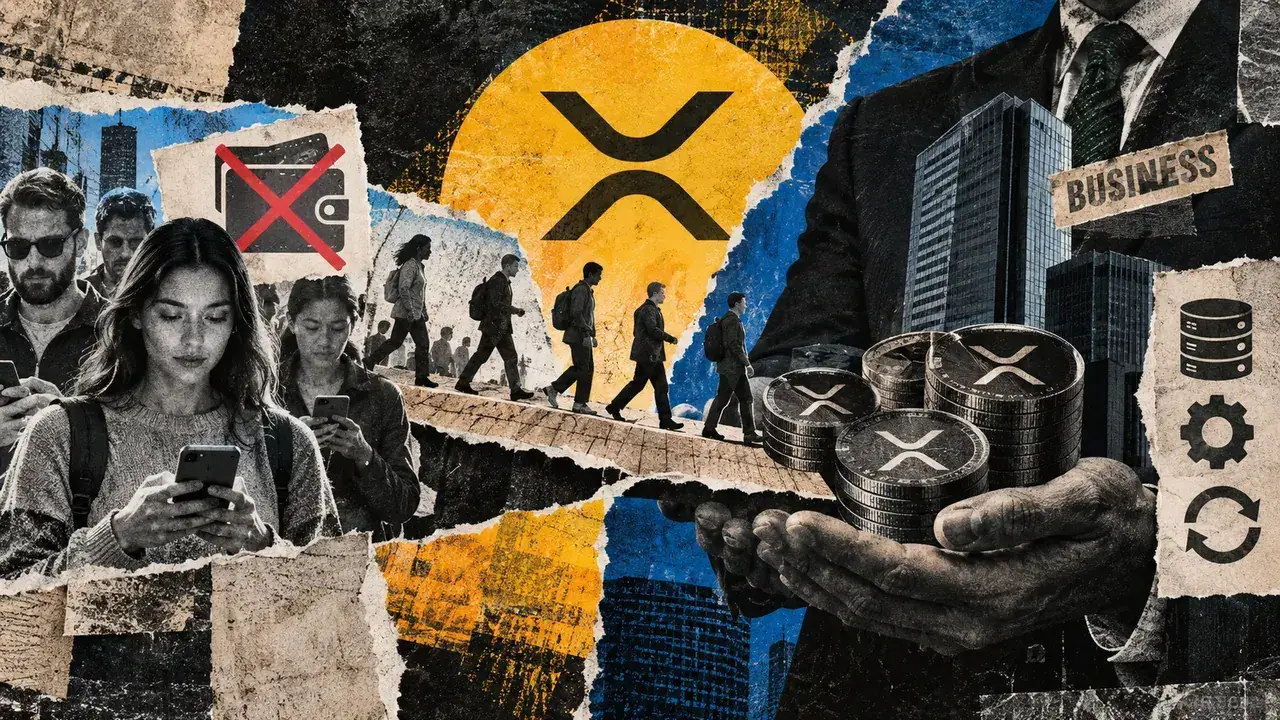
A proposed upgrade to the XRP Ledger (XRPL) could revolutionize the way banks and fintech companies interact with the XRP token. The Sponsor amendment, based on the XLS-68 Sponsored Fees and Reserves proposal, aims to allow companies to cover account reserves and transaction fees for XRPL users, eliminating the need for customers to hold XRP themselves.
This new feature would enable sponsors such as banks, issuers, or platforms to absorb the costs associated with XRP transactions on behalf of their users. This means that consumer-facing applications and institutional platforms can offer seamless interaction with tokenized assets, payments, and other applications without requiring customers to manage XRP.
Jazzi Cooper, Ripple’s head of product, highlighted that the Sponsorship model shifts the financial burden to the sponsor’s balance sheet. While account reserves still need to be covered in XRP, transaction fees will be paid in XRP and destroyed upon settlement. This arrangement allows businesses to hold XRP on behalf of their customers who may not own any XRP themselves.
However, the proposal is still in its early stages, with only six validators supporting it at the moment. Activation of the Sponsor amendment would require the support of at least 29 validators, with no scheduled activation date as of now.
The Sponsorship model could potentially transform banks into the XRP holders behind their customers. By assuming the reserve requirements for their users’ accounts, banks could manage the capital requirements internally while offering customers access to tokenized assets without the need to acquire XRP themselves.
This new structure introduces a capital-management challenge for sponsors, as the XRP reserve remains committed even when the sponsored account is inactive. Sponsors would need to consider factors such as customer churn, average reserve requirements, and transaction fee consumption when evaluating the cost of sponsorship.
The success of the Sponsor amendment would depend on the level of institutional adoption and the extent to which businesses are willing to support their customers by holding XRP on their behalf. Ultimately, the decision to implement the Sponsorship model would require careful consideration of the benefits and risks associated with assuming the token on their balance sheet.
In conclusion, the proposed XRPL Sponsorship model has the potential to streamline the use of XRP for businesses and customers alike. By shifting the responsibility of holding XRP to sponsors, the model could pave the way for a new era of seamless and efficient transactions on the XRP Ledger.