
Bitcoin rose above $62,000 after the latest US inflation report gave traders enough relief to take a step back from a deeper test of the $60,000 level.
The move followed several days of pressure in crypto markets, where investors had braced for the possibility that higher inflation would revive interest rate concerns and push down risky assets.
However, the report gave Bitcoin room to recover, shifting the immediate question from whether the market would collapse to whether the post-CPI rebound can sustain.
Inflation is close enough to expectations
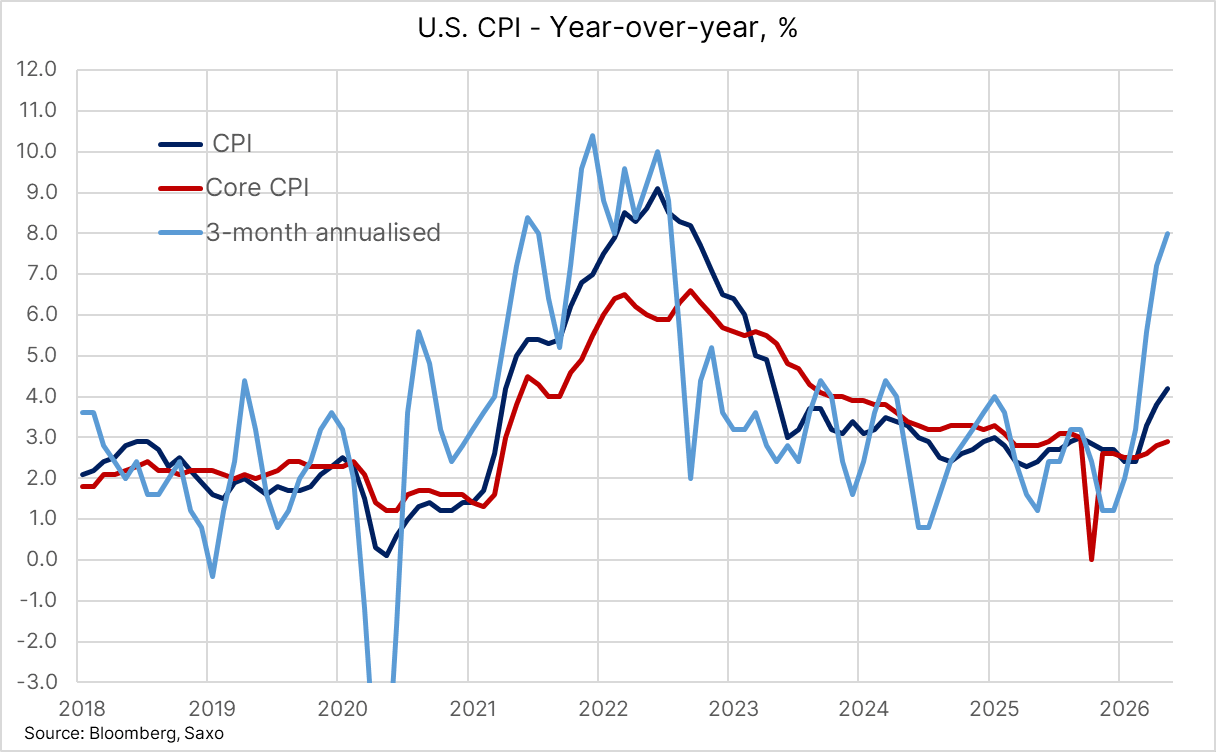
The American consumer price index rose 4.2% in May from a year earlier, matching consensus expectations and marking the fastest pace in three years. The core CPI, excluding food and energy, rose 2.9%, slightly above April’s 2.8%.
Ole Hansen, head of commodity strategy at Saxo Bank, said the report was largely in line with expectations and the figures supported the market’s focus on persistent inflation risks associated with higher energy prices and the prospect of longer interest rates.
That distinction shaped BTC’s market response. Investors were watching to see whether the price rise was mainly the result of higher gasoline costs and tensions in the Middle East, or evidence that inflation was becoming increasingly entrenched in the services sector, rents and supply chains.
A broader acceleration would have been harder for traders to reject. It would have strengthened the argument that the Fed may have to keep policy tight for longer or consider another rate hike if inflation expectations rise.
While the report didn’t exactly clear the markets, it also didn’t deliver the kind of shock that would have made a break below $60,000 more likely.
Bitcoin is recovering from a fragile setup
Bitcoin’s reaction was sharper as the asset entered the CPI release from a weakened position.
The largest cryptocurrency had been under pressure for weeks, at research agency 10x Research noticing that Bitcoin dropped $21,000 in 30 days. The decline left traders focused on whether the $60,000 area would hold as support or become the next level to fail.
That weakness reflected a mix of macro and crypto-specific pressures.
Spot Bitcoin exchange-traded funds saw demand cool after helping support earlier gains. Rising yields also made non-yielding assets less attractive, while investors reduced exposure to volatile trades ahead of the inflation report.
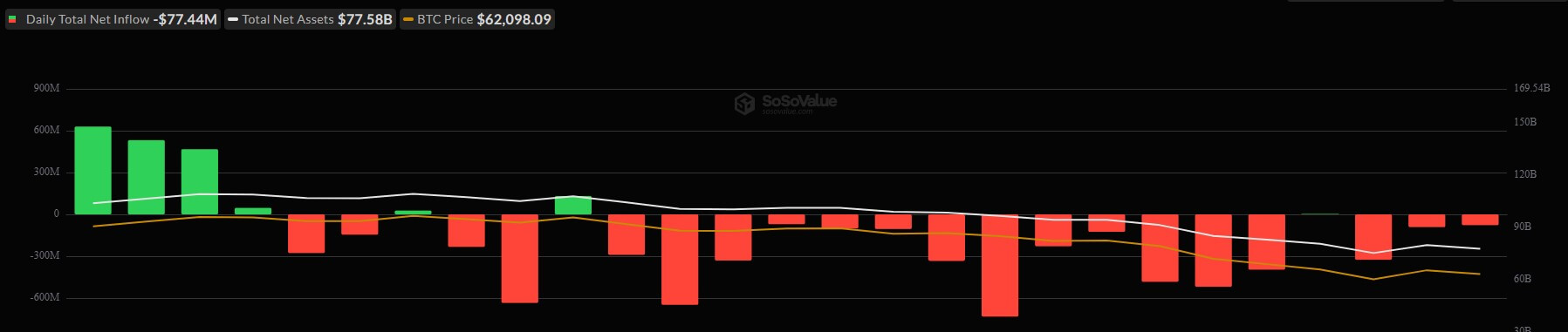
At the same time, market leverage was also reduced. CryptoSlate previously reported that a severe liquidation wave recently wiped out more than $10 billion of bullish long positions in the market. That forced selling reduced the speculative depth that had helped cushion earlier declines.
The options market also showed caution ahead of the CPI release. BIT official said put options had a significant implied volatility premium over call options, a sign that traders were paying more to protect against further downside risks.
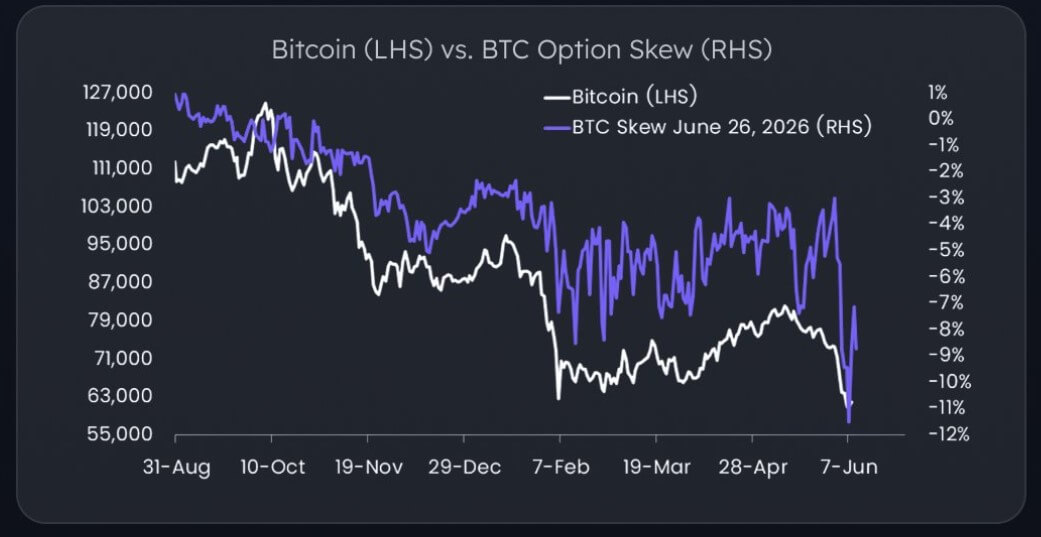
That defensive setup helped fuel the recovery when the report failed to produce a major upside surprise. Traders who had prepared for a deeper sell-off had less reason to continue pressing the downtrend after Bitcoin defended $60,000.
Still, the move above $62,000 does not in itself represent a complete trend reversal. Bitcoin remains below levels reached earlier this month, and the market’s recovery depends on whether buyers return after a short-term relief trade.
Fed risk remains
The CPI report gave the crypto markets room to breathe, but did not resolve the interest rate debate.
Headline inflation at 4.2% remains more than double the Fed’s target. Even though much of the increase comes from the energy sector, policymakers may be cautious about easing policy as long as price growth remains high.
That allows investors to focus on the composition of future inflation data. If oil prices fall and core inflation remains under control, markets may continue to view the May rise as a temporary supply shock. If higher energy costs feed through to service, wage or retail prices, expectations for interest rate increases could quickly return.
The fixed income market had already prepared for that risk before the CPI report. U.S. Treasury yields had risen as traders again wondered whether the Fed could cut rates at all in the near term.
That background remains important for Bitcoin as the asset is increasingly traded as part of the broader risk complex. When interest rates rise and liquidity tightens, crypto often struggles. When price pressure subsides, Bitcoin can quickly recover.
The post-CPI spike above $62,000 fits that pattern, as the report simply reduced the immediate risk that inflation would force traders to take a more hawkish stance.
The next test is heading towards $64,000
Bitcoin’s immediate task is to demonstrate that the move above $62,000 can extend beyond a CPI rebound.
Before the report, analysts had pointed to oversold technical conditions as a reason why Bitcoin could rebound if inflation turns out to be softer than feared. The recovery suggests some traders were positioned too defensively going into the release.
The next level to watch is around $64,000, where previous resistance could test whether buyers are willing to chase the move higher. A push toward that area could indicate the market is regaining confidence after defending $60,000.
Failure to maintain post-CPI gains would send a different signal. This would show that the rally was mainly a response to a less bad inflation report than evidence of renewed demand.
For a more sustainable recovery, Bitcoin will likely need support from several areas at once. ETF flows should stabilize, options positioning should become less defensive and broader risk appetite for equities and credit should improve.
The CPI report gave Bitcoin an immediate win. It kept the $60,000 level intact and forced traders to reassess the downside risk that had built up before the release.