
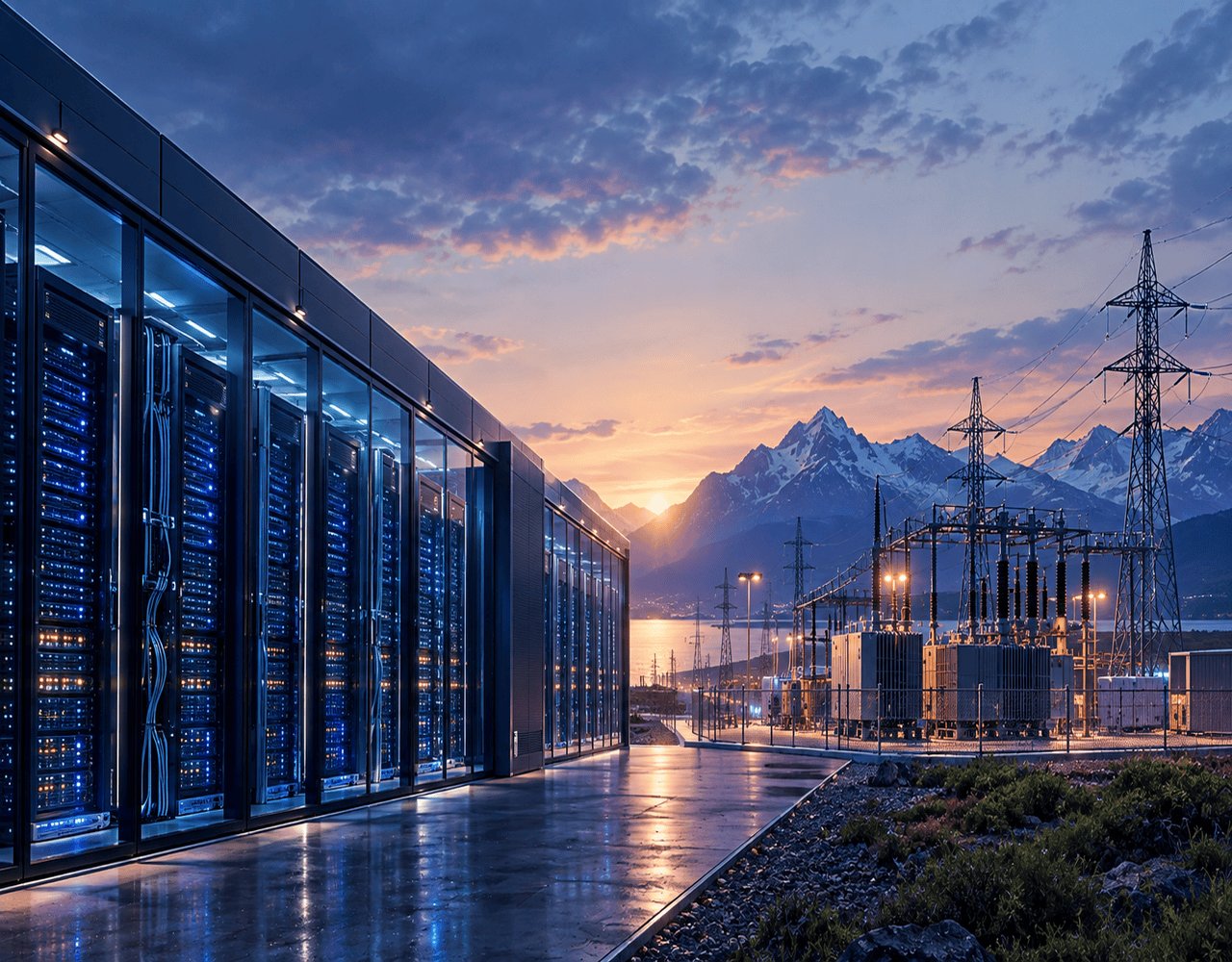
Clichmont CEO Alexis Cathalifaud recently discussed the company’s unique approach to artificial intelligence infrastructure. In a sector where companies are competing for powerful GPUs, Clichmont is focusing on owning and controlling the physical infrastructure needed to support AI hardware. This includes considerations such as electricity, data-center capacity, cooling, and connectivity, which are becoming increasingly important in the compute landscape.
Instead of solely relying on rented GPU capacity, Clichmont believes that owning the infrastructure provides more strategic control over the economics of compute. By owning and controlling the data-center layer, the company can make decisions on GPU deployment, upgrades, power and cooling engineering, and capacity commercialization. This approach allows Clichmont to evolve its infrastructure across multiple GPU generations, making it a more durable asset compared to simply renting GPUs.
One key distinction is that while GPUs depreciate quickly, power-ready data-center capacity remains valuable over time. The ability to energize thousands of GPUs at scale becomes a critical resource in a competitive market. Clichmont’s focus on securing reliable electricity, cooling, and network infrastructure sets it apart from companies that are solely focused on renting GPUs.
In terms of site selection, Clichmont prioritizes locations with strong energy fundamentals. Factors such as power availability, cost, reliability, and scalability play a crucial role in determining where data centers are built. Climate, fiber connectivity, land, permitting, and the ability to expand are also key considerations in selecting a site. Clichmont’s sites in Alicante and Bodo, Norway, offer different strengths based on their energy profiles and infrastructure capabilities.
One unique aspect of Clichmont is the integration of a token, $CLAI, into its ecosystem. The token is designed to support on-chain participation, treasury activity, and community governance. While some may be skeptical of combining infrastructure with a token, Clichmont aims to demonstrate the real utility of $CLAI within its ecosystem beyond just financing.
Scaling physical infrastructure presents challenges that software-focused companies may underestimate. Unlike software, physical infrastructure doesn’t scale as quickly, and mistakes can be costly and difficult to reverse. Timing is crucial in building data centers, as every additional megawatt has dependencies on power, construction, and hardware. Clichmont emphasizes the importance of sequencing capital, power, and construction to align with customer demand.
The biggest risk in Clichmont’s build-it-yourself model is the capital intensity combined with timing. Unlike a capital-light rental model, owning infrastructure requires committing significant capital upfront based on future assumptions. However, Clichmont believes that by controlling strategic infrastructure and remaining flexible around technology, it can create a valuable long-term advantage in the AI infrastructure market.
In the next three years, Clichmont aims to be recognized as one of the most efficient independent AI infrastructure operators in Europe. The company’s focus on disciplined site selection, high-density GPU capacity, and flexibility to serve various computing needs sets it apart from larger competitors. By owning and operating compute-ready infrastructure in strategic markets, Clichmont aims to establish itself as a key player in the evolving AI infrastructure landscape.
In conclusion, Clichmont’s strategy of owning and controlling AI infrastructure positions it well for the future of compute. By prioritizing reliable power, efficient cooling, and scalable connectivity, the company aims to provide a competitive advantage in a rapidly evolving market. The success of Clichmont’s approach will depend on its ability to execute efficiently and adapt to changing technological and market dynamics.