
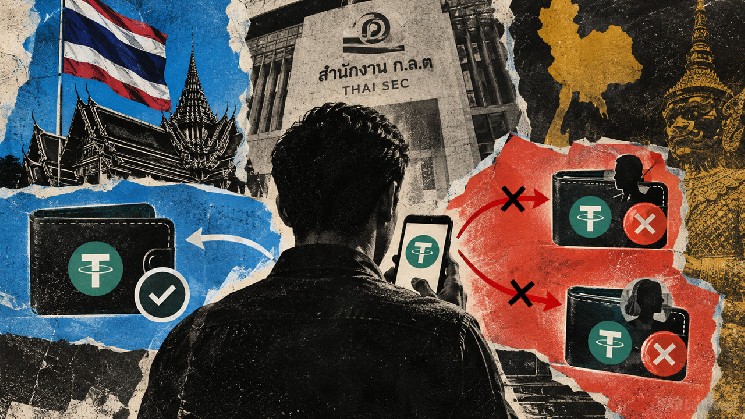
Thailand’s Securities and Exchange Commission has put forth a new proposal that would impose a same-owner requirement for stablecoin transfers, potentially tightening the regulations on how customers can transfer tokens like $USDT through licensed cryptocurrency firms. It’s important to note that this proposal is still in the consultation stage and has not yet become an enforceable rule.
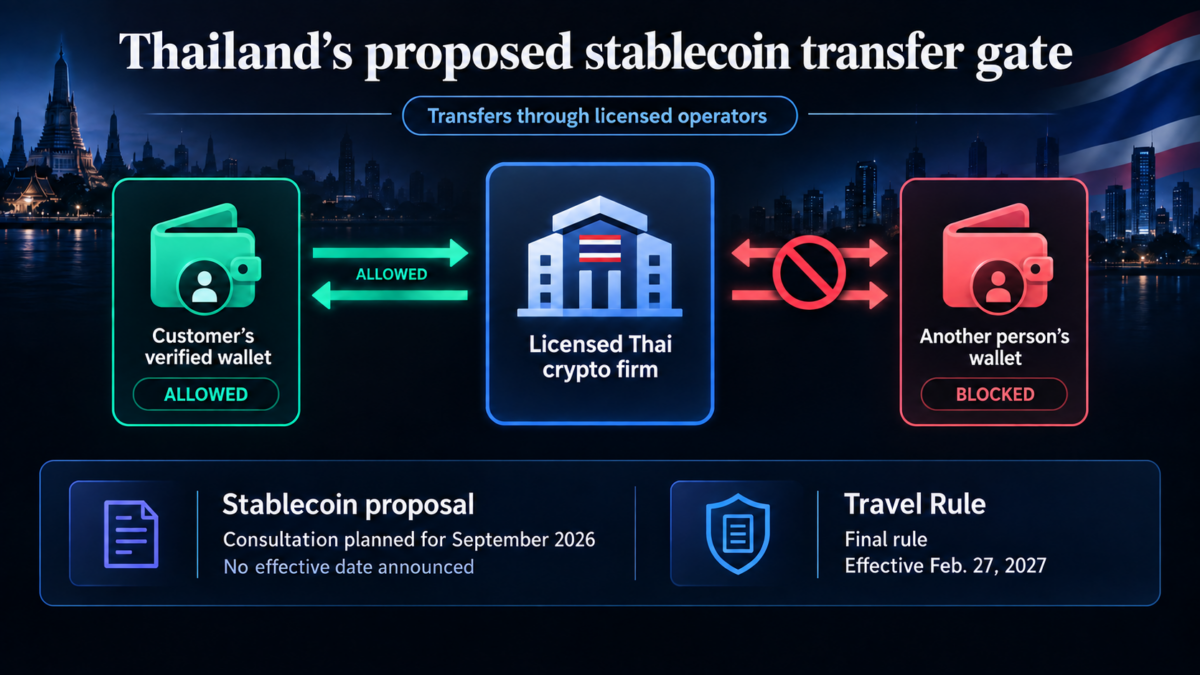
According to the consultation principles approved by the SEC Board on Sept. 3, stablecoins entering a customer account at a digital asset operator would need to originate from an account or wallet that has been verified as belonging to that specific customer. Similarly, withdrawals would also have to be sent to an account or wallet that is verified as belonging to the customer.
The implication is clear: receiving a stablecoin deposit from another person’s account, or sending a withdrawal to another person’s account, would be prohibited under this proposed rule.
Understanding the Proposed Ownership Requirement
As currently drafted, this restriction would prevent customers from using a Thai SEC-supervised platform to receive transfers from wallets belonging to others or to send stablecoins to wallets owned by someone else. This restriction applies specifically to transfers facilitated through supervised digital asset operators, as opposed to peer-to-peer transfers that occur outside of these regulated firms.
Related Reading
US initiates process to implement ID checks for converting dollars to stablecoins, excluding DeFi from the regulations
Additionally, the proposal would mandate that the value of stablecoin transfers align with a customer’s income source and financial status. Both inbound and outbound transfers would be capped at 5 million baht per day, per person, per operator.
This cap would not apply to transfers between customer accounts through SEC-supervised operators if both firms comply with the Travel Rule. The consultation on Sept. 11 also mentions exemptions for certain operator business transfers, Bank of Thailand-authorized operators, and stablecoin/baht market makers. It is still unclear how these exemptions would interact with the same-owner requirement, and further details may be provided during the implementation phase.
The SEC justified these measures by noting the significant growth in stablecoin transaction volume and value, especially involving $USDT, as well as the risks associated with money laundering, cybercrime, and evading regulations on international money transfers.
Related Reading
Thailand’s SEC approves Tether and USDC for digital trading
It’s important to distinguish the proposed ownership test from Thailand’s finalized Travel Rule, which requires digital asset operators to gather information about transfer parties, verify ownership of self-hosted wallets, and conduct due diligence on counterparties. The Travel Rule is set to come into effect on Feb. 27, 2027.
Related Reading
Thailand introduces new crypto regulation targeting private wallets and offshore transfers
Essentially, the proposed stablecoin restrictions would add an additional layer of scrutiny when a transfer involves a licensed operator: the sending or receiving account must belong to the platform’s customer, not another individual.
The SEC initiated a public consultation on Sept. 11, with comments accepted until Sept. 25, 2026. However, an effective date for the proposed stablecoin restrictions has not been announced. Until the final rules are established, the same-owner requirement remains a proposal.