
Calls for tokenization continue to grow, but much of the enthusiasm centers around the opportunities for major cryptocurrencies, big banks and Wall Street.
What about small businesses?
Small Crypto
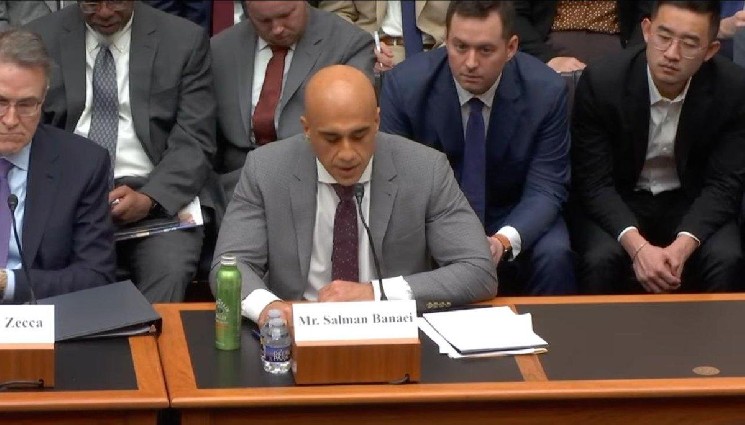
Last week, these institutions were part of the policy dialogue at the US House Financial Services Committee’s tokenization hearing. The Democratic witness, Salman Banaei, General Counsel of Plume Network, provided a compelling picture of the value proposition for tokenization in his testimony.
“Plume is Ethereum’s ‘Compliance Layer’ and the only Ethereum Layer 2 blockchain built to support tokenization with AML and sanctions controls at the protocol level. Our Nest asset management protocol also integrates compliance directly into tokenized assets,” he said.
Banaei advocated for the secure integration of tokenization into capital markets and advocated community-oriented asset-backed securities.
“Congress should encourage the SEC to facilitate the tokenization of asset-backed securities (ABS) involving federally supported programs that improve capital formation for underserved communities, that is, securities backed by community development financial institutions, minority business institutions, minority depository institutions, low-income housing tax credit programs, and opportunity zones.”
He also expressed concern about how regulatory fragmentation could impact U.S. global competitiveness in the emerging sector.
“Foreign jurisdictions are not waiting for what the SEC or Congress decide to do. The infrastructure layer for global capital markets is being built now.”
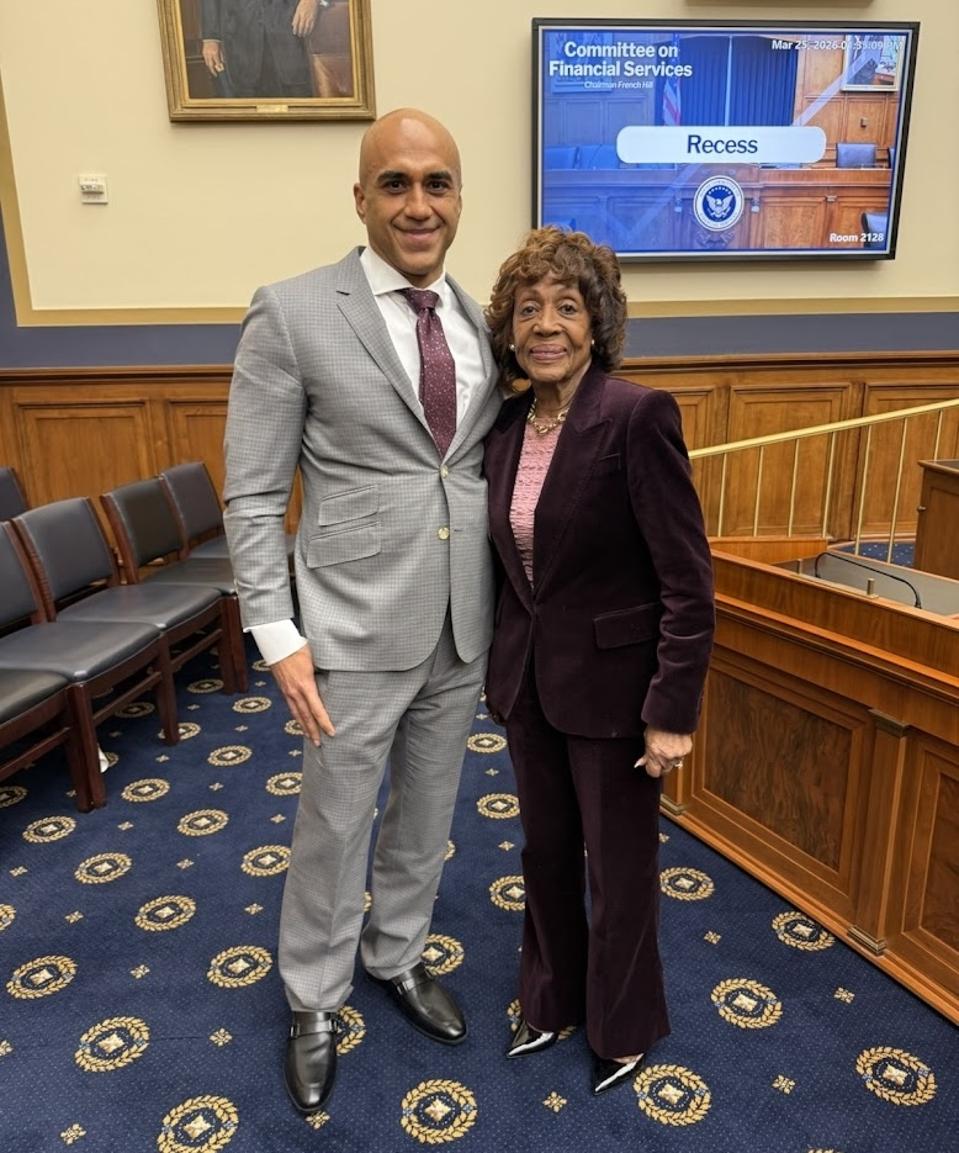
U.S. Representative Maxine Waters with Salman Banaei, General Counsel of Plume Network.
Salman Banaei, general counsel of Plume Network
Clear market structure to promote competitiveness
A few days earlier, I was a panelist at a global tokenization session organized by the International Law Institute. Fellow speaker Anne-Sophie Cissey, Chief Administrative Officer and Group General Counsel for Kaiko, focused on market structure. She discussed the missing infrastructure layer and the compliance challenges that can make or break cross-border tokenization.
“Crypto has proven with DeFi that smart contracts and blockchains enable financial services. Data infrastructure is a necessary layer and is necessary to bridge traditional market data pipelines and on-chain contract execution,” she pointed out.
In her call to action, Cissey encouraged the formation of industry working groups, public-private partnerships and shared standards for proof-of-reserves.
These types of recommendations could potentially provide opportunities for small businesses and institutions. But what is the way forward?

ILI Finance Roundtable Panel, “Tokenization – Current State of Play, Regulatory Challenges and Future Directions” (March 19, 2026)
Institute for International Law
Moves towards harmonization
Much policy and regulatory work remains to be done to promote clarity and catalyze a robust tokenization sector with extensions for traditional small businesses and micro entities, such as minority depository institutions and community development financial institutions.
While it is still early days on the future frontier, Washington must act faster if the US is to lead the global tokenization market. Market structure legislation in the US Senate includes a section on tokenization, but it has stalled. However, guidelines are trickling in and talk of harmonization between regulators is encouraging.
A few weeks ago, the Federal Deposit Insurance Corporation, the Federal Reserve Board, and the Office of the Comptroller of the Coin issued a joint statement providing guidance regarding the capital treatment of eligible tokenized securities.
Still, the US must develop a comprehensive framework to ensure small players are not left out as tokenization takes off.