
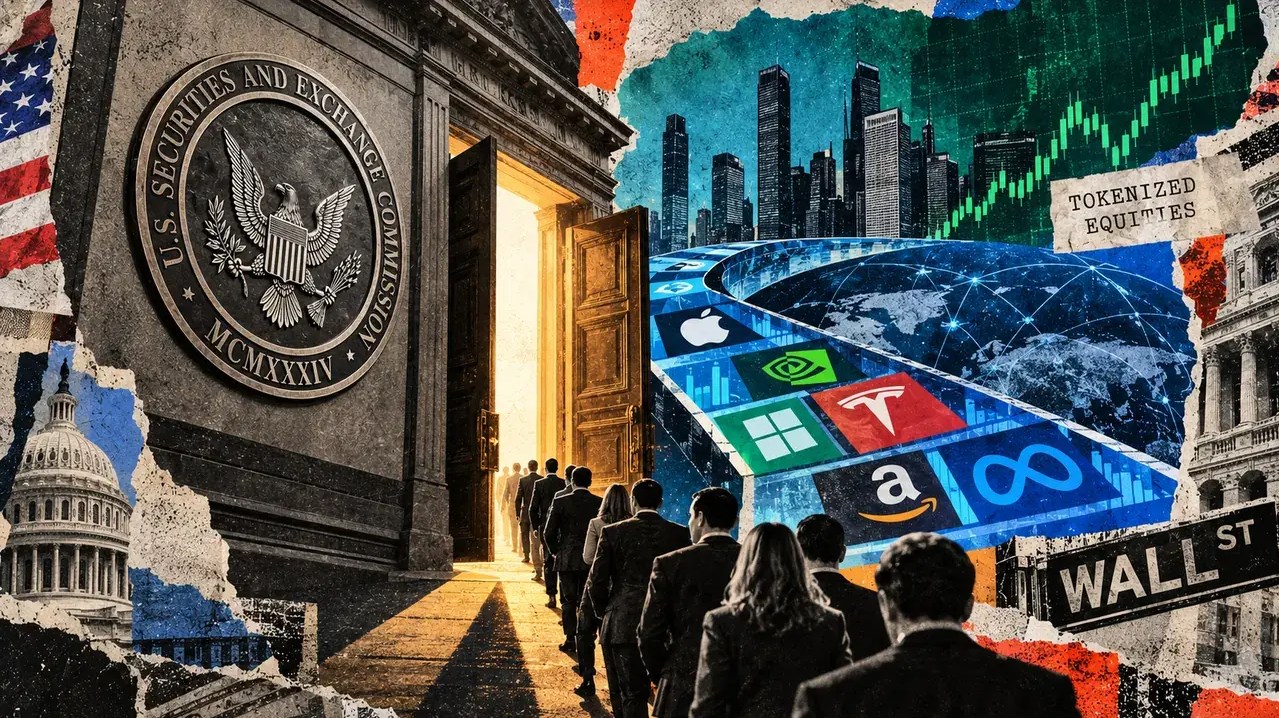
The US Securities and Exchange Commission (SEC) has recently announced a significant development in the trading of regulated US stocks on blockchain-native venues. This move, known as the Innovation Exemption, comes in the wake of the Senate’s failure to advance the CLARITY Act, which aimed to establish statutory rules for digital assets and clarify regulatory responsibilities.
The Innovation Exemption paves the way for Tokenized Securities Venues (TSVs) to facilitate on-chain trading of certain tokenized stocks. This framework allows buyers and sellers to interact through permissioned automated market makers and liquidity pools. Qualified venues will receive temporary relief from being treated as exchanges under the Securities Exchange Act, with certain liquidity providers exempt from dealer-registration requirements. These exemptions will be valid for five years, during which the SEC will collect trading data to determine a permanent framework.
Commissioner Mark Uyeda emphasized that the framework is deliberately constrained, with symbol and volume caps in place. Requirements for transaction transparency, trading halts, recordkeeping, and technology safeguards are also included. Venues must publish information such as prices, trade sizes, timestamps, pool addresses, and daily trading volumes.
The SEC’s decision aligns with a broader trend towards 24-hour US equity trading, reflecting the evolving nature of financial markets. SEC Chair Paul Atkins highlighted the importance of adapting to economic and corporate events that no longer adhere to traditional market hours. He also noted the potential of tokenization for real-time inventory management, which could enhance efficiency and reduce settlement failures.
The regulatory opening has garnered interest from companies that have been exploring tokenized-equity businesses abroad. Robinhood Crypto General Manager Johann Kerbrat expressed optimism about the potential for liquid tokenized securities markets to develop onshore, citing the SEC’s move as a significant step towards innovation acceleration.
Offshore markets have already demonstrated the appeal of tokenized stocks, with significant growth in market capitalization and trading volume. Tokenized stocks have seen increased activity, particularly on weekends when traditional exchanges are closed. This trend underscores the demand for continuous access to equities and the potential for on-chain trading to complement traditional market hours.
While trading currently dominates the tokenized-equity market, there is growing interest in leveraging tokenized securities for lending and collateral purposes. Greater regulatory clarity and compliance-enabled token standards could facilitate integration with lending markets and other blockchain-based financial infrastructure. This shift could unlock additional financial uses for tokenized stocks beyond trading.
The SEC’s exemption sets the stage for a regulated pathway for tokenized securities infrastructure in the US. Issuers and trading venues will need to adhere to strict guidelines to ensure compliance with securities regulations. The five-year exemption period will serve as a testing ground for managing liquidity challenges and operational complexities associated with around-the-clock trading.
Overall, the SEC’s decision marks a significant milestone in the evolution of tokenized securities trading in the US. It signifies a step towards greater innovation and integration of blockchain technology in traditional financial markets.