
New Federal Regulations Aim to Enhance Oversight in Cryptocurrency Market
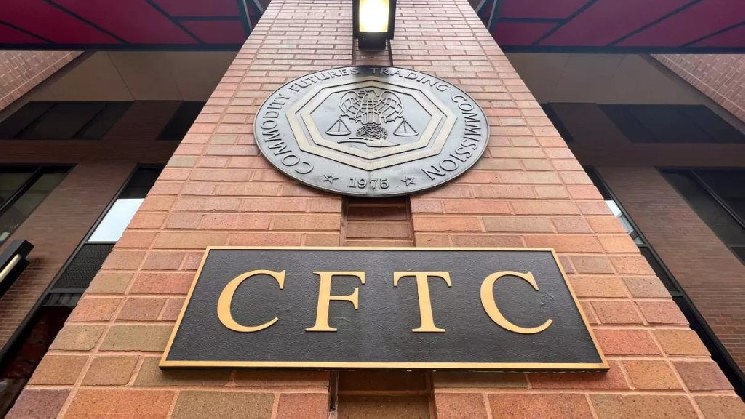
The Commodity Futures Trading Commission (CFTC) recently highlighted the case of the bankrupt FTX exchange as a cautionary tale. The CFTC revealed that the founders of FTX had misappropriated around $8 billion in customer funds, leading to legal actions by both the CFTC and the Securities and Exchange Commission (SEC) following the company’s collapse.
In its statement, the CFTC pointed out that platforms like FTX, BlockFi, and Voyager Digital primarily operate in the US through state-level money transfer licenses, which are intended for payment services rather than financial markets and vary across states.
The CFTC emphasized the need for federal market regulations to establish broader standards for trading platforms, aiming to prevent market manipulation, ensure transparent and orderly transactions, mitigate conflicts of interest, and safeguard client assets.
Despite the bankruptcy of several of FTX’s entities, the CFTC-registered subsidiary’s customer assets were confirmed to be segregated and secure.
Following the failure of the Clarity Act in the US Senate, the CFTC, in conjunction with CTX and CAM regulations, is taking steps to create a federal framework for the cryptocurrency market within its existing authority, without waiting for new legislation from Congress.
These regulations build upon a previous declaration by the CFTC and SEC, affirming that a wide range of crypto assets, including Bitcoin and Ethereum, do not qualify as securities and fall under the CFTC’s regulatory jurisdiction.
Under the CTX and CAM regulations, new standards will be established for CFTC-registered exchanges listing such crypto assets.
Unlike the Clarity Act, the regulations will not mandate that crypto assets can only be traded on CFTC-registered platforms. The CFTC acknowledges its limitations in imposing such a requirement without additional authorization from Congress.
The new system will offer crypto exchanges interested in operating in the US the opportunity to adhere to a unified federal regulatory framework. These CFTC-registered platforms will be permitted to provide individual investors with margin, leverage, or finance-backed crypto trading, distinguishing them from state-licensed spot exchanges.
The CFTC also criticized the previous “come and register” approach advocated by former SEC Chairman Gary Gensler, noting that companies were required to treat crypto assets as securities to register with the SEC and comply with outdated regulations ill-suited for the dynamic crypto market landscape.
The CFTC’s fresh approach aims to design a tailored regulatory system that acknowledges the unique characteristics of crypto assets compared to traditional commodities.
The CTX and CAM regulations mark the initial phase of a comprehensive regulatory journey for the crypto market, with the CFTC recognizing that standalone regulations cannot substitute a comprehensive crypto market law enacted by Congress.
*Please note that this content is not intended as investment advice.