
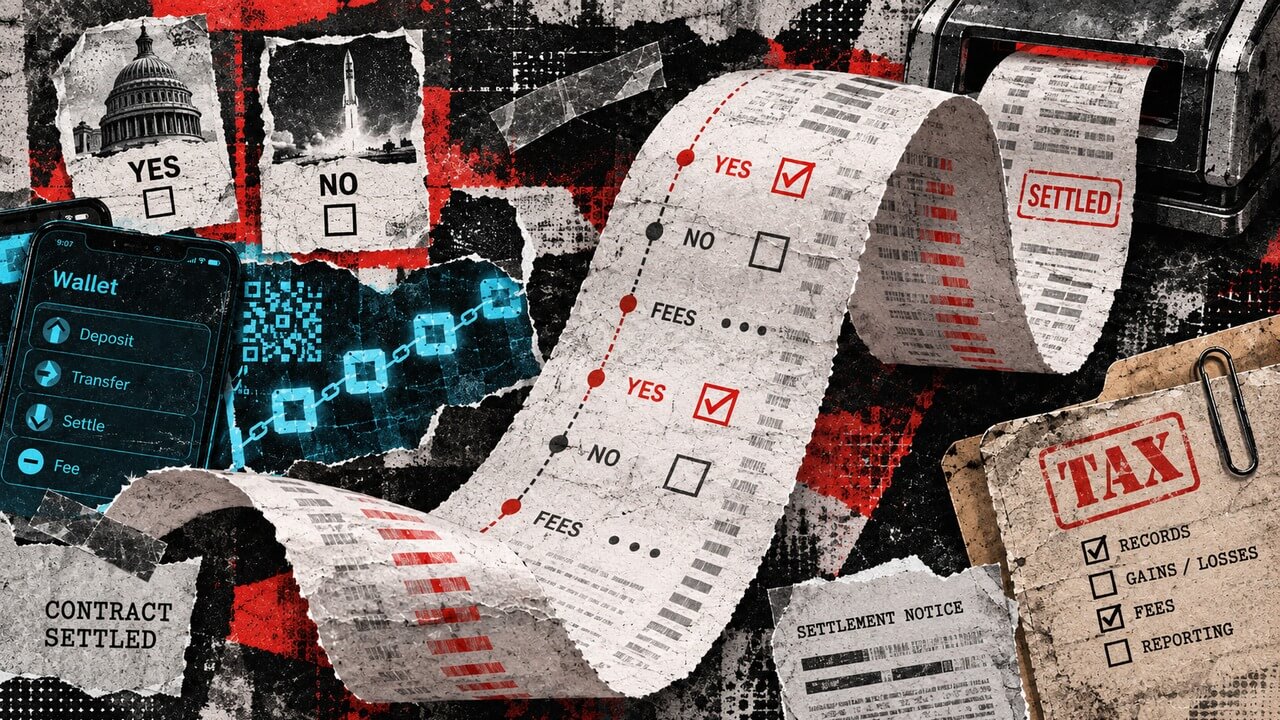
A reliable ledger goes beyond just noting the final withdrawal from an account. It is essential to capture every detail of a trading transaction to ensure accuracy and transparency. Here are some key points to consider when maintaining a ledger for trading activities:
Opening a Position:
– Record the date and time of the trade, market identifier, outcome, quantity, execution price, gross cost, fee, currency, platform, and complete contract rule.
– Keep track of each individual fill, even if the platform only provides an average.
– Preserve any supporting statements and flag any missing fill-level details.
Selling Before Resolution:
– Document the quantity closed, sale proceeds, fee, and remaining position.
– Remember that the cash leaving the platform later should not replace the trade date and proceeds record.
Holding to Settlement:
– Save the final outcome, settlement date, settlement value, and any adjustments or fees.
– Retain the resolution notice and rule version in case of disputes or clarifications.
Voids, Ties, and Corrections:
– Be mindful of refunds, $0.50 tie settlements, cancellations, and corrected outcomes that may result in different cash flows from a standard $1-or-$0 settlement.
– Keep track of company explanations and ledger entries for such instances.
Deposits and Withdrawals:
– Cash transfers help reconcile the account but may not always be taxable events on their own.
– For crypto transfers, include details such as asset, quantity, wallet, transaction hash, fair market value, fees, and ownership context.
– Separate resolution and settlement steps from cash availability to maintain accurate tax records.
Maintaining a detailed ledger is crucial for traders to track their transactions accurately and ensure compliance with tax regulations. By following these guidelines and recording all necessary details, traders can have a clear and transparent record of their trading activities.