

Zano’s head of marketing and growth, Quinten van Welzen, raised concerns about the unauthorized circulation of $ZANO and fUSD without limits, which diluted the value for holders and violated the basic promise of a fixed supply in a currency. Van Welzen emphasized the importance of addressing the issue to maintain the project’s integrity and prevent future attacks on the currency.
Zano Discovers Gateway Address Vulnerability
Although Zano has not yet released a detailed analysis of the incident, it has identified the problem stemming from Gateway Addresses. This feature was designed to simplify integration with bridges, exchanges, and payment services by allowing them to manage funds through a single account balance. Prior to Gateway Addresses, Zano’s wallets tracked funds as separate transaction outputs, requiring exchanges to scan the blockchain for incoming payments and manage multiple outputs for withdrawals.
Launched in May 2019, Zano is a privacy-focused layer-1 blockchain that enables confidential transactions. Its standard private transactions conceal sender identities, receiver information, transfer amounts, and asset types. In addition to its native token, $ZANO, users can create and mint custom digital assets such as Freedom Dollar (fUSD) on the Zano blockchain.
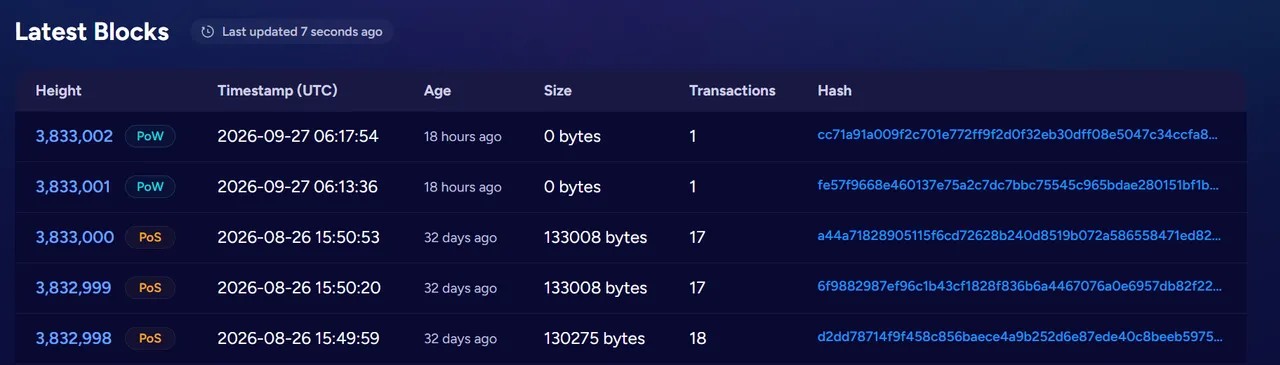
Van Welzen acknowledged the challenges of restarting the chain from before Hard Fork 6, including losing a month of transaction history and the need to rebuild trust with users. However, he highlighted the importance of restoring the original token supply and maintaining transparency to regain credibility. Despite the setbacks, van Welzen expressed optimism about the opportunity to rebuild and move forward.