
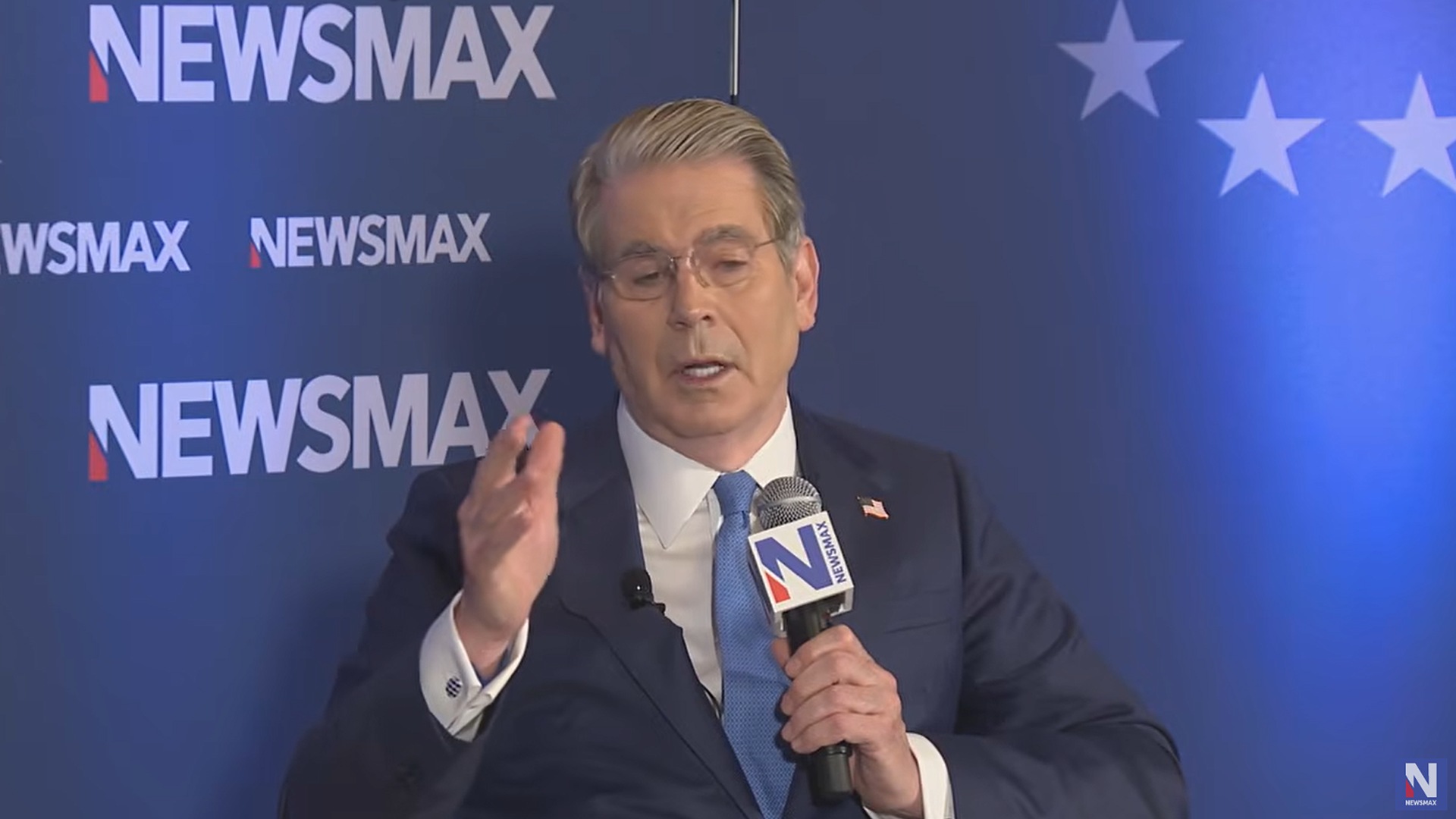
U.S. Treasury Secretary Scott Bessent has made a bold statement, announcing that American authorities are gearing up to seize $1 billion in cryptocurrency from Iran. This move comes as part of the ongoing economic sanctions imposed on the Middle Eastern country, which Bessent claims are proving to be effective.
In a recent appearance at Newsmax’s NPolicy Summit in Washington, D.C., Bessent emphasized the success of the sanctions in targeting Iran’s use of bitcoin and other cryptocurrencies to bypass U.S. restrictions. The U.S. government initiated actions against crypto wallets linked to the Iranian regime back in April, a strategy that has now culminated in the impending seizure of a significant amount of digital assets.
Bessent asserted that the U.S. approach towards Iranian sanctions is unprecedented, stating, “What we have done has never been seen before.” He revealed plans to confiscate $1 billion worth of crypto assets in the coming week, highlighting the government’s ability to pinpoint and isolate these funds. The shift from a “maximum pressure campaign” to an “absolute isolation campaign” reflects the evolving tactics in combating Iran’s financial activities.
While the specifics of the seizure remain undisclosed, it is noted that freezing Iran’s bitcoin holdings would be a complex task unless they are stored on a centralized exchange. Unlike Bitcoin, which is resistant to censorship and cannot be frozen, certain cryptocurrencies like Tether’s USDT are susceptible to seizure. Previous reports suggest that the U.S. authorities have already seized Iranian crypto assets in the form of stablecoins.
Iran’s utilization of bitcoin for various financial purposes has attracted attention in recent months. The country introduced a bitcoin-backed insurance service for its shipping companies earlier this year, signaling a growing reliance on digital assets for economic transactions. Reports indicate that Iranian crypto exchanges are facilitating cross-border settlements through bitcoin, a practice encouraged by the central bank to support the national economy.
The renewed emphasis on sanctions against Iran comes as President Donald Trump reignited the “maximum pressure” campaign upon his return to office. A national security memorandum issued in February 2025 directed the Treasury Department to intensify efforts against Iran’s shadow banking, money laundering, and sanctions-evasion networks.
As the U.S. prepares to seize a substantial amount of cryptocurrency from Iran, the implications of this action on the global financial landscape remain to be seen. The ongoing confrontation between the two nations in the digital realm underscores the significance of cryptocurrency in modern geopolitical conflicts.