
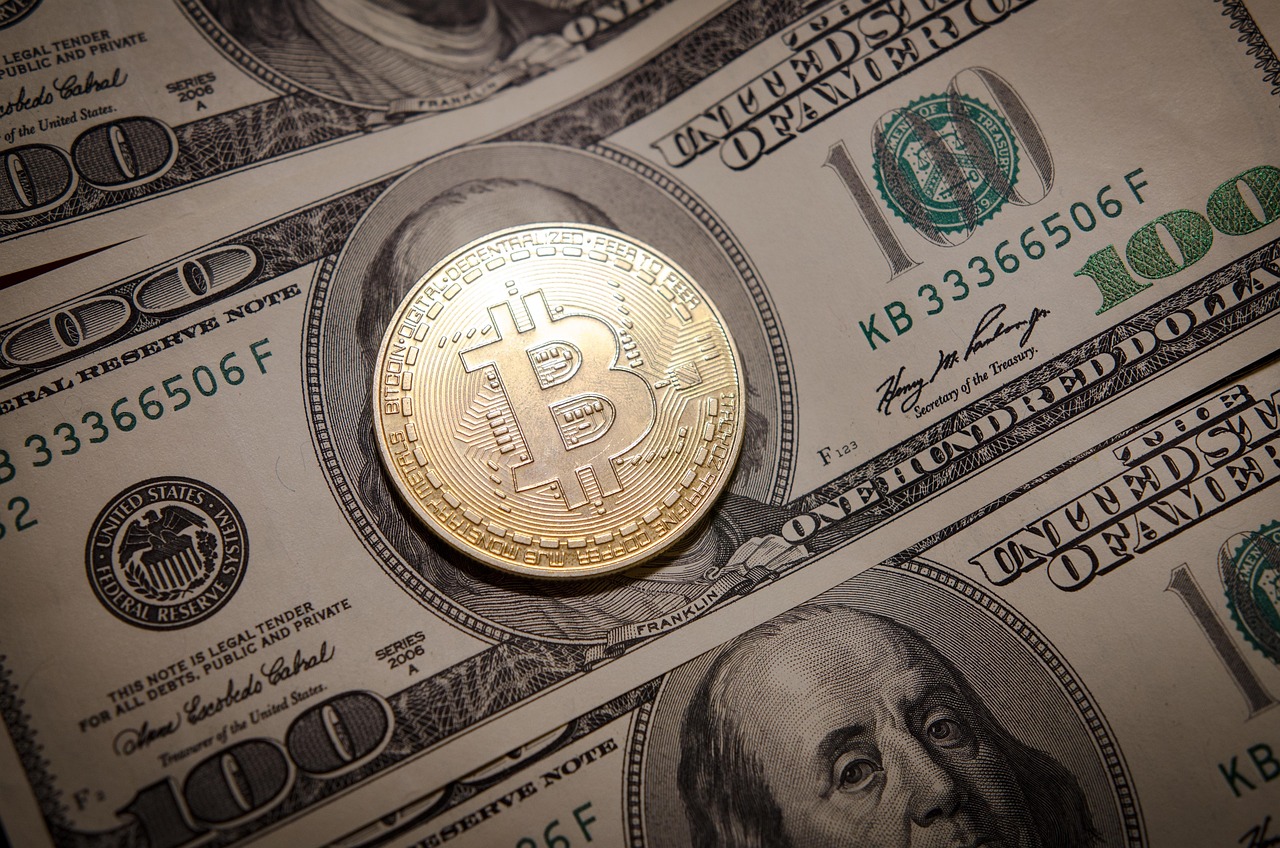
The US government is sitting on roughly 378,372 Bitcoin that are worth more than $24 billionThis is evident from data from Arkham Research. But more than a year after US President Donald Trump signed an executive order establishing a strategic Bitcoin reserve, no new Bitcoin has been purchased.
Related reading
The government has not gone beyond the digital assets it already had in its possession from criminal seizures. David Bailey, a former crypto advisor to the Trump administration, says this gap tells the whole story.
Liking is not enough: Bailey
“Liking Bitcoin is not enough,” Bailey said said last week at the Bitcoin Investor Week Conference in New York City. He was direct about what he sees as the difference between political goodwill and real action.
His view: Trump’s support for Bitcoin has been real, but support alone does not move markets or policies.
Spending political capital is the hard part
Bailey said the government has taken an important first step. But the first steps, he argued, do not automatically lead to second ones.
Without a willingness to resist – from budget hawks, from skeptical lawmakers, from a political system that does not easily bend to new financial ideas – the to book order remains mainly symbolic.
According to reports, David Sacks, the White House AI and crypto coordinator, recognized the challenge early on.
Just two months after the executive order was signed, Sacks said that increasing the government’s Bitcoin holdings would require a “budget neutral” approach — meaning no new taxes and no new debt.
It turns out to be difficult to circumvent that limitation. No framework has been made public for how this can be met.
Bailey did not spare the harsh language. “Unless you are willing to commit the political capital required to mobilize the various gears required to move the ball forward,” he said, the outcome is the same whether a politician likes Bitcoin or not.
He mentioned the difference between expressing an opinion and doing the work to support that opinion.
Bailey says Bitcoin wins either way
Despite the criticism, Bailey fell far short of pessimism. He told the conference public that Bitcoin does not need government intervention to survive or grow. The question, as he phrased it, concerns only timing.
Related reading
“Whether it’s four years from now, or 10 years from now, or 20 years from now,” he said, “we will get to the point where we actually have a government that is conducive to the regulations we need for Bitcoin to be successful.”
Bailey now runs KindlyMD, a Bitcoin Treasury company, and he made it clear that his focus is on expanding ownership rather than waiting for Washington.
More Bitcoin owners means more voters who have a personal stake in pro-Bitcoin policies — which, he argued, is what makes adoption inevitable over time.
Featured image from Pixabay, chart from TradingView