
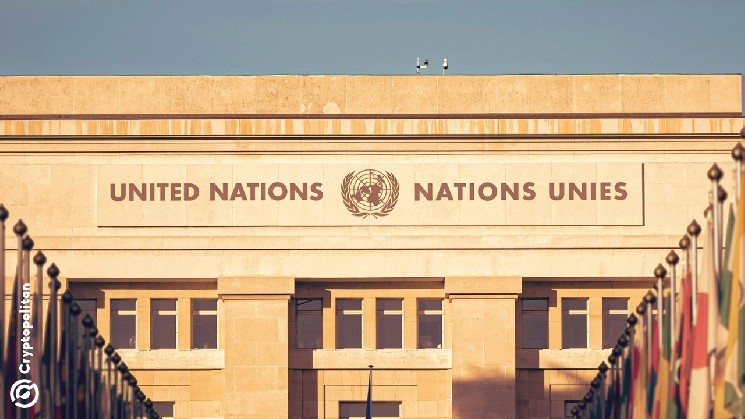
The UN has released a white paper in which the effects of blockchain technology are praised in its pension fund system.
Blockchain technology has steadily helped companies and organizations to improve transparency, save costs and reduce fraud in areas such as finance, supply chains and healthcare. Now the United Nations are taking steps to integrate the technology deeper into its activities after testing in his pension system.
The UN Backs Blockchain technology
The United Nations stated that blockchain technology is an important tool for its digital transformation and inclusive administrative strategy after a successful process in its pension fund system.
A new white paper that was released by the Global Body concluded that Blockchain offers ‘the ultimate technology for digital identity verification’, with the potential for the UN to scale the technology on its agencies and to promote as a worldwide digital audience.
The project is aimed at the Joint Staff Pension Fund (UNJSPF) of the United Nations, which manages pension benefits for staff in the UN system. For decades, the pension fund has been working with the help of a manual, paper -based process that required beneficiaries to prove their identity and confirm that they are still alive.
With more than 70,000 beneficiaries in 190 countries, the system was slow, expensive and vulnerable to fraud. The dependence on physical documents often led to errors, delays and even suspensions. It also led to around 1,400 pension payments that were paused every year due to verification problems.
To take on these challenges, the UN decided to use blockchain in collaboration with the Hyperledger Foundation. The initiative was first launched in 2020 and then there was a larger rollout in 2021 when the pension fund moved to a digital certification system built on Blockchain.
The UN switches from paper to blockchain
The white paper described the old pension system as “a 70-year process that is susceptible to mistakes and abuse.”
Every year the fund had to manage paper forms of tens of thousands of pensioners worldwide. Employees spent hours receiving, opening, scanning and archiving documents and all these steps introduced opportunities for errors or delays.
According to the report, this change in blockchain technology improved efficiency and transparency. Beneficiaries were able to confirm their status digitally, while the fund gained more confidence with fewer weaknesses in the system to be exploited.
“The shift of physical documentation has considerably reduced processing times,” noted the UN report authors. She referred to how blockchain beneficiaries allowed their identity and status to safely verify or submit physical paperwork, reduce processing times and make the system more resilient, while also elimining repetitive controls and the risk of double data entry.
The United Nation is now investigating ways to adjust the digital certificate of the legal model, the blockchain-based identity verification system, in its agencies and share it with other international groups.
Sameer Chauhan, the director of the International Computing Center of the United Nations, wrote in the Paper’s conclusion that the project not only offered a technical solution, but also “an operational model for how organizations in the UN family can work together to design safe, scalable and inclusive digital public infrastructure.”