
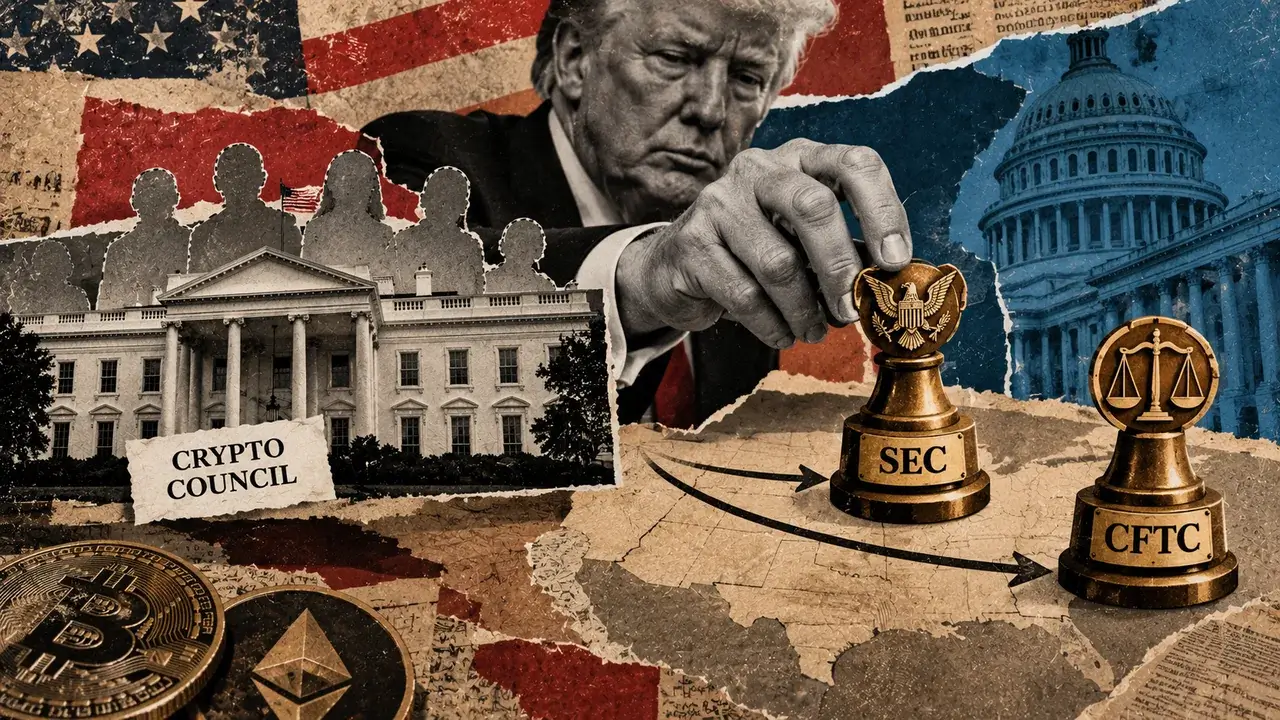
The debate over financial privacy in the cryptocurrency industry has been ongoing for years, with the recent withdrawal of two key proposals by the FinCEN marking a significant shift in the government’s approach to regulating this space.
In December 2020, the Treasury Department under Steven Mnuchin introduced a proposal that would require crypto exchanges and financial institutions to collect more information about transactions involving self-controlled wallets. This proposal aimed to address national security concerns and combat financial crime, but it faced backlash from privacy advocates who argued that it would infringe on individuals’ financial privacy.
Fast forward to six years later, during Donald Trump’s second administration, the proposal was formally withdrawn, ending a regulatory process that had generated thousands of objections. This reversal was unexpected, especially since it came from an administration led by the same president.
The initial proposal focused on so-called “unhosted wallets,” where users control their private keys and can transact without the need for a financial institution. This presented a challenge for regulators used to collecting information from banks, where customers’ identities are known. The proposal sought to extend reporting and recordkeeping requirements to transactions involving these wallets, triggering concerns about overreach and unnecessary data collection.
Despite the urgency initially placed on the proposal, the regulatory process dragged on for years without a final rule being implemented. The Biden administration continued to grapple with how to balance financial transparency with individual privacy, leading to the eventual withdrawal of the proposal in October 2026.
A new proposal in October 2023 focused on cryptocurrency mixing, techniques used to obfuscate transaction details. This proposal raised similar concerns about privacy and surveillance, prompting further debate within the industry.
Ultimately, the withdrawal of these proposals does not exempt exchanges from existing anti-money laundering regulations or reporting requirements. The government’s changing stance reflects a growing recognition of the need to protect financial privacy while still combatting illicit activities in the crypto space.
The withdrawal of these proposals signifies a win for the crypto industry and privacy advocates, but the broader conversation around financial privacy and regulation continues. The intersection of public blockchains, financial institutions, and individual autonomy in managing their finances remains a complex and ongoing debate that will shape the future of the industry.