
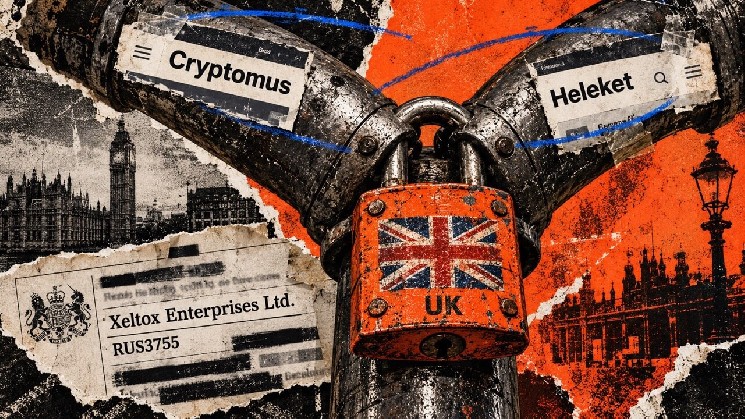
Understanding the Latest Financial Sanctions Measures
The recent financial sanctions measures announced include a variety of restrictions aimed at preventing designated persons from engaging in illicit activities. These measures include an asset freeze, restrictions on trust services, director disqualification, internet-services sanctions, and correspondent-banking and payment-processing restrictions.
One of the key banking measures involves prohibiting UK credit or financial institutions from establishing or continuing correspondent relationships with designated persons and from processing payments to, from, or through them. This measure also extends to credit or financial institutions owned or controlled by the designated person.
Another measure targets the internet, requiring social media services, internet access services, and application stores to take reasonable steps to prevent UK users from accessing content, websites, or applications supplied by designated persons. This measure establishes a UK access restriction to prevent individuals from engaging with illicit activities online.
Guidance from the Office of Financial Sanctions Implementation (OFSI) emphasizes that UK financial sanctions apply to individuals and activities within UK territory, as well as to UK nationals and entities established under UK law regardless of their operating jurisdiction. Cryptoassets are also covered under these sanctions as they fall within the definitions of funds and economic resources, impacting transactions based on the parties involved, the activity, and the jurisdiction.
Understanding Ownership and Control Tests
The control question extends beyond explicitly named brands, with OFSI’s ownership and control tests considering factors such as holding more than 50% of shares or voting rights, the right to appoint or remove a majority of directors, or the ability to ensure that an entity conducts its affairs according to one’s wishes. This means that even an unlisted company can fall within applicable financial restrictions due to control by a designated person.
When it comes to transactions within UK sanctions jurisdiction, the legal basis of the transfer is crucial, even if the customer is not designated. Whether a transfer is prohibited, covered by an exception, or permitted by a license depends on the funds involved and the nature of the activity.
UK government guidance distinguishes between exceptions, which apply automatically when specific conditions are met, and licenses, which require written permission for otherwise prohibited activities. General licenses also have conditions and can expire, be amended, or be revoked. Therefore, any prohibited transfer requires an applicable exception or license for lawful processing.
Checking the OFSI general-license index is essential to understand which entities a permission covers. The recent addition of the Zarubezhneft wind-down license illustrates the importance of verifying permissions for specific entities and subsidiaries.
Understanding Payment Routes and Compliance History
Separate exchange names can share a route, highlighting the complexity of tracking downstream funds and ensuring compliance with financial sanctions. It’s crucial to consider the legal operator and the routing of payments, as different exchange brands can send funds through shared downstream routes while providing distinct services to customers.
Prior to the UK designation, Xeltox had a compliance history in Canada, where it faced significant penalties for various violations. The director confirmed a substantial administrative monetary penalty for multiple contraventions, including failures to submit suspicious-transaction reports and comply with Canada’s Iran directive.
For individuals or entities considering a switch, understanding the operator, fund control, payment route, and applicable permissions is essential to ensure compliance with financial sanctions and regulatory requirements.
Stay informed about the latest financial sanctions updates to navigate the evolving regulatory landscape effectively.