
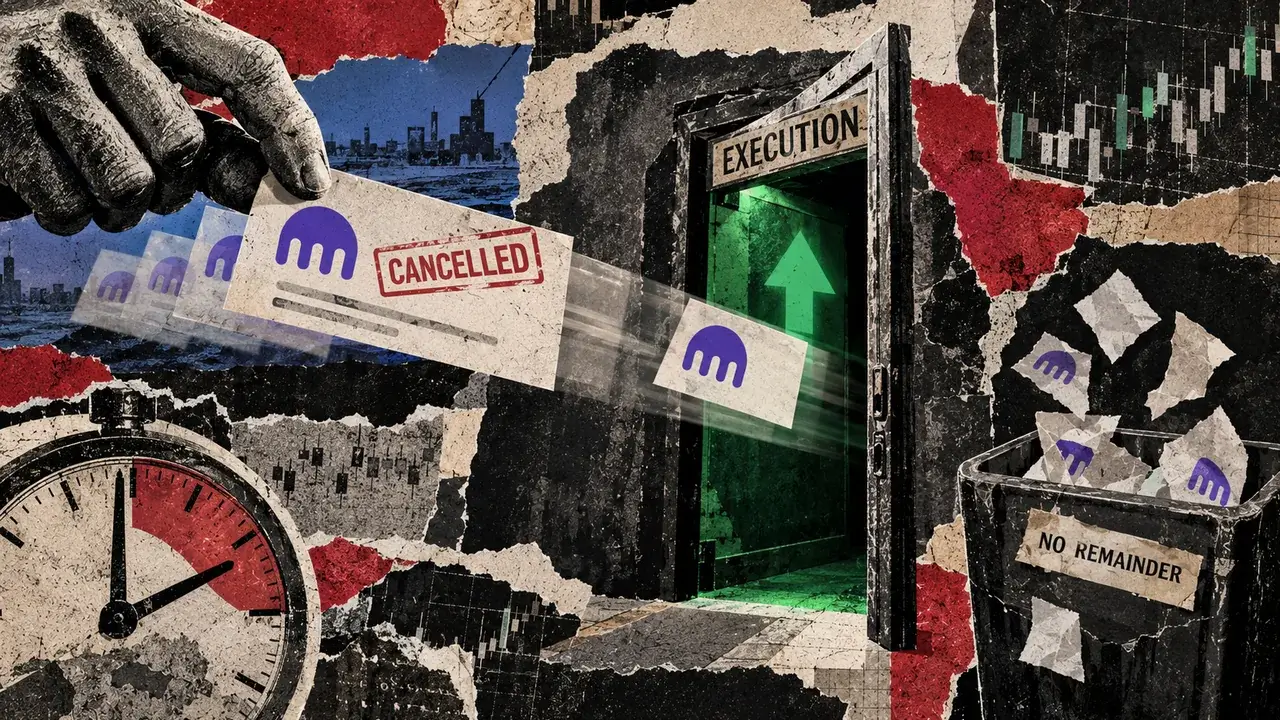
Kraken, a popular cryptocurrency exchange, made significant changes to its futures trading system on October 8. The update expanded the system to include a new rule where some limit orders can still execute even after a successful cancellation if the cancel request arrives during the Maker Protection hold window. This change was implemented as part of Phase 2, which also saw the addition of 61 new perpetual contracts to the platform.
Maker Protection is a feature that applies to selected futures markets on Kraken. It holds orders that have the potential to take liquidity before they reach the matching engine, giving traders with resting orders time to react. Essentially, a limit order without a post-only instruction is held on a covered market, even if it would have otherwise rested on the order book.
When a cancellation request is made within the Maker Protection hold window, it changes the nature of the order. Kraken converts the held placement to immediate-or-cancel, meaning that it can trade when released but cannot leave any unfilled remainder on the order book. The original hold expiry time remains the same.
For example, if a trader submits a non-post-only limit order and cancels it before the hold expires, the cancellation request bypasses the delay and converts the held placement to immediate-or-cancel. At the original release time, the order can still be filled, but any unfilled amount is discarded.
Kraken reports these instructions separately, with the cancel request receiving a status of “cancelled” and the order itself reporting any fills or failure to execute. For a converted limit order that cannot trade, the REST v3 response is “iocWouldNotExecute.”
The hold duration for each market is specified in Kraken’s instruments feed through the makerProtectionMillis parameter. It is important to note that the hold duration is contract-specific, so traders cannot rely solely on the coin name to determine if a market is covered by Maker Protection. The ten most liquid linear perpetual markets are excluded from this rule, and spot trading is not affected.
It is essential for automated traders on Kraken futures to carefully monitor the order execution response and cancellation acknowledgment. A successful cancellation of a held limit order can still result in a later fill, so traders need to be vigilant in managing their orders on the platform.