
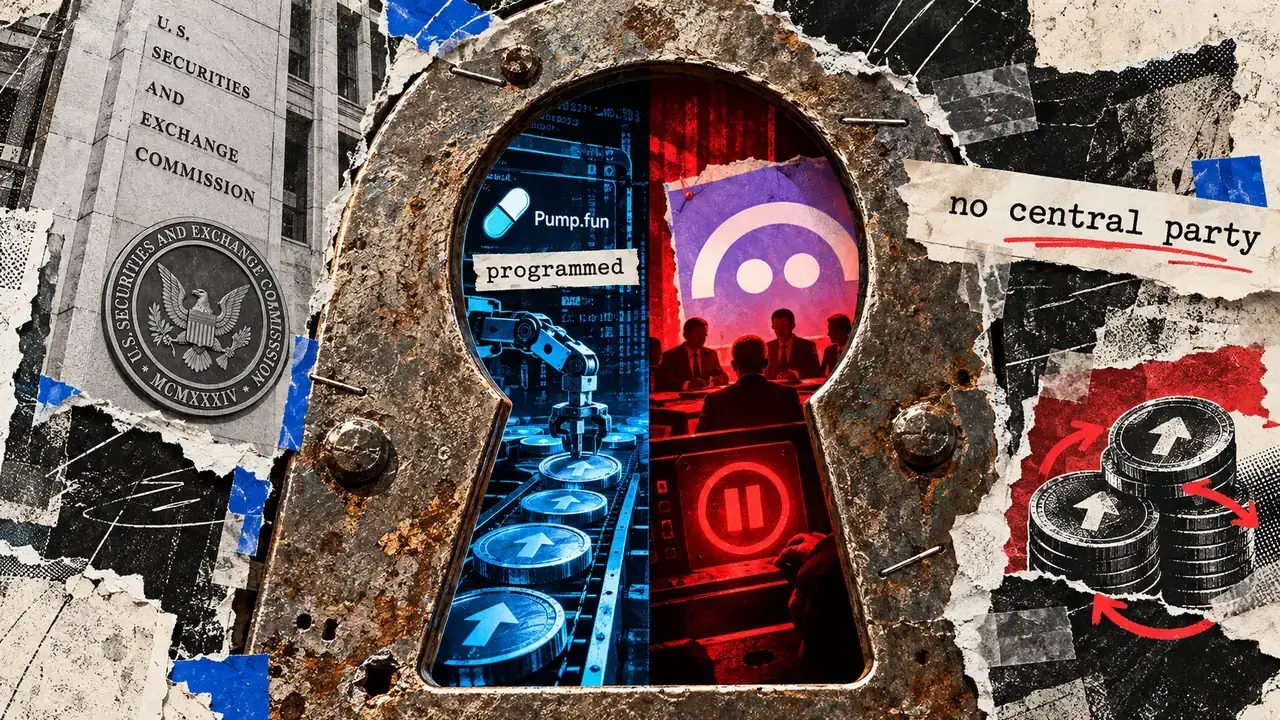
Aave paused its buyback program after the price of AAVE tokens dropped sharply. The DAO stated that it would pause the program until the price stabilized, showing that human decision-making can override automatic buyback mechanisms.
This example illustrates the importance of understanding who ultimately controls a token buyback program. While automatic buybacks can be a useful tool for managing token value and incentivizing holders, they must be implemented in a way that aligns with regulatory guidelines.
Overall, the SEC’s updated guidance on token buybacks highlights the need for clarity and transparency in the crypto industry. Projects must ensure that their buyback programs are not misleading investors or creating false expectations about token value management.
As the crypto market continues to evolve, regulatory oversight will play an increasingly important role in shaping industry practices. Projects that can demonstrate a clear understanding of regulatory requirements and a commitment to compliance will be better positioned to succeed in the long term.
An important governance notice issued on April 22 announced that AAVE buybacks had been temporarily halted starting from April 19, following an incident involving the rsETH bridge. TokenLogic clarified that the pause was implemented to provide the treasury with more flexibility while the repercussions of the incident were being evaluated. It was also mentioned that any potential restart of the buyback program would be communicated through a standard funding update.
Subsequently, in an August/September funding update, AAVE was identified as one of the assets that could be acquired through revised token budgets. However, this update did not explicitly confirm the resumption of AAVE buybacks, nor did it provide a detailed account of any purchases made following the pause. Therefore, the April notice definitively indicates that the buyback program was put on hold at that particular juncture. The subsequent update indicated the possibility of resuming purchases but did not offer unequivocal evidence of their recommencement.
The experience of Aave underscores the significance of the precise language used by regulatory bodies like the SEC. The ability to adjust the scale of the buyback initiative and cease purchases in response to changing circumstances does not automatically imply that Aave is subject to centralized control per the SEC’s criteria. The SEC’s assessment encompasses a broader evaluation of who wields operational, economic, or voting authority over the entire cryptocurrency ecosystem.
For potential investors seeking clarity on the level of decentralization in a buyback scheme, a fundamental question arises: Who possesses the authority to initiate, terminate, or modify future purchases, and what additional influence do they exert over the system? By posing these inquiries, stakeholders can gain a deeper understanding of the dynamics of decentralized governance in cryptocurrency projects.
In conclusion, the evolving landscape of governance in the cryptocurrency realm underscores the need for transparency, accountability, and clear communication to foster trust and confidence among investors and stakeholders. The regulatory scrutiny of initiatives like buybacks serves as a reminder of the importance of adhering to regulatory guidelines and implementing robust governance structures to navigate the complexities of the digital asset space effectively.