
Cryptocurrency is entering a new phase of competition as artificial intelligence-powered payments come to the fore. Machine-to-machine transactions are no longer theoretical. Developers are actively building an infrastructure that will allow AI agents to independently execute transactions, creating a new battlefield among blockchain networks.
all x402 transactions take place in three chains:
– Solana
– basic
– polygonIt will be very interesting to see how that changes with the launch of the tempo mainnet
whoever first fixes agents’ payments has a huge moat pic.twitter.com/ON7Eq3R2ZW
— nairolf (@0xNairolf) February 27, 2026
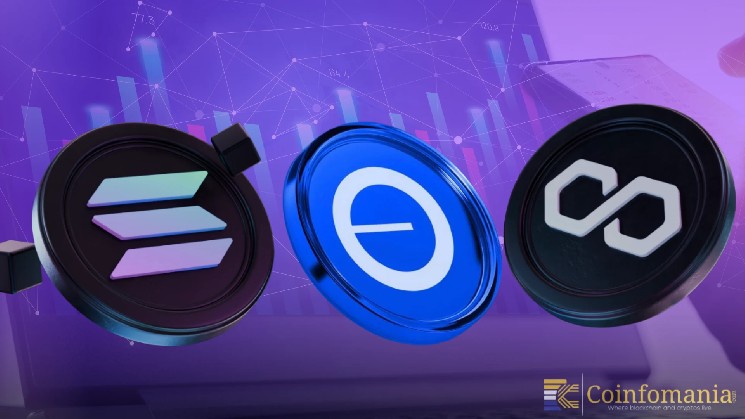
Recent data shows that x402 transactions are heavily clustered around three blockchains: Solana, Base, and Polygon. This concentration indicates an early dominance of infrastructure. Developers prefer these networks because they offer high speed and low transaction fees, which is essential for automated payments. As a result, they are currently leading the emerging payments economy.
What x402 means for AI-driven payments
The x402 framework enables machine-to-machine payments using HTTP 402, allowing AI agents to pay for services instantly without human intervention. These transactions typically rely on stablecoins to maintain predictable value during transfers. This structure lays the foundation for a new digital economy in which autonomous agents can communicate, exchange services and process payments in real time. The choice of infrastructure becomes critical as performance, cost-efficiency and reliability directly impact adoption.
Why Solana, Base and Polygon Lead
Each of the three leading chains brings clear advantages. Solana delivers exceptionally high throughput and settlement speeds, making it attractive for high-frequency automated payments. Base takes advantage of its connection to the Ethereum ecosystem and offers strong developer support and security alignment. Polygon offers scalability, low cost and compatibility between decentralized applications. Platforms such as Polymarket also contribute to Polygon’s transaction activity, strengthening the growth of the ecosystem. These real-world integrations strengthen network effects and link payment volume to established platforms.
Tempo Mainnet can disrupt the landscape
A new competitor, Tempo, wants to focus entirely on the payment infrastructure. Backed by support from Stripe, Tempo emphasizes transaction stability and optimized payment flows. The testnet is expected to be launched in late 2025, while the mainnet rollout is expected in 2026. If Tempo delivers superior efficiency and reliability, it could quickly gain market share and challenge the current leaders in the AI payments space.
First-Mover Advantage determines the winners
Timing plays a decisive role in infrastructure races. Networks that ensure early adoption by AI agents can build strong competitive positions. As Solana’s transaction volume increases, more developers join the ecosystem, strengthening network effects and accelerating growth. Historically, crypto markets often reward early infrastructure leaders. However, innovation can still disrupt established dominance, especially when new technology offers clear performance benefits.
What this means for the future
AI-powered payments can reshape digital finance. Autonomous transactions may soon become standard practice, increasing demand for fast, low-cost blockchains and stablecoin integrations. As adoption grows, competition between networks will increase. Chains must continuously innovate to remain relevant in this rapidly evolving sector.
Solana, Base and Polygon currently control the majority of early x402 transaction flows. However, Tempo’s payments-focused model creates real competitive pressure. The race for dominance in AI-powered payments is just beginning, and today’s leaders could shape the long-term structure of this emerging digital economy.