
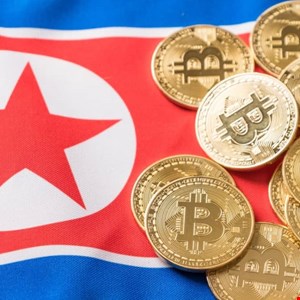
North Korea’s Cryptocurrency Heists Reach $6.7bn: A Look at the 2026 Crypto Crime Report
North Korea has been making headlines in the cryptocurrency world, with the hermit nation amassing over $6.7bn in crypto funds through targeted attacks on the industry over the past decade. According to Chainalysis, a blockchain analysis specialist, North Korea stole a record-breaking $2bn+ in 2025 alone, making them the biggest crypto threat actor in the market.
In the first excerpt from Chainalysis’ upcoming 2026 Crypto Crime Report, it was revealed that North Korea accounted for 60% of the funds stolen from January to early December 2025. The cyber-attack on Bybit, which led to a $1.5bn theft, marked the largest cryptocurrency heist in history. The report also highlighted that North Korean hackers tend to focus on large services to create maximum impact, with a record 76% of all service compromises attributed to them during the period.
One interesting tactic employed by North Korean threat actors is the embedding of IT workers within crypto services to gain privileged access and enable high-impact compromises. This approach has proven successful in accelerating initial access and lateral movement, leading to large-scale thefts.
When it comes to laundering the stolen funds, North Korean hackers have a preference for Chinese language services and networks. They also utilize cross-chain bridges, mixing services, and specialized platforms like Huione more than other threat actors in the space.
The report also shed light on the growing threat to individual cryptocurrency users in 2025. The number of recorded thefts tripled from the previous year, reaching 158,000 incidents, with unique victims increasing from 40,000 to 80,000. However, the total value stolen from individual victims decreased from $1.5bn to $713m in 2025. Personal wallet compromises accounted for 20% of all value stolen, down from 44% in 2024.
Ethereum and Tron were identified as the chains with the highest rates of theft, while Base and Solana saw lower rates despite having large user bases. Chainalysis noted that factors beyond technology, such as user demographics, popular applications, and criminal infrastructure, play crucial roles in determining theft rates across different cryptocurrency chains.
Overall, North Korea’s continued dominance in crypto crime highlights the need for increased security measures and vigilance within the industry. As cryptocurrency adoption continues to grow, individuals and businesses must remain cautious and take proactive steps to protect their digital assets from cyber threats.