

Image: https://www.globalnewslines.com/uploads/2026/01/1769189202.jpg
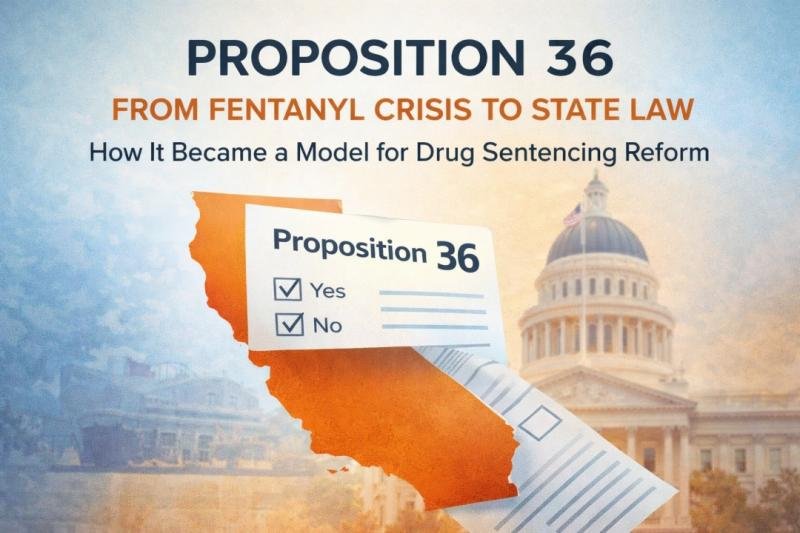
A newly released policy analysis examines how Proposition 36 evolved from a ballot initiative to an enacted state law in California, providing insights into the mechanisms through which public concerns, enforcement realities, and overdose trends influenced drug policy reform.
The report, titled “From Fentanyl to Proposition 36: How a Ballot Idea Became State Law,” analyzes the legal and political trajectory behind Proposition 36, with a focus on how ballot initiatives can act as policy accelerators when traditional legislative processes stall. Rather than focusing on political rhetoric, the analysis focuses on structural factors that contributed to the measure’s passage, including shifts in voter sentiment, law enforcement challenges, and the evolving fentanyl crisis.
Set against the broader context of drug policy reform in California and the United States, the report examines how Proposition 36 reflects changing public expectations around sentencing, accountability, and public safety. It also examines what the initiative could mean for future drug-related legislation at both state and national levels.
According to the analysis, Proposition 36 illustrates how voice-driven policymaking can emerge in response to perceived gaps between existing law and real-world conditions. The report outlines how overdose data, enforcement outcomes, and public discourse shaped the development and eventual adoption of the initiative, and provides a case study in the formation of modern drug policy.
The analysis is intended for policymakers, legal professionals, healthcare leaders, journalists and members of the public seeking a better understanding of how drug law is evolving in response to complex social and public health challenges. By documenting the journey from voting proposal to law, the report aims to contribute to an informed discussion about future approaches to drug policy and sentencing reform.
About the policy analysis
The report, “From Fentanyl to Proposition 36: How a Ballot Idea Became State Law,” is an independent public interest analysis that examines the legislative, legal, and societal factors that shaped the passage of Proposition 36. The analysis focuses on evidence-based assessment of policy development rather than advocacy, and provides context for ongoing discussions about drug policy reform in California and beyond.
Read the full article on Medium:
From Fentanyl to Proposition 36. How the fentanyl language was launched and… | by Adam Regiaba | LIGHTING | January 2026 | Medium [https://medium.com/illumination/from-fentanyl-to-proposition-36-how-a-ballot-idea-became-state-law-87fcbeff6b7f]
More general research and policy analyzes can be found at:
Adam Regiaba – Medium [https://regiaba.medium.com/]
Media contact
Company name: UPFRONT INC
Contact person: Adam Regiaba
Email: Send email [http://www.universalpressrelease.com/?pr=new-policy-analysis-examines-how-proposition-36-moved-from-ballot-initiative-to-state-law]
Country: United States
Website: https://regiaba.medium.com/
Legal Disclaimer: The information on this page is provided by an independent third party content provider. GetNews makes no guarantees, responsibility or liability for the accuracy, content, images, videos, licenses, completeness, legality or reliability of the information contained in this article. If you have any complaints or copyright issues related to this article and wish to have this article removed, please contact retract@swscontact.com
This release was published on openPR.