
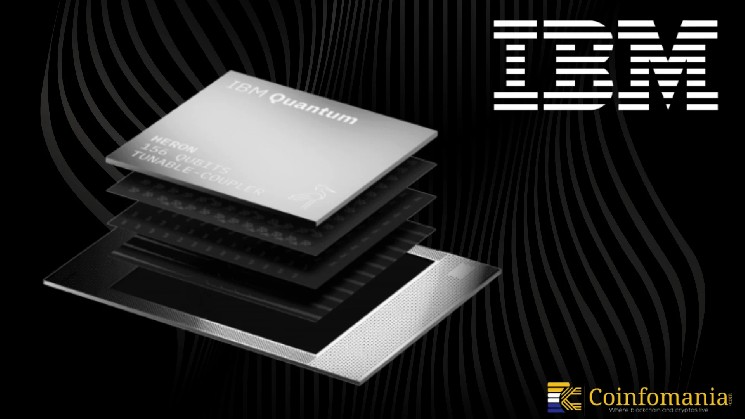
IBM has once again pushed the boundaries of computing innovation with the announcement of its Quantum Nighthawk chip, a next-generation processor designed for the future of quantum computing. The processor reportedly has the ability to conduct almost 5,000 two-qubit gates, which is a more than tenfold increase over previous generations, with the ambition to have around 15,000 two-qubit gates by 2028.
This leap in technology has sparked a new cycle of discussion and dialogue in technology and finance conversations. Yet its biggest promise isn’t really about computer performance; it’s actually about security against quantum cryptographic capabilities. Experts warn that as quantum computers mature and produce more and more capabilities, they could become increasingly threatening to existing encryption protocols used to protect everything from electronic payments to blockchain transactions.
The Nighthawk processor is a testament to IBM’s ambitions to become a market innovator in the race to develop quantum computers. Still, it raises a head-spinning discussion about security and data protection in the world where quantum systems can decipher our current concerns about data breaches in seconds.
🚨BREAKING: IBM unveils its most ADVANCED quantum chip that could impact #crypto security.
IBM Quantum Nighthawk is now running ~5,000 two-qubit gates and is targeting ~15,000 by 2028.
However, experts note that cracking the RSA-2048 crypto encryption would require almost a million qubits. pic.twitter.com/rOQJsArYXj
— Muntbureau (@coinbureau) November 12, 2025
Quantum power versus encryption standards
Quantum computing works on qubits, which, unlike traditional bits, can exist in multiple states simultaneously. This capability enables an exponential increase in computing power, allowing tasks that would take years for classical computers to be completed in minutes.
However, this same power poses a threat to current encryption algorithms. The widely used RSA-2048 encryption, which protects most online financial and crypto transactions, would theoretically require almost a million qubits to break. While IBM’s Nighthawk is still a long way from that level, the pace of progress has raised eyebrows in both the cybersecurity and crypto communities.
For now, quantum crypto security experts agree that such threats remain theoretical, but the timeline may be shortening. As chips like the IBM Quantum Nighthawk evolve, encryption protocols will have to evolve faster to keep up.
The race for quantum advantage
IBM has released a roadmap with an ambitious plan to scale up quantum systems to contain tens of thousands of qubits by the end of the decade. The error rate is significantly reduced and the coherence times of qubits are improved. The Quantum Nighthawk chip is an important step in this journey. This is a necessary threshold to move from theoretical advantages to quantum advantage in the real world.
This breakthrough in quantum computing increases competitive interests for technology giants, but the implications extend far beyond themselves to government and industrial sectors that rely significantly on secure communications networks. The implications of scalable quantum power impact everything from defense systems to decentralized finance.
Conclusion
The future of crypto security will closely monitor how quickly the blockchain ecosystem adapts to developments in quantum technology. The industry will need to invest in quantum-safe encryption, drive network protocols into the quantum age, and advance our understanding and mitigation of quantum vulnerabilities through institutional partnerships with IBM and others.
IBM’s advances in quantum computing shouldn’t be seen as a threat at this point – it’s a warning. The era of quantum domination is fast approaching, faster than expected, and it is time to develop defenses against it.