
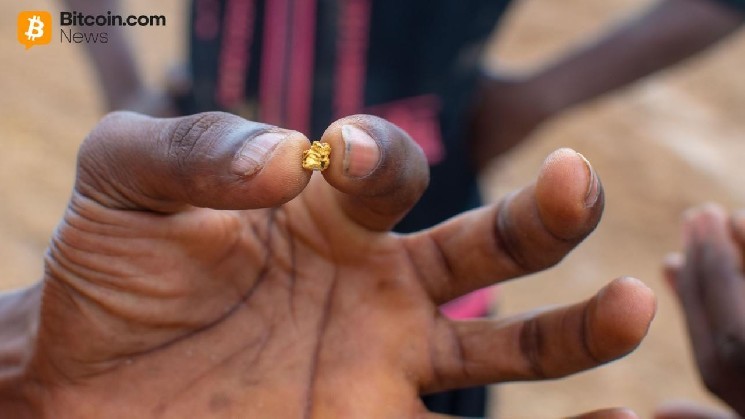
Ghana plans to overhaul its gold sector with a blockchain-powered track-and-trace system by the end of 2026, ensuring full traceability and certified origin of all gold exports.
Aggressive reforms and extended timeline
Ghana is preparing to overhaul its gold sector with the introduction of a blockchain-powered track-and-trace system by the end of 2026. The system is designed to ensure full traceability and certified origin of all gold purchased and exported from the country.
The announcement was reportedly made by Sammy Gyamfi, CEO of the Ghana Gold Board, during the Dubai Precious Metals Conference 2025 on November 24. The initiative is part of sweeping reforms aimed at cleaning up the artisanal and small-scale mining (ASM) sector and eliminating illegal mining from the gold supply chain.
Read more: Ghana’s central bank cancels expensive gold-for-oil swap program amid huge losses
Despite only being operational for seven months, the Gold Board is considering deploying the Track and Trace system. Gyamfi explained that the system will verify the legitimate and sustainable origin of every gram of gold processed and include compliance audits to prevent licensed mines from being used as fronts for illegal operations.
Gyamfi stated that the initiative is crucial in curbing gold smuggling, strengthening regulatory oversight and promoting measures against money laundering (AML) and the financing of terrorism (CTF). According to a report, the deployment of the blockchain-based system is not just a policy objective but a legal requirement enshrined in Section 31X of the Gold Board Act (Act 1140).
Gyamfi revised the original target date for the system’s launch – previously announced for the first quarter of 2026 – and extended the timeline to the end of 2026 to allow for extensive procurement and implementation processes.
The CEO, meanwhile, has been quoted in a local report highlighting ASM’s crucial role in Ghana’s economic recovery by 2025. The sector contributed 90 tons of gold, representing about 53% of the country’s total gold exports, and generated over $9 billion in foreign exchange. The ASM sector now supports more than one million jobs.
However, Gyamfi warned that unregulated and illegal mining still poses a significant threat to Ghana’s rivers, forests and public health. To address this, the Gold Board has stepped up enforcement by creating a special task force that has arrested and prosecuted several illegal traffickers. The board is also investing in an International Organization for Standardization (ISO) certified testing laboratory to modernize gold testing across the ASM value chain.
Call for a global certification regime
Describing gold smuggling as a major driver of money laundering, Gyamfi urged the international community to support the establishment of a global certification regime – similar to the Kimberley Process for diamonds – to prevent smuggled gold from entering legitimate markets.
He called on key international bodies, including the Dubai Multi Commodities Center (DMCC), the OECD, the London Bullion Market Association (LBMA) and the World Gold Council, to support developing countries in their efforts to formalize the ASM sector.
The Gold Board reforms, which came under President John Dramani Mahama’s pledge for responsible mining, have already boosted Ghana’s economy, contributing to a 35 percent appreciation of the cedi this year and a trade surplus of $2.1 billion. The Gold Board and Precious Minerals Marketing Company generated more than $8 billion from small-scale gold exports between January and October 15, 2025 – a 75 percent increase over the total for all of 2024.
Frequently asked questions 💡
- What is Ghana’s new gold initiative? A blockchain-powered Track and Trace system to certify all gold exports by 2026.
- Why was the launch timeline extended? The rollout was moved to the end of 2026 to allow for full procurement and deployment.
- How important is ASM to the Ghanaian economy? Artisanal mining produced 90 tons in 2025, earned $9 billion and supported 1 million jobs.
- What global support is Ghana seeking? A certification regime like the Kimberley Process to prevent smuggled gold from entering the markets.