
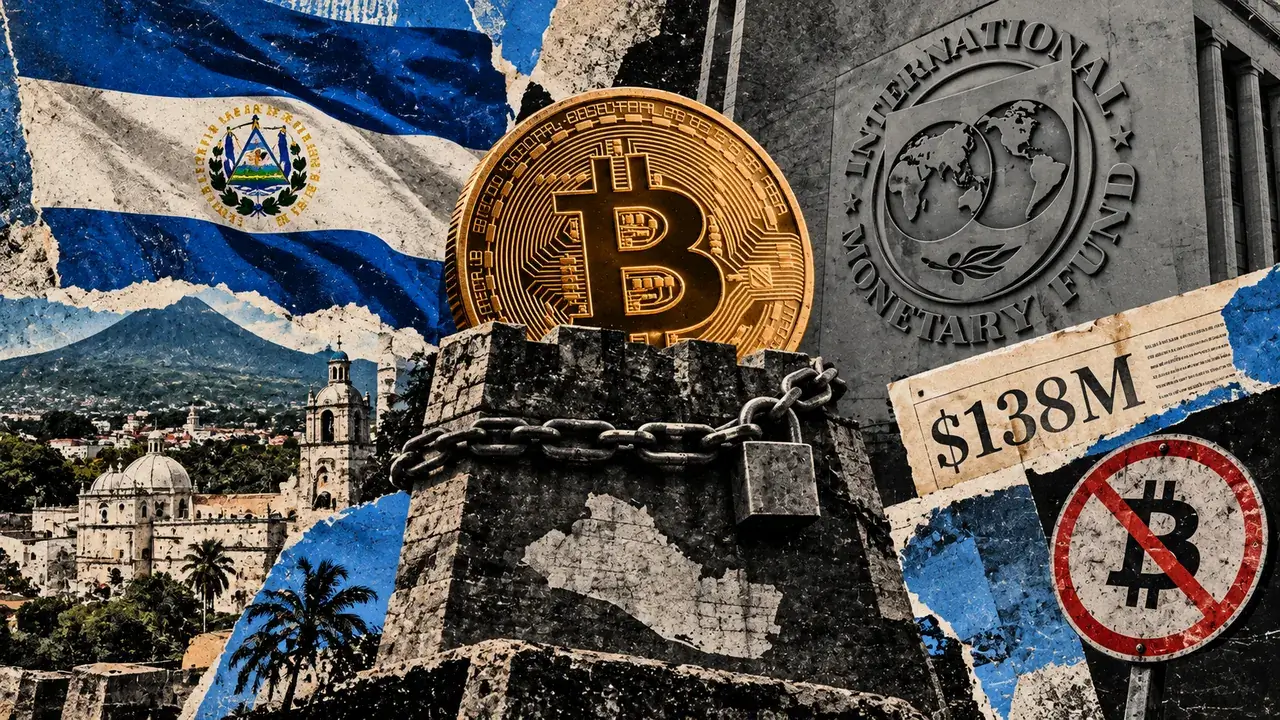
El Salvador recently received access to $138 million from the International Monetary Fund (IMF) as part of its $1.4 billion loan program. This disbursement comes after the completion of the second and third reviews, allowing the country to receive immediate financial support.
The IMF granted waivers for unmet performance criteria related to Bitcoin accumulation, after the government took corrective measures and reaffirmed its commitments. Despite previous breaches, the financing will continue to flow, but the restrictions on further state Bitcoin accumulation remain in place.
El Salvador currently holds approximately 7,794.37 Bitcoin valued at around $666.1 million. The size of this reserve has raised concerns, as additions to government-linked wallets do not align with the IMF agreement. The distinction between Bitcoin acquired with public funds and coins received through donations remains crucial, with reserve balances able to increase without indicating that the government has resumed purchasing Bitcoin.
The IMF emphasized the need for El Salvador to enhance disclosure of public-sector crypto holdings, improve regulation and governance for digital-asset providers, and make any necessary amendments to its Digital Asset Issuance Law. These measures, along with the commitment to refrain from government-funded Bitcoin accumulation, are key components of the ongoing program.
The government’s reduced ability to expand its Bitcoin reserve using its balance sheet, coupled with the increasing value of its existing holdings due to rising BTC prices, underscores the importance of complying with IMF requirements. Future reviews will assess El Salvador’s progress in unwinding the remaining public-sector exposure, implementing transparency reforms, and documenting changes in its Bitcoin balance.
Overall, the IMF’s decision to disburse $138 million to El Salvador reflects a balance between financial support and the need for the country to adhere to agreed-upon conditions regarding Bitcoin accumulation. This ongoing relationship will continue to shape El Salvador’s financial and regulatory landscape in the coming months.