
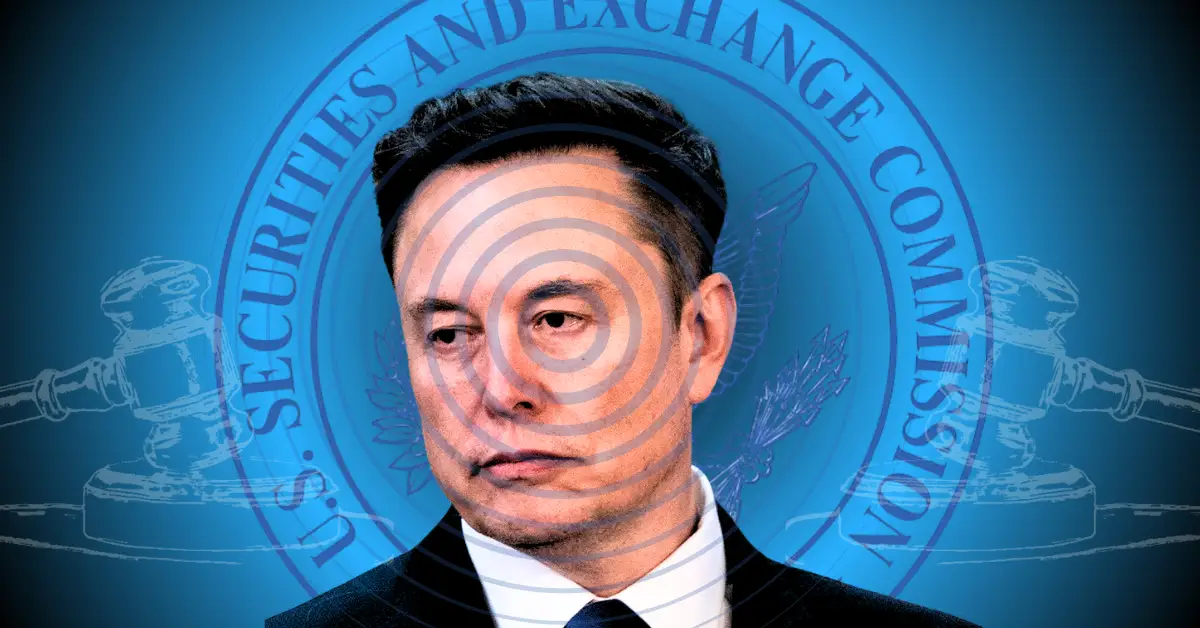
The U.S. government’s Department of Government Efficiency, commonly known as DOGE, has made up its mind early and largely unannounced ending. The initiative was established in January during Trump’s second term and was set to run until July 2026.
Instead, it was quietly closed eight months earlier, despite a highly publicized launch and strong social media promotion from Donald Trump and Elon Musk.
A daring start that quickly faded
DOGE was promoted as an important step to reduce government waste, and the government highlighted it as a major victory. Even as criticism grew, Elon Musk insisted the department was “extremely transparent” and delivered real savings.
But after his public spat with Trump earlier this year, Musk distanced himself from Washington. By May he had effectively distanced himself from the project. He has not publicly commented on DOGE’s closure, but his silence strongly suggests that he no longer supports or participates in it.
Musk had previously posted regular updates about DOGE claimed it had saved tens of billions in federal spending, but analysts pointed out that there was no clear public accounting to verify these claims.
Over time the effort decreased. In early fall, Scott Kupor, director of the Office of Personnel Management, confirmed what many suspected: DOGE “no longer exists” and no longer operates as a separate entity. The OPM has since assumed many of its responsibilities.
Staff and projects move to other agencies
Although DOGE as an agency is gone, many of its key figures still remain in government roles. Joe Gebbia, co-founder of Airbnb and a key contributor to DOGE, now heads the National Design Studio, which aims to improve the design of federal websites. Other former DOGE personnel have moved on to senior positions in the health care, defense and foreign aid departments.
Amy Gleason, who briefly served as acting head of DOGE, is now a consultant at Health and Human Services. Zachary Terrell has become chief technology officer in the same department, and Rachel Riley has moved to the Office of Naval Research. These transitions demonstrate that although DOGE was disbanded, its staff was quickly absorbed into established agencies.
- Also read:
- Coinpedia Digest: This Week’s Crypto News Highlights | November 22, 2025
- ,
Crypto market reaction
Analyst cautious notes that the closure of DOGE has caused mixed reactions in the markets. The closure raises concerns about contract cuts, reductions in foreign aid and risks to federal contractors. It has also led to political reactions to DOGE’s aggressive policies. The news has also spilled over into crypto discussions, as DOGE’s shutdown unexpectedly draws attention to Dogecoin’s speed and payment use cases, potentially increasing short-term volatility.
What comes next?
Although DOGE is no more, some objectives remain. The White House is still exploring ways to cut federal regulations, and AI-based reviews of government regulations are underway. Musk has also been spotted in Washington, where he attended a White House dinner with Saudi Crown Prince Mohammed bin Salman.
DOGE’s meteoric rise and quiet fall leave a mixed legacy, ambitious in vision, dramatic in presentation, but ultimately short-lived in execution.
Never miss a beat in the Crypto world!
Stay informed with breaking news, expert analysis, and real-time updates on the latest trends in Bitcoin, altcoins, DeFi, NFTs, and more.
Frequently asked questions
Yes. DOGE has been disbanded and its responsibilities transferred to existing federal agencies.
DOGE closed early due to slowing progress, declining support, and a quiet shift of its work to other agencies.
DOGE claimed large savings, but no confirmed public data has been released to verify the actual amount.
About 200,000 federal employees were laid off and 75,000 took voluntary readmissions by 2025, the largest reduction in the federal workforce since World War II.
A full return is unlikely, but parts of the mission can continue thanks to continued efficiency and AI evaluation efforts.
Trust CoinPedia:
CoinPedia has been providing accurate and timely cryptocurrency and blockchain updates since 2017. All content is created by our expert panel of analysts and journalists, following strict editorial guidelines based on EEAT (Experience, Expertise, Authoritativeness, Trustworthiness). Each article is fact-checked from reputable sources to ensure accuracy, transparency and reliability. Our review policy ensures unbiased evaluations when recommending exchanges, platforms or tools. We aim to provide timely updates on everything crypto and blockchain, from startups to industry majors.
Investment Disclaimer:
All opinions and insights shared represent the author’s own views on current market conditions. Please do your own research before making any investment decisions. Neither the writer nor the publication accepts responsibility for your financial choices.
Sponsored and Ads:
Sponsored content and affiliate links may appear on our site. Ads are clearly marked and our editorial content remains completely independent from our advertising partners.