

One of the more overlooked sectors within the cryptocurrency industry is Payment Finance (PayFi), which converges blockchain with real-world payments. PayFi is often referred to as DeFi’s natural cousin because it focuses on everyday financial transactions rather than just on-chain trading.
This trend continues to grow as traditional financial institutions rush to partner with PayFi coins as if the future of their business model depends on it. However, one crypto presale startup, Digitap ($TAP)proves to investors that it belongs to the top altcoins to buy because it does everything banks and money transfers do, but at a lower cost, better and faster.
Below is a list of the top six best cryptos to buy who have been exposed to PayFi:
1. Digitap ($TAP): A crypto ‘omnibank’ that allows users to send, receive, hold and spend both fiat and crypto.
2. Ripple (XRP): A payments-oriented altcoin used by financial institutions.
3. Stellar (XLM): A blockchain built for cheap, near-instant money transfers.
4. Remittix (RTX): A PayFi project that converts crypto transfers into fiat.
5. Alchemy Pay (ACH): A fiat crypto payment gateway for merchants and individuals.
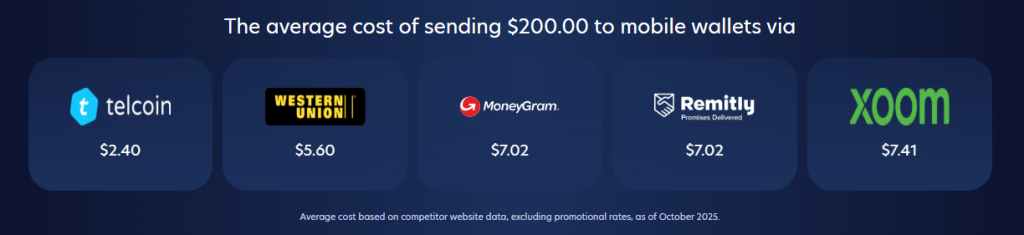
6. Telcoin (TEL): A fintech company that offers mobile payments and transfers.
Digitap’s utility puts it on Crypto to Buy Now lists
Digitap is a next-generation ‘omnibank’ designed to harness the power of cryptocurrencies and blockchain to help users send money cheaper and faster. Digitap’s banking app allows users to hold multiple currencies through offshore IBAN accounts and supports over 100 cryptocurrencies.
Digitap focuses its business model directly on money transfers. Using an AI-powered payment rail, Digitap allows users to pay or send money to friends and family in seconds and at a cost of less than 1%. In contrast, outdated and slow institutions like MoneyGram or Western Union charge an average of 6.2% and can take days for the money to arrive.
The banking app also allows users to spend their money directly on a Visa debit card by pre-loading money from their account. What this means is that a Digitap user can use Bitcoin to transfer money to family abroad, and spend it almost instantly anywhere Visa cards are normally accepted.
By serving individuals and providing a complete banking experience, Digitap sets the tone for what competing PayFi altcoins should be. Digitap is making borderless banking more accessible, and this could drive tremendous growth for investors.
Why deflationary design can increase buoyancy as users grow
Based on the early success of Digitap cryptocurrency presale of its native token $TAP, observers have reason to conclude that this is the best PayFi crypto to buy now. Digitap’s pre-sale will take place in several phases, with the price of $TAP increasing after each phase sells out.
The price is currently trading at $0.0313 and has more than doubled from its first round of $0.0125. Investors have indeed missed early gains, but Digitap has confirmed that it expects to list its token at $0.14 when it goes public. This means that investors can still benefit from a price discount of around 80%.
Notably, $TAP’s tokenomics are built for long-term appreciation. The supply is capped at 2 billion tokens and 50% of the platform’s profits will be used to buy back and burn $TAP. This deflationary model means that circulating supply will shrink as Digitap’s user base and transaction volume grow.

XRP Banking Deals Are Expanding, But 2025 M&A Clouds the Story
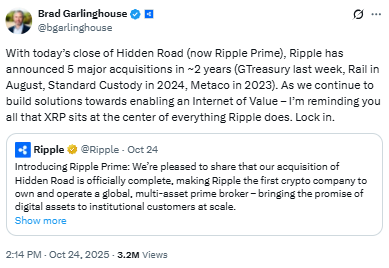
Ripple’s XRP is the original champion of crypto payments. For nearly a decade, XRP dominated as the leading blockchain for fast, low-cost transfers. It has established key partnerships with major banks and payment providers worldwide.
Ripple continues to expand its network of partners for CBDCs and remittances. But the company hasn’t given investors many reasons to get excited, even spending $2.4 billion to acquire several companies in 2025. This is a signal to the market that it is either losing focus or losing market share to newer and more agile rivals.
Stellar makes cheap transfers possible, but lacks direct user reach
Stellar is often referred to as XRP’s cousin and was even created by Ripple co-founder Jed McCaleb. The Stellar network focuses on cross-border money transfers and is optimized for fast and cheap transactions. Many still consider Stellar as the ideal partner for remittances and micropayments.
Recently, MoneyGram leveraged the Stellar network to power its stablecoin transfers in some markets, including Colombia. While Stellar deserves a lot of credit for being an early pioneer and setting the tone for the PayFi sector, it lacks the direct consumer exposure that rivals offer.
After all, consumers do not want to use intermediaries for cross-border payments; they want the power to do it themselves and on their own terms. This reality is reflected in XLM’s price action, which has not produced a profit in the past eight years.
Remittix converts crypto to Fiat: consumer control is limited
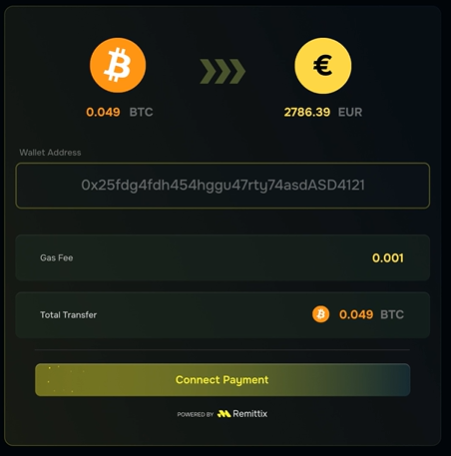
Remittix is a newer emerging PayFi altcoin that builds a blockchain-based platform to send crypto to bank accounts. The business model combines DeFi with the traditional banking system and is active in more than 30 countries.
However, the project still fails to enable consumers to do what they want with their money. Many recipients want to receive and hold payments in crypto, rather than have a sender dictate that it be automatically converted to cash. Additionally, Remittix lacks value-added services that really help consumers, such as integration with a major payment card like Visa.
Alchemy Pay Bridges Fiat and Crypto Behind the Scenes
Alchemy Pay acts as a payment gateway that allows on- and off-ramps between fiat and crypto. Alchemy Pay’s infrastructure supports more than 50 fiat currencies and more than 100 cryptocurrencies. Essentially, this allows anyone to buy crypto with a credit card or help merchants accept crypto payments and convert them to fiat.
However, its role is primarily that of a behind-the-scenes processor, and users still interact via third-party platforms, rather than through a unified and proprietary app experience. As PayFi evolves and investors hunt for leadership crypto to buy nowthe trend favors projects that control the entire user journey rather than just the payment rails.

Telcoin is building Phone-First Rails, but the timelines are long
Telcoin is a project with a vision to create the ‘Internet of Money’ by using mobile phone networks to offer financial services to anyone with a phone. Telcoin partners with telecom operators and e-wallet providers to enable fast and cheap money transfers.
Telcoin has plans to issue a bank-backed USD stablecoin called eUSD after securing a Digital Asset Bank charter in the state of Nebraska. Much of this vision requires following complex regulations, while adhering to a bank charter translates into long rollout times.
In the rapidly changing PayFi market, investors prefer projects that already offer a complete banking experience today.
Digitap leads PayFi with live app, Visa Rails and Burns
All six of these altcoins to buy can tap into huge markets ranging from cross-border payments to mobile banking. But the convergence of crypto and real finance is creating an exciting opportunity for crypto presale projects.
Companies like Digitap want to redefine what the future of the PayFi industry should look like, but they are already doing so. Sending payments and money across borders can save users 5 percentage points, and this saves a lot of money, especially for those living in poorer countries who feel every dollar in fees. For many, that difference is not a nice feature; it’s the difference between paying the rent, buying groceries, and buying their children’s school supplies.
Digitap’s live app, Visa integration, and deflationary tokenomics give $TAP a credible path to scale that most PayFi rivals can only dream of or will strive to achieve for years.
Digitap is live NOW. Read more about their project here: