
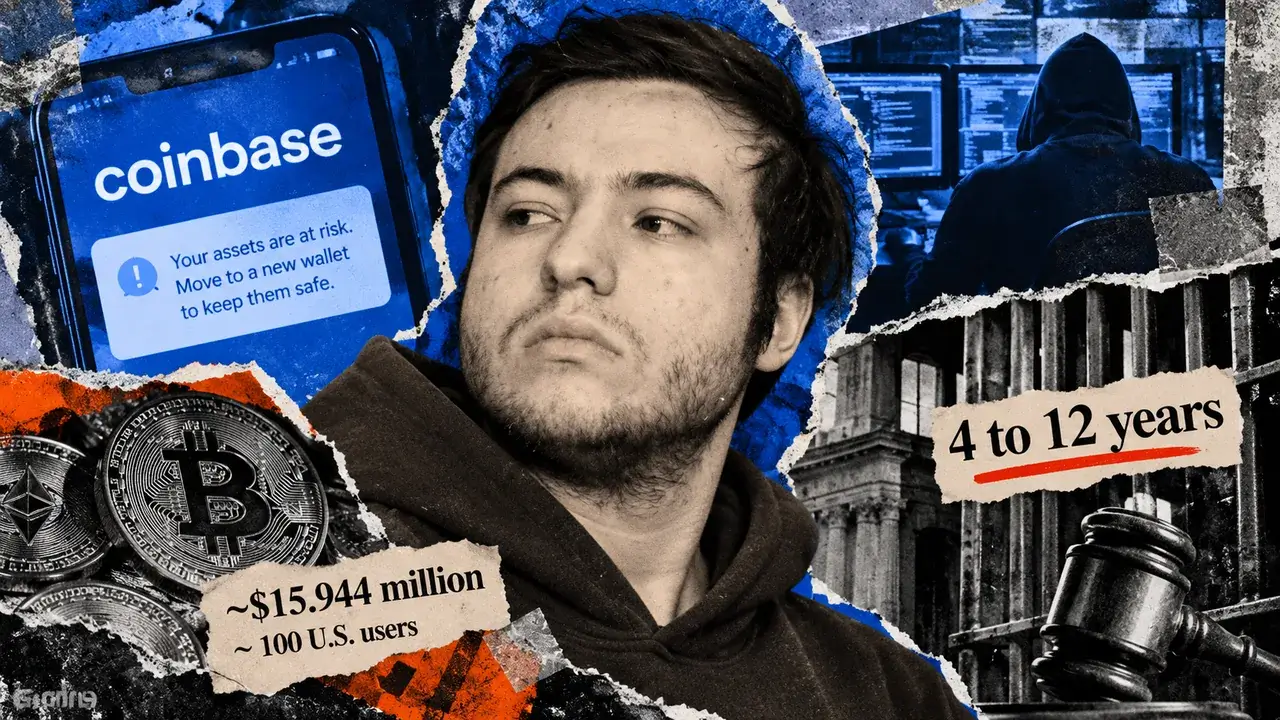
A recent case involving a Brooklyn man sentenced to up to 12 years in prison for stealing nearly $16 million from Coinbase users has shed light on the dangers of impersonation scams in the cryptocurrency world. Ronald Spektor, 23, was charged with a 31-count indictment after running a fake customer-support operation that targeted around 100 people in the US.
Spektor posed as a Coinbase representative and convinced users that their accounts were under threat from hackers. He instructed victims to transfer their cryptocurrency to supposedly secure wallets that were actually accessible to him. This scheme resulted in losses totaling $15.944 million, with some victims losing over $1 million each. Spektor pleaded guilty to charges including money laundering, grand larceny, and possession of stolen property.
The scam relied on victims transferring their assets themselves after being manipulated into believing their funds were in immediate danger. One victim from Pennsylvania received fake two-factor authentication messages and was then contacted by someone claiming to be from Coinbase security. The victim lost around $53,150 after moving his assets as instructed.
Investigators discovered that Spektor laundered the stolen cryptocurrency through various exchanges, swaps, and mixing services before converting it into cash. He also used the funds for gambling, buying gift cards, and other online purchases. Blockchain analysis and search warrants linked Spektor to the operation, with evidence showing his involvement in recruiting other social engineers and boasting about his thefts on a Telegram channel.
Despite prosecutors seeking a longer sentence, Spektor received a four-to-12-year term as part of a plea deal. He was ordered to forfeit over $500,000 in cash, cryptocurrency, and personal property, and to pay restitution of nearly $16 million. However, the amount recovered represents only a fraction of the losses, leaving the victims’ recovery uncertain.
Coinbase advises customers to be wary of support staff asking for fund transfers, seed phrases, passwords, or authentication codes. This case highlights the challenge exchanges face in preventing impersonation scams that deceive users before they can seek help from official support channels.