
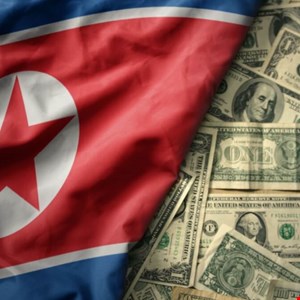
North Korea-backed threat actors have been on a rampant spree, stealing over $2 billion in cryptocurrency this year alone to finance the hermit state’s missile and nuclear weapons programs, as revealed by new blockchain analysis. This staggering figure marks the highest annual tally for North Korean hackers, with three months still remaining in 2025. In total, they have siphoned off more than $6 billion in crypto to support the autocratic regime, according to findings from London-based blockchain analysis firm, Elliptic.
The surge in losses this year can be largely attributed to the $1.46 billion heist from cryptocurrency exchange Bybit in February. Other notable thefts linked to North Korea in 2025 include those suffered by LND.fi, WOO X, and Seedify. Elliptic has identified over 30 additional hacks carried out by North Korea so far this year. This year’s total surpasses last year’s figure threefold and exceeds the previous record of $1.35 billion in 2022, which was fueled by attacks against Ronin Network and Harmony Bridge.
While crypto-exchanges remain the primary targets of these attacks, the report highlights a growing trend of high-net worth individuals being targeted as well. Elliptic notes that the majority of hacks in 2025 have been executed through social engineering tactics, where hackers manipulate individuals to gain access to cryptocurrency. This shift signifies a move away from exploiting technical vulnerabilities in crypto infrastructure to focusing on human vulnerabilities as the primary security weakness in cryptocurrency.
Elliptic also emphasizes that despite blockchain’s inherent transparency, North Korea has been improving its ability to conceal its tracks through sophisticated cryptocurrency laundering techniques. These tactics include multiple rounds of mixing and cross-chain transactions, utilizing obscure blockchains with limited analytics coverage, redirecting assets to fresh wallets through refund addresses, and issuing and trading tokens directly through laundering networks.
In the ongoing arms race of cryptocurrency laundering, North Korea continues to innovate and adapt, posing a significant challenge for cybersecurity and law enforcement agencies. The use of advanced techniques to obfuscate the origins and movement of illicit funds underscores the need for enhanced vigilance and collaboration within the cryptocurrency ecosystem to combat these threats effectively.