
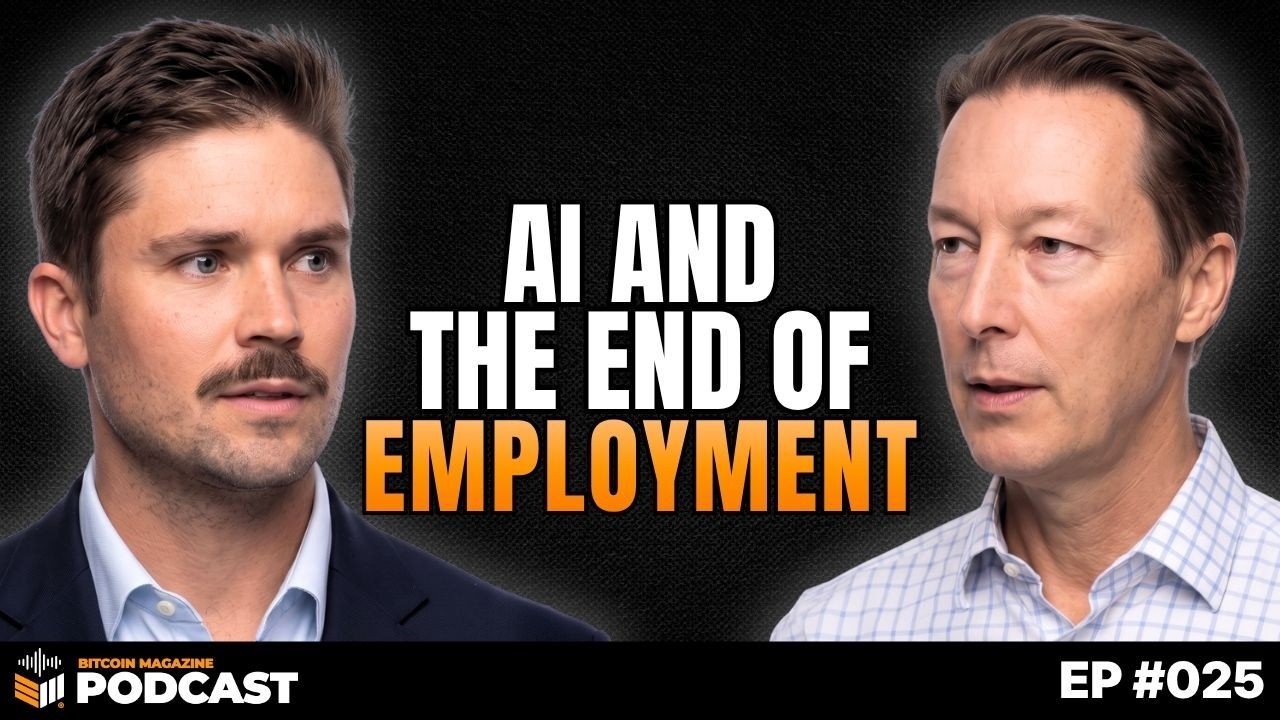
The impact of Artificial Intelligence (AI) on the workforce is undeniable, but the question remains: can AI replace the human entrepreneur? Per Bylund, a Senior Fellow at the Mises Institute, sheds light on this topic and explains why AI, while a powerful statistical engine that enhances efficiency, falls short in terms of envisioning the future. Bylund argues that we are transitioning from an employment-based economy to an entrepreneurship-driven economy, and delves into what this shift means for jobs, innovation, and the creation of value.
In a recent discussion with Spencer Nichols, Bylund explored various facets of Austrian Economics in relation to AI, innovation, and entrepreneurship. He emphasized that AI, while capable of streamlining processes and increasing productivity, lacks the creative spark and intuition that are essential for entrepreneurial endeavors. Bylund posits that true innovation stems from human ingenuity and the ability to think outside the box, qualities that AI simply cannot replicate.
One key distinction that Bylund highlights is the difference between invention and innovation, drawing parallels with the emergence of Bitcoin. While the invention of Bitcoin was a technological breakthrough, it was the entrepreneurial spirit behind its adoption and integration into the financial landscape that truly drove innovation in the cryptocurrency space. This serves as a prime example of how human entrepreneurship plays a pivotal role in shaping the impact of technological advancements.
As the landscape of the economy evolves, Bylund predicts a shift towards an entrepreneurship-focused economy, where individuals take on more proactive and innovative roles in creating value. This transition poses challenges for regulators, who must adapt to the rapid pace of technological change and ensure that policies keep up with the dynamic nature of AI-driven industries.
Bylund also touches on the implications of remote work, capital controls, and the future of money in a digital age. He emphasizes the importance of voluntary trade, highlighting that every transaction has the potential to benefit both parties involved. Furthermore, Bylund discusses the ongoing competition between the individual and the state in the global arena, particularly in the context of US-China relations.
The conversation extends to the impact of protectionism on industries such as steel and sugar, shedding light on the lobbying efforts behind such policies. Bylund also delves into the realm of AI ethics, discussing the potential for regulatory capture and the implications of organizations like OpenAI and Anthropic in shaping the future of AI development.
It is important to note that the views expressed in this discussion are those of the participants and do not necessarily reflect the official stance of BTC Inc., Bitcoin Magazine, or any affiliated entities. The content is intended for informational and educational purposes only, and viewers are advised to consult their own advisors before making financial or business decisions.
In conclusion, while AI continues to revolutionize the way we work, the human entrepreneur remains irreplaceable in driving innovation and value creation. Bylund’s insights underscore the importance of embracing entrepreneurship in an increasingly digital and AI-driven economy, paving the way for new opportunities and challenges in the world of business and technology.