
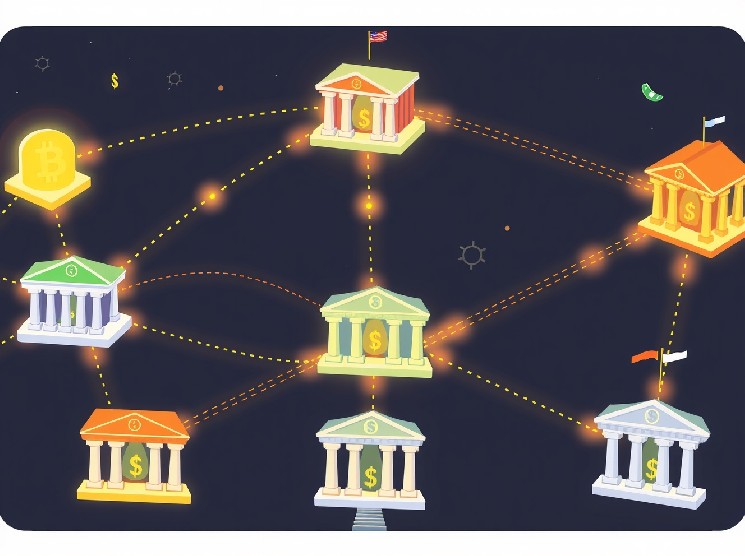
In an important step for blockchain interoperability, the Ontology network has officially joined the Circle Alliance Program. This partnership represents a major step toward combining decentralized technology with the broader global financial system. For crypto enthusiasts and developers, this partnership opens new doors for usability and adoption.
What is the Circle Alliance Program?
Launched in November 2023, the Circle Alliance Program is an international consortium with a clear mission: building a more open and efficient internet financial system. The members come from various sectors, including:
- Fintech innovators
- Traditional banking institutions
- Global payment processors
- Leading Web3 companies and protocols
By bringing these players together, the program therefore aims to build seamless bridges between digital and traditional finance.
Why is Ontology membership so important?
Ontology is not just a blockchain. It is a powerful layer 1 network known for its strong focus on decentralized identity and data solutions. His entry into the Circle Alliance Program is strategic for several reasons.
First, it provides Ontology with direct access to Circle’s robust infrastructure, specifically for USDC, the world’s largest regulated digital dollar. This could streamline the integration of stablecoin transactions and DeFi applications into the Ontology chain.
Moreover, collaboration with other alliance members accelerates practical examples of use. Imagine using your verifiable Ontology digital identity to access financial services powered by USDC across platforms. This alliance makes such interoperability a tangible goal.
What are the main benefits and challenges?
This partnership promises multiple benefits for the Ontology ecosystem and its users.
Main benefits:
- Improved liquidity: Easier access to USDC can attract more developers and users to build and transact on Ontology.
- Increased legitimacy: Joining a consortium of established financial players increases institutional confidence in the network.
- Faster innovation: Joint development can lead to new instruments for cross-chain financing and identity-verified transactions.
However, challenges remain. Integrating with traditional finance requires navigating complex regulatory landscapes across jurisdictions. Furthermore, the success of such alliances depends on seamless technical execution and widespread adoption by all members.
What does this mean for the future of Web3 Finance?
The inclusion of a blockchain such as Ontology in the Circle Alliance Program is a powerful indicator of where Web3 is going. It underlines a shift from isolated blockchain ecosystems to interconnected networks that work alongside traditional systems.
For users, this means that more reliable and well-known financial instruments, such as USDC, become readily available within decentralized applications. For the industry, it represents a maturation phase where collaboration trumps competition in building the foundational layers of the new Internet economy.
Conclusion: a convincing step forward
The alliance between Ontology and the Circle Alliance Program is more than a simple announcement of a partnership. It is a strategic maneuver that strengthens the bridge between the innovative potential of blockchain and the practical needs of the global financial sector. This move not only increases the usefulness of Ontology, but also significantly contributes to the vision of a unified, efficient and accessible digital financial system for all.
Frequently Asked Questions (FAQs)
Question 1: What is the primary purpose of the Circle Alliance Program?
A1: The program aims to develop an open financial system on the Internet by promoting cooperation between fintech, traditional finance and Web3 companies.
Question 2: How does Ontology benefit from participating in this alliance?
A2> Ontology will gain access to Circle’s financial infrastructure, including USDC integration, which can increase liquidity, developer activity and institutional credibility on its network.
Question 3: Does this mean ONT token holders will get an airdrop?
A3: The announcement is about strategic partnership and integration. There are currently no indications of an airdrop for ONT holders.
Question 4: Will this partnership impact Ontology’s focus on decentralized identity?
A4> Not negative. In fact, it might strengthen it. The alliance provides a larger platform to integrate Ontology’s identity solutions with real-world financial applications and stablecoins.
Question 5: Are other blockchains part of the Circle Alliance program?
A5: Yes, the program contains various Web3 protocols and companies. Ontology membership emphasizes its specific value proposition in the areas of identity and data.
Question 6: What should Ontology developers do next?
A6: Developers should monitor Ontology and Circle’s official channels for technical documentation and updates on new tools or APIs related to USDC and cross-chain services enabled by this alliance.
Did you find this insight into Ontology’s strategic move useful? with your network on X (Twitter) or LinkedIn to discuss what this means for the future of blockchain interoperability and finance!
To learn more about the latest trends in blockchain adoption, check out our article on the key developments shaping institutional adoption and tokenization of assets in the real world.
Disclaimer: The information provided is not trading advice, Bitcoinworld.co.in is not liable for any investments made based on the information on this page. We strongly recommend independent research and/or consultation with a qualified professional before making any investment decisions.