
Could Trump’s $5,000 Stimulus Proposal Spark a Bitcoin Bull Run?
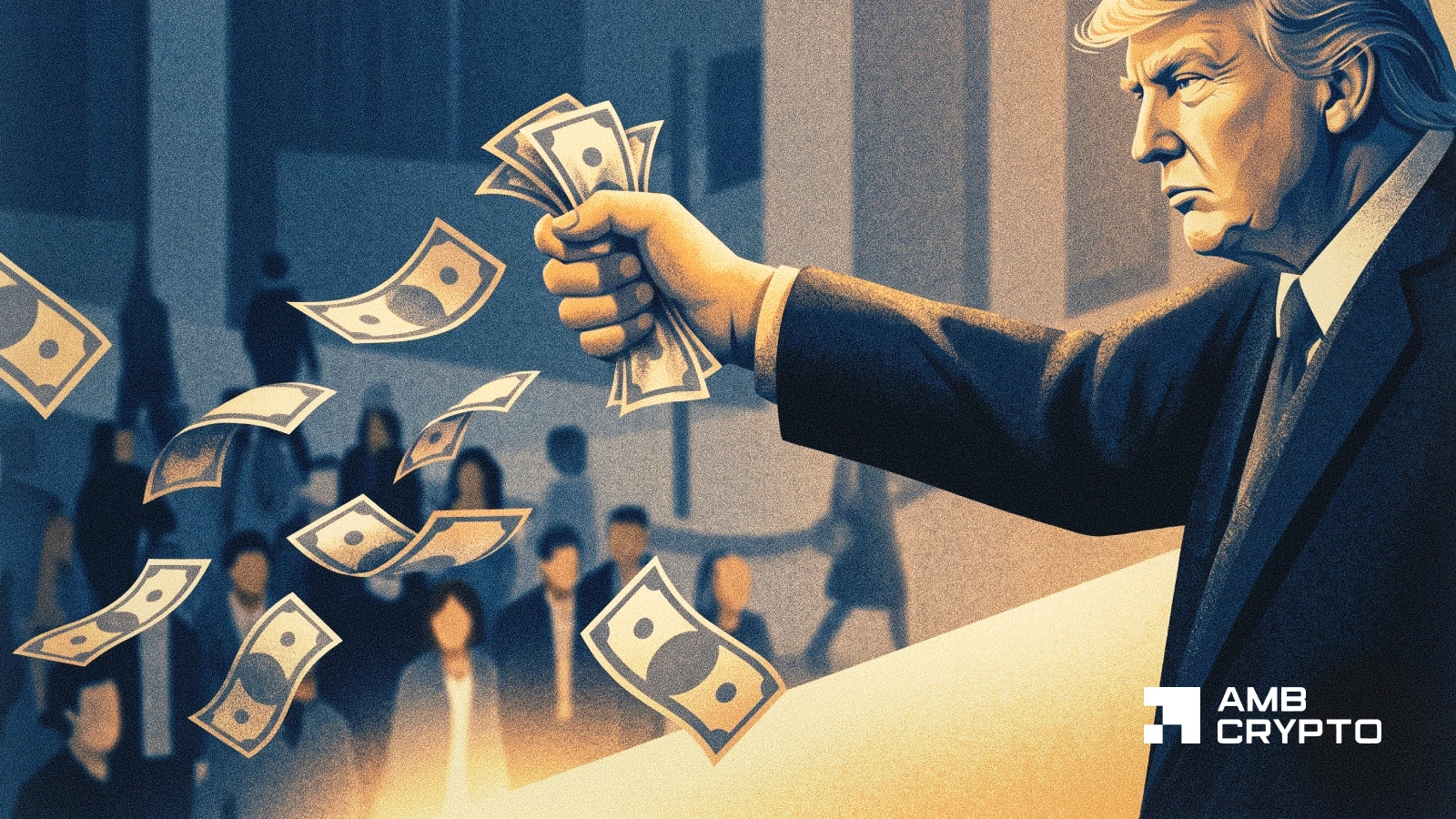
U.S. President Donald Trump recently made a bold promise to give every American $5,000 if the Republicans secure both chambers of Congress in the upcoming midterm elections. This proposed injection of cash into the economy has sparked speculation about its potential impact on various asset classes, including cryptocurrencies like Bitcoin.
From an economic standpoint, the influx of liquidity resulting from Trump’s stimulus plan could serve as a significant catalyst for a surge in the value of risky assets. The head of DWF Labs has highlighted the magnitude of this proposal, noting that the $5,000 payout would be approximately 150% of the COVID-19 stimulus checks distributed earlier.
If even a portion of this new liquidity flows into the crypto market, it has the potential to fuel speculative demand and trigger a risk-on cycle reminiscent of the surge witnessed in 2020-2021.

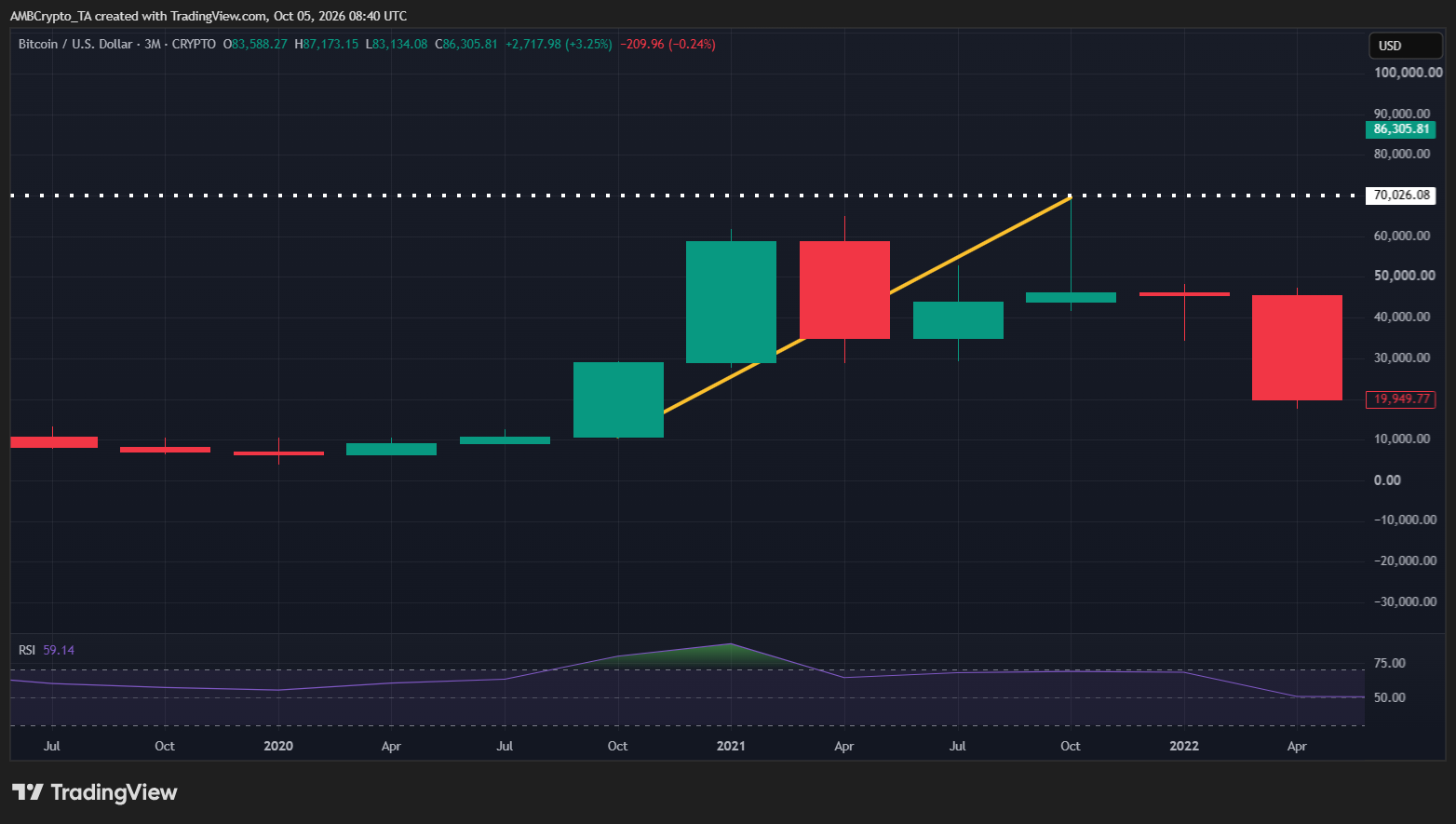
To assess the potential impact of Trump’s stimulus proposal on Bitcoin, it is instructive to examine the market dynamics during the 2020/21 cycle. During this period, Bitcoin surged past $20,000 in December 2020 and more than doubled to reach around $42,000 by January 2021.
This surge was largely fueled by increased institutional interest, with companies like MicroStrategy and Square acquiring Bitcoin and platforms like PayPal offering crypto services. By the first half of 2021, Bitcoin had surpassed $60,000 and peaked at nearly $69,000 in November.
Therefore, if a fresh wave of cash enters the market and a portion of it flows into risk assets like Bitcoin, it could trigger a liquidity-driven demand surge similar to the one witnessed in the previous bull cycle.
Is Institutional Demand Driving Bitcoin’s Growth?
The sustained interest from institutional investors in Bitcoin suggests a strategic accumulation of the digital asset at current price levels. Figures like Michael Saylor continue to signal their bullish stance on Bitcoin, often serving as a precursor to significant purchases.
Additionally, major financial institutions like BlackRock’s IBIT have been actively increasing their exposure to Bitcoin, with recent net accumulations totaling around $1.57 billion in just a month.
Moreover, the Federal Reserve’s planned injection of $5.8 billion into the markets further underscores the positive sentiment surrounding Bitcoin. The cryptocurrency has maintained its position above $80,000 for two consecutive weeks, indicating strong buyer support at key levels.
These developments point to a robust institutional demand for Bitcoin, a trend that is significantly more pronounced than in the previous bull cycle.
In summary, the convergence of institutional buying pressure and the potential influx of fresh capital from Trump’s proposed $5,000 stimulus package could set the stage for a significant uptrend in Bitcoin and other risk assets. As investors await the outcome of the midterm elections, all eyes are on how these developments will shape the crypto market in the near future.
It is no secret that the world is facing a crisis unlike any other in recent history. The COVID-19 pandemic has brought the global economy to a standstill, disrupted daily life for billions of people, and claimed the lives of hundreds of thousands. As countries around the world scramble to contain the spread of the virus and mitigate its impact, one thing is clear: the world will never be the same.
In the midst of this crisis, there is a glimmer of hope. The pandemic has forced us to reevaluate our priorities, rethink the way we do business, and come together as a global community. It has shown us the importance of solidarity, compassion, and resilience in the face of adversity. And it has given us an opportunity to build a better, more sustainable future for all.
One of the most significant changes brought about by the pandemic is the shift towards remote work. With millions of people forced to work from home to comply with social distancing measures, companies have had to adapt quickly to ensure that their employees can continue to work productively. This shift has proven that remote work is not only possible, but in many cases, preferable to traditional office-based work.
Remote work offers a number of benefits, both for workers and employers. For workers, it provides greater flexibility and work-life balance, eliminates the need for long commutes, and reduces the stress of juggling work and family responsibilities. For employers, it can lower overhead costs, increase productivity, and attract top talent from around the world.
As more companies embrace remote work, we are likely to see a shift in the way we think about the workplace. Traditional office spaces may become less common, as companies opt for smaller, more flexible workspaces that can accommodate remote workers when needed. This could lead to a decrease in the demand for commercial real estate and a rise in the popularity of co-working spaces and virtual offices.
The pandemic has also highlighted the importance of sustainability and resilience in our global supply chains. As countries around the world shut down their borders and restrict the movement of goods, many companies have struggled to source the materials they need to manufacture their products. This has underscored the need for companies to diversify their supply chains, invest in local production, and reduce their reliance on overseas suppliers.
In the aftermath of the pandemic, we are likely to see a greater emphasis on sustainability and resilience in the way we do business. Companies may prioritize local sourcing, invest in renewable energy, and adopt circular economy practices to reduce waste and minimize their environmental impact. This shift towards sustainability could not only benefit the planet, but also improve the long-term profitability and viability of businesses.
The COVID-19 pandemic has brought about unprecedented challenges, but it has also presented us with an opportunity to build a better future. By embracing remote work, prioritizing sustainability, and coming together as a global community, we can emerge from this crisis stronger and more resilient than ever before. It is up to us to seize this opportunity and create a world that is more just, equitable, and sustainable for all.