
Buying a tokenized stock may seem simple at first glance. You choose a company you know, purchase a token representing its shares, and store it in a digital wallet. It combines the familiarity of traditional stock investing with the convenience of cryptocurrency, potentially allowing for trading outside of regular exchange hours. However, recent regulations introduced by the SEC have added a new layer of complexity to this process.
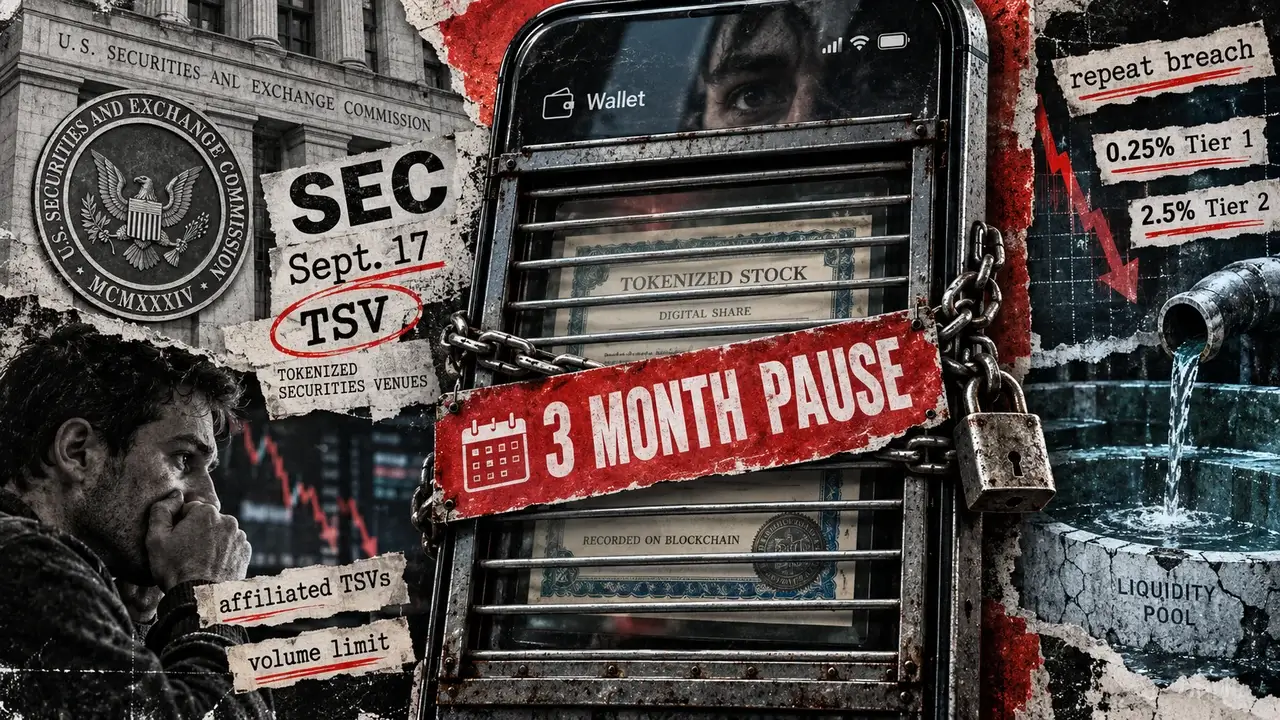
The SEC’s framework for experimental Tokenized Securities Venues (TSVs) includes a rule that trading may have to pause for three months under certain circumstances. This rule is triggered by repeated breaches of a stock’s trading volume limit on the exchange and its affiliates. It is important to note that this restriction applies specifically to that stock on the exchange and its affiliated platforms, rather than every version of that tokenized stock available.
Understanding the distinction between owning a token, owning the rights associated with a share, and having a platform to sell it is crucial in grasping the full scope of tokenized stocks. While stocks are already predominantly digital, tokenization introduces blockchain technology into the ownership and transfer process. The SEC’s guidelines differentiate between various models of tokenized securities, emphasizing the importance of preserving economic and governance rights, such as dividends and voting, in tokenized stocks.
The SEC’s experimental framework allows for a five-year trial of trading through automated market makers, which use software to facilitate trades against a pool of assets provided by participants. This automated trading system aims to streamline the trading process and connect with other financial software seamlessly. However, it relies on sufficient capital and willing participants to function effectively.
The volume limits imposed by the SEC on TSVs are designed to mitigate risks to the broader stock market and ensure that pool prices align with traditional share prices. Trading pauses are enforced for three months following repeated breaches of volume thresholds, with exchanges required to notify participants promptly. Buyers must consider the implications of these restrictions on their ability to sell tokenized stocks when needed.
The promise of extended trading hours offered by TSVs may not necessarily guarantee liquidity or favorable selling prices. SEC Commissioner Mark Uyeda highlighted the potential trade-offs of 24-hour trading, emphasizing the importance of liquidity distribution and market stability.
Before purchasing tokenized stocks, buyers should seek detailed information from providers regarding custody, shareholder rights, transfer options, redemption processes, and associated costs. Understanding the operational and regulatory framework of TSVs is essential for making informed investment decisions in this evolving market.
In conclusion, while tokenized stocks offer new opportunities for digital asset ownership and trading, buyers must navigate regulatory requirements and operational considerations to ensure a seamless and secure investment experience. The SEC’s experimental framework aims to strike a balance between innovation and investor protection, providing a foundation for the future growth of tokenized securities.