
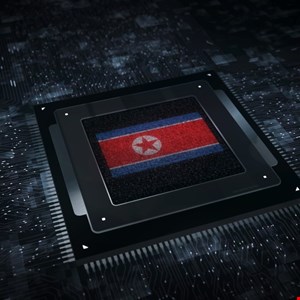
North Korea’s WaterPlum group, also known as Contagious Interview, has been involved in a widespread cyber attack that has impacted over 30,000 devices across more than 100 countries. The group has successfully obtained funds and credentials from over 7,000 cryptocurrency wallets, resulting in the transfer of at least JPY1.7bn ($10.7m) to North Korea.
The attack, which took place between December 2025 and July 2026, was a joint effort between Japan’s National Police Agency (NPA), the FBI, the Defense Department’s Cyber Crime Center, Australia’s ACSC, and Germany’s BND and BfV. It was determined that WaterPlum, in collaboration with some North Korean IT workers, operates under the 313 General Bureau, a division of the Munitions Industry Department that reports to the Central Committee of the Workers Party of Korea.
The modus operandi of the WaterPlum group involved posing as employers, particularly in the fields of AI, cryptocurrency, and NFT companies. They targeted developers, specifically web designers, engineers, and specialists in cryptocurrency and Web3 technologies, by recruiting them through social media, job boards, and freelance platforms. During fake job interviews or coding assignments, victims were instructed to download and execute files containing malicious NPM packages like BeaverTail, InvisibleFerret, OtterCookie, OtterCandy, or StoatWaffle.
StoatWaffle, in particular, was hidden within blockchain-themed Visual Studio Code (VSC) projects and executed code automatically once the victim trusted the folder. To protect against such attacks, agencies recommend opening unknown projects in Restricted Mode and checking any tasks.json file before running it. Once the malware infiltrated the system, remote access trojans and infostealers were used to extract browser credentials, keystrokes, screenshots, wallet private keys, seed phrases, and ID documents. This breach also provided access to the victims’ employers.
The advisory also highlighted the close association between WaterPlum and North Korea’s IT worker scheme, with some WaterPlum actors also functioning as North Korean IT workers. Both groups utilized the same IP addresses to access laptop farms, crowdsourcing services, and even applied for jobs at a Japanese cryptocurrency exchange. Laptop farms serve as remote workstations controlled by North Korean workers with the help of enablers who provide identity documents, bank accounts, and virtual private servers to conceal their location.
Japanese authorities successfully identified and dismantled a laptop farm in Japan for the first time, uncovering evidence of North Korean IT workers transferring large sums of money abroad, including through cryptocurrency channels. Some workers engaged in destructive behavior once hired, such as extorting companies for payment, publishing proprietary source code, or defacing client websites.
To mitigate the risks associated with such cyber attacks, agencies recommend that firms restrict contractors’ access to source code and credentials, verify applicants’ identities, and assess potential risks posed by subcontractors. It is crucial for organizations to remain vigilant and implement stringent security measures to protect against sophisticated cyber threats like those orchestrated by the WaterPlum group.