
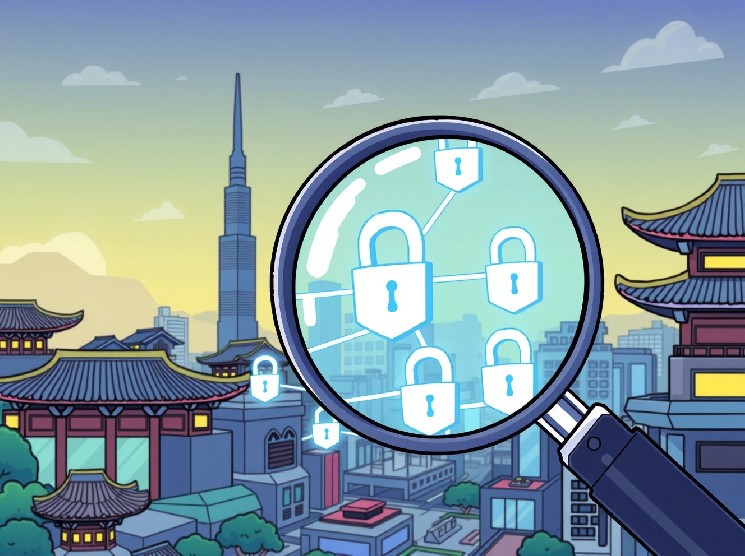
South Korea is taking a decisive step in cryptocurrency regulation as authorities launch a comprehensive inspection of blockchain services. This crucial move signals increased scrutiny of digital asset platforms and could reshape Asia’s crypto landscape. The inspection of blockchain services focuses on multiple sectors within the digital economy and reflects growing concerns about user protection and market stability.
What does this inspection of Blockchain services entail?
The Personal Information Protection Commission (PIPC) initiated this inspection of blockchain services following their November 20 plenary meeting. This research focuses on several critical areas of the blockchain ecosystem. The inspection will assess virtual asset issuance platforms and money transfer services. It also includes virtual asset exchanges that handle crypto-to-fiat conversions and stablecoin transactions. Additionally, decentralized identity services (DID) and public blockchain infrastructure are under scrutiny.
This inspection of blockchain services represents South Korea’s proactive approach to regulating emerging technologies. The country strives for a balance between innovation and consumer protection. The timing coincides with global cryptocurrency regulatory developments. South Korean authorities want to ensure that their blockchain ecosystem remains secure and compliant.
Why is this inspection of Blockchain services happening now?
The decision follows a preliminary adequacy assessment that approved new blockchain-based services. This inspection of blockchain services serves several purposes:
- Ensure compliance with data protection regulations
- Verifying security measures on blockchain platforms
- Assessing risk management in cryptocurrency transactions
- Evaluating the reliability of decentralized identity systems
- Monitor the stability of the public blockchain infrastructure
This inspection of blockchain services shows South Korea’s commitment to creating a secure environment for digital assets. The country has gradually strengthened its cryptocurrency regulations since 2017. This latest move is in line with global trends towards comprehensive supervision of digital assets.
What impact will this inspection of Blockchain services have?
The inspection of blockchain services could lead to significant changes in the way platforms operate. Companies may need to enhance their security protocols and compliance measures. This research could also influence the way other countries approach blockchain regulation. The findings could set precedents for international standards in cryptocurrency oversight.
Market participants should prepare for possible regulatory changes following this inspection of blockchain services. The results may impact trading volumes and accessibility of the platform. However, well-implemented regulations generally benefit legitimate operators and protect consumers.
Key Takeaways from South Korea’s Blockchain Initiative
This inspection of blockchain services highlights a number of important developments:
- South Korea continues to lead the way in cryptocurrency regulation
- User protection remains a top priority for authorities
- The inspection covers both central and decentralized services
- The results could influence the global regulatory approach
- Blockchain innovation must align with compliance requirements
The inspection of blockchain services represents a milestone in South Korea’s digital asset journey. It shows maturity in the country’s approach to balancing technological progress with necessary oversight. This careful research could help build greater trust in blockchain technologies among mainstream users and institutional investors.
Frequently asked questions
What prompted the South Korean inspection of blockchain services?
The inspection follows a preliminary adequacy assessment that approved new blockchain-based services, requiring authorities to ensure proper implementation and compliance.
Which services are covered by the inspection?
The research covers virtual asset issuance, money transfer services, crypto-to-fiat exchanges, stablecoin platforms, DID services and public blockchain infrastructure.
How long does the inspection of blockchain services take?
While no specific timeline has been announced, similar investigations typically take several weeks to be completed by regulators, with findings released gradually.
Will this affect cryptocurrency trading in South Korea?
The inspection may lead to temporary operational adjustments, but its aim is to create a safer trading environment in the long term.
Could this inspection influence the regulations of other countries?
Yes, South Korea often sets trends in cryptocurrency regulation, making this inspection potentially impacting global standards.
What should blockchain service providers expect?
Providers should prepare for increased compliance requirements and potentially updated security protocols based on inspection results.
Did you find this analysis of the South Korean inspection of blockchain services useful? Please share this article with colleagues and cryptocurrency enthusiasts on your social media channels to raise awareness about these important regulatory developments.
To learn more about the latest trends in cryptocurrency regulation, check out our article on the key developments shaping blockchain compliance and institutional adoption.
Disclaimer: The information provided is not trading advice. Bitcoinworld.co.in is not liable for any investments made based on the information on this page. We strongly recommend independent research and/or consultation with a qualified professional before making any investment decisions.