
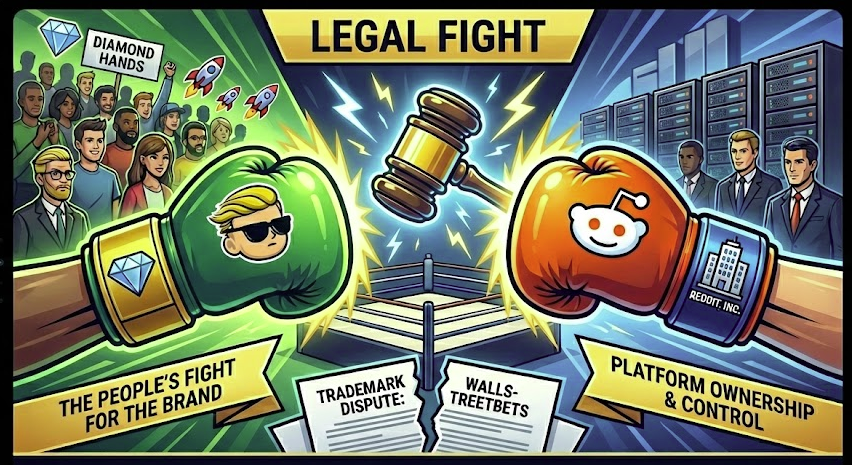
Jaime Rogozinski is taking his fight against Reddit to the Supreme Court, arguing that platforms shouldn’t be allowed to seize brands built by creators, creating a groundbreaking challenge to protect millions of digital entrepreneurs from “digital eminent domain.”
WASHINGTON, DC / ACCESS Newsline / November 24, 2025 / A legal battle that began with the founder of the globally influential WallStreetBets community has taken the steps of the US Supreme Courtthreatening to reshape who really owns the brands and communities built on the world’s largest internet platforms.

Legal battle for creators to retain ownership rights to their content rather than the social media platforms it is hosted on
The request for a writ of certiorari Rogozinski v Reddit Inc. it is not merely a trademark dispute; it is a critical test of whether Big Tech companies can legally ban a creator and then claim ownership of the highly valuable brand they built from scratch.
The heart of the battle: digital eminent domain
Jaime Rogozinski created WallStreetBets in 2012 and grew it into one cultural phenomenon that have redefined the financial landscape for retail investors. After a lower court sided with the platform and granted it the right to seize the brand, the case now serves as a stark warning to content creators; one of the fastest growing sectors in the US economy is expected to be worth half a trillion dollars by the end of next year.
“This is a blueprint for digital eminent domain. If this ruling stands, no creator on any platform – from YouTubers to open source developers – is truly safe,” Rogozinski said. “Platforms enjoy sweeping immunity from liability under Section 230 by masquerading as mere hosting platforms. They now want simultaneous ownership of the hosted content. They are like Schrödinger’s cat by asking for rights without accountability.”
The outcome of this petition will have profound implications beyond WallStreetBets, clarifying the blurred boundaries between online hosts (platforms) and a sources (makers and brands).
For content creators and influencers: It will determine whether the intellectual property they build can be seized unilaterally and by the platforms at their discretion.
For existing communities: It challenges the platform’s right to take total, unilateral control over brands and cultural movements they did not build, potentially turning the open internet into a new version of digital feudalism.
Authenticity crisis: By obscuring the source of a brand among hosting providers, the ruling could erode consumer trust, making it impossible to trace the source of online brands. “If the brand can be quietly transferred without the consumer being aware of it, the Internet becomes a hall of mirrors,” warns a support organization.
The petition filed with the Supreme Court is the first step towards the judges’ decision to hear the case. Mr. Rogozinski calls on content creators, IP rights advocates and open web organizations to recognize the significance of this moment.
This case is about protecting the future of digital entrepreneurship and ownership in the 21st century. The court’s ruling could clarify whether online users are innovation partners or tenants whose creations are owned by the landlord.
SOURCE: WSB Global, LLC
Related documents: