
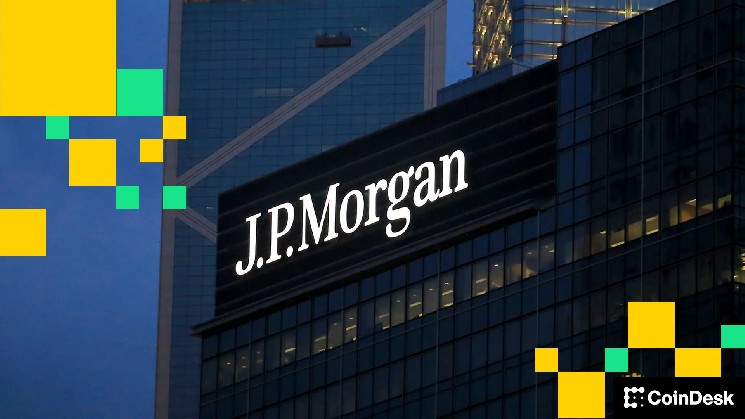
World Bank JP Morgan has arranged a groundbreaking commercial paper issuance on the Solana blockchain, in a move that pushes real-world financial instruments deeper into the public blockchain infrastructure.
Commercial paper, typically issued through existing systems, is a short-term debt instrument that companies use to raise working capital. This was structured and settled onchain using USDC, the stablecoin issued by Circle (CRCL).
JP Morgan created the onchain token representing the debt and handled the settlement. Galaxy’s investment banking arm structured the issuance. Coinbase acted as both an investor and a wallet provider, while Franklin Templeton, who has already founded a tokenized money market fund, also invested in the token.
This move underlines the increasing institutional interest in using blockchain plumbing for traditional financial instruments, also known as tokenization of real-world assets (RWA) such as debt, funds or equities. The process promises efficiency gains and faster resolution, proponents say. The market for tokenized assets could grow to $18.9 trillion by 2033, BCG and Ripple predict.
The trend has also received support from US regulators. SEC Chairman Paul Atkins recently touted tokenization as a major innovation for capital markets, saying in a FOX Business interview last week that it has the potential to change the financial system for years to come.
The issuance was the latest example of JP Morgan’s push into blockchain and tokenized assets. The bank was an early mover, developing JPM Coin in 2019 and launching its blockchain unit, Onyx, in 2020. That division, now integrated under Kinexys, executed blockchain-based repo transactions, cross-border payments and tokenized asset settlements with partners including BlackRock and Siemens.
Read more: BMW taps JPMorgan for first Onchain programmable FX payment