
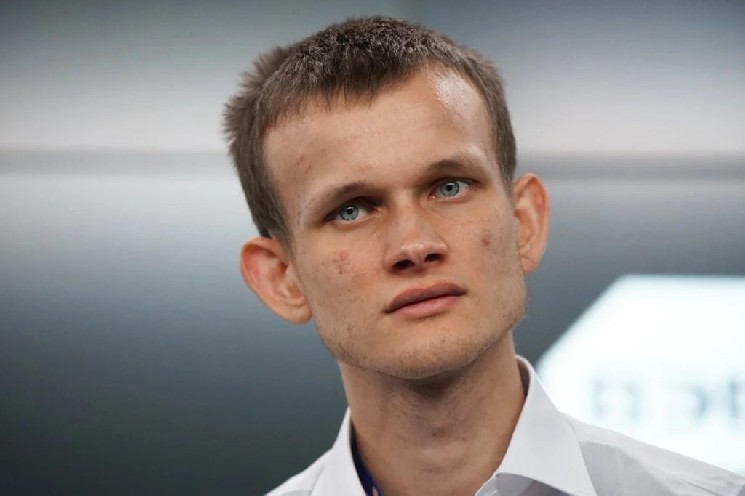
Ethereum co-founder Vitalik Buterin stated in a recent interview in China that decentralized social (DeSoc) solutions top the list of applications he most wants developers to build, followed by “smarter” DAOs.
Buterin noted that he observed a deviation from these objectives at the implementation level; a significant portion of the energy and capital in the sector shifted to products that did not generate ‘social value’.
In the interview, Buterin summarized his current motivations under three “urgent” headings: preventing cryptocurrencies from falling into a “doomsday scenario” and becoming 100% speculative, further advancing Ethereum technology, and preventing the future from falling prey to a centralized AI-controlled order. According to Buterin, if the cryptocurrency ecosystem fails, the risk of centralized AI becoming dominant in the technology world will increase; therefore, crypto can serve as a line of defense in protecting “openness and freedom.”
Buterin noted that Ethereum has made significant progress in scaling over the past year (e.g. increased gas capacity, deployment of zkEVM, improvements to the wallet experience), but his main concern lies in the application layer: he stated that despite the large number of applications being created, if a significant portion of them lack “real social meaning,” decentralized technology could be reduced to “toy or casino”-like products.
Buterin illustrated this change in direction at the implementation layer with the memecoin tree. In the interview, he interpreted the possibility of Donald Trump releasing a memecoin in early 2025 as a sign of “where the industry has come”; he then argued that with the emergence of a second token (MELANIA), the first token (TRUMP) would become “effectively irrelevant.”
The rapid rises and sharp falls of memecoins linked to political figures have fueled debates about market confidence and reputation.
According to Buterin, the fundamental need on the part of DeSocial Security (DeSoC) is social networks that do not tie users to a single platform; they offer portability and true ownership. For DAOs (Digital Access Automobiles), rather than simply “token voting and moving on,” deeper thinking and more experimentation are needed to design governance that is aligned with the organization’s goals.
*This is not investment advice.