
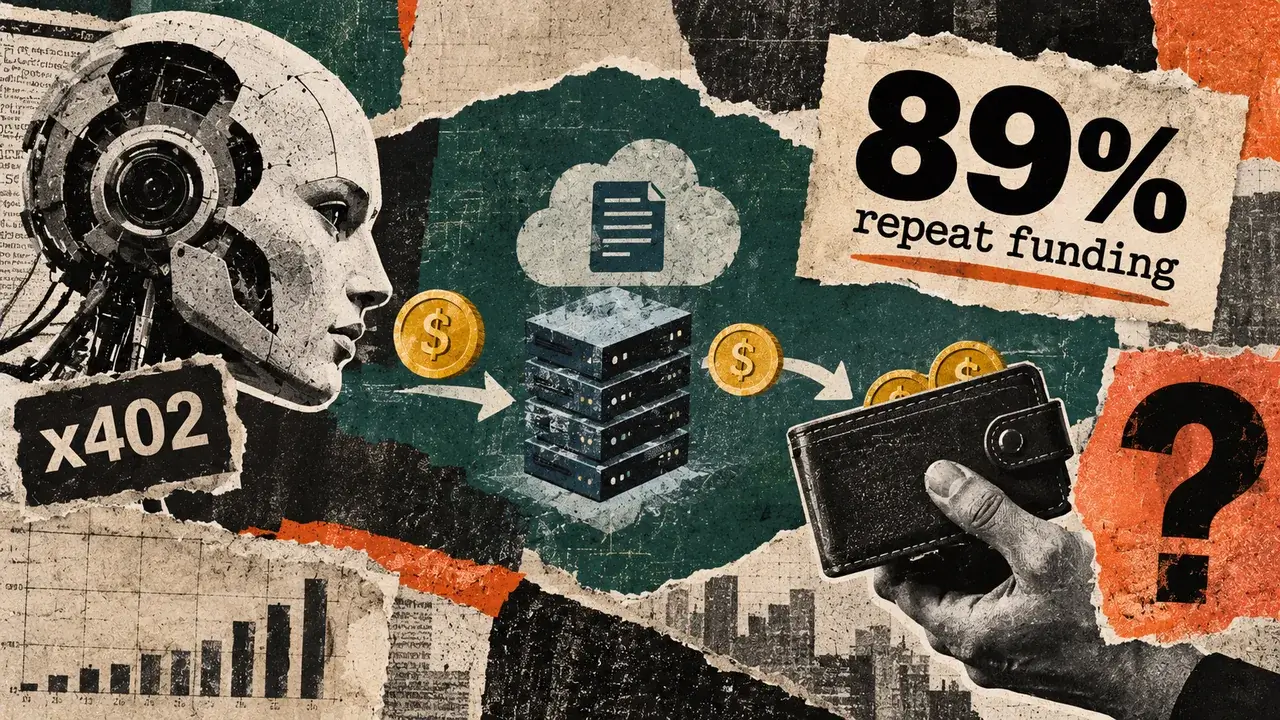
The adoption of automated cryptocurrency transactions is on the rise, with two-thirds of newly funded x402 wallets making payments within an hour in the third quarter. This marks a significant increase from just 4% a year earlier, according to a recent Chainalysis report. The median time between wallet funding and first payment has also decreased to 18 minutes from 73 days in late 2025, indicating a growing trend towards immediate transactions.
The emergence of machine-to-machine payments, where AI agents can make purchases using stablecoins, is gaining traction. By July, Coinbase’s x402 standard on the Base blockchain had processed over 138 million transactions as technology companies explore ways to monetize automated services.
Coinbase introduced x402 in 2025, allowing software applications to pay for online resources directly through web requests, eliminating the need for manual authorization. AI agents can now request information or computing services, receive payment instructions, and settle transactions in cryptocurrency before accessing the requested resource.
The appeal of x402 lies in the economics of micropayments, where traditional banking and card-processing fees can exceed the value of the purchase. Chainalysis reports that over 87% of x402 payments range between $0.0001 and $0.10, with transactions between one and 10 cents being the most common payment size. These small transactions support various per-request services, including AI model inference, code reviews, financial intelligence, and data retrieval.
Developers can now purchase computing resources as needed, potentially creating new revenue streams for businesses that previously relied on subscriptions or enterprise contracts. The shift towards more frequent wallet funding indicates a move beyond one-time experiments towards establishing recurring spending budgets for automated software.
American companies are leading participants in this emerging AI payment economy, with US-linked wallets accounting for approximately 30% of geographically identified transactions between AI agents and service providers. This dominance is evident in AI model inference, where American wallets generated 88.1% of payments.
As the use of x402 continues to grow, questions arise about the authenticity of transactions and the commercial viability of businesses built around automated payments. A recent academic study found that a significant portion of transactions were fictitious or occurred within clusters of wallets linked through funding relationships. This poses a challenge for companies looking to translate transaction activity into revenue from independent customer purchases.
As more AI developers introduce pay-per-request services, the growth in recurring merchant receipts will determine which businesses can sustain themselves in the long run. The evolution of automated payments presents both opportunities and challenges for companies looking to capitalize on this growing trend.