

Robinhood Makes Strategic Move by Adding $25M in Bitcoin to Treasury
Robinhood, a leading fintech and blockchain company, has recently embraced the Strategy-led Bitcoin treasury trend by purchasing $25M worth of Bitcoin to add to its balance sheet. This move marks the first time that Robinhood has bought a separate stash of Bitcoin, distinct from its users’ funds.
Johann Kerbrat, the Senior Vice President and General Manager at Robinhood, explained the firm’s rationale behind this decision, stating, “We firmly believe in the future of cryptocurrency and see this as a strategic step towards diversifying our overall asset portfolio.”
With this move, Robinhood becomes the 199th public company to incorporate Bitcoin into its corporate treasury diversification strategy. Currently, this group, spearheaded by Strategy, holds a total of 1.279 million BTC, valued at approximately $105 billion based on current market prices.
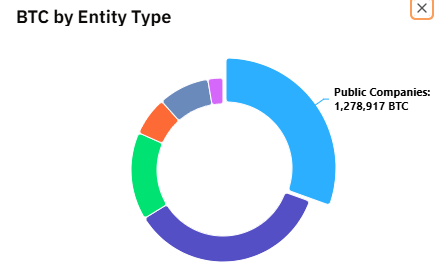
Despite trailing behind ETFs and other investment funds, which hold 1.499 million BTC, Robinhood’s foray into Bitcoin treasury management highlights its commitment to the future of cryptocurrency. The company’s recent expansions and integrations further reinforce this belief.
Robinhood Chain Achieves Milestones in TVL and Revenue
Robinhood’s strategic bets in the cryptocurrency sector are yielding positive results. The introduction of prediction markets in late 2024, expanded to cover various areas such as politics, sports, and earnings report outcomes in 2025 and 2026, generated $260 million in revenue for Robinhood in the first two quarters of 2026.
In addition, Robinhood has intensified its focus on tokenized securities, stock tokens, and perpetual Futures across commodities, ETFs, and foreign exchanges. The launch of its Ethereum Layer 2 solution, Robinhood Chain, in July 2026 has been a resounding success, with the L2 crossing $1 billion in Total Value Locked (TVL) within three months, and generating a record monthly revenue of $32.3 million in September.
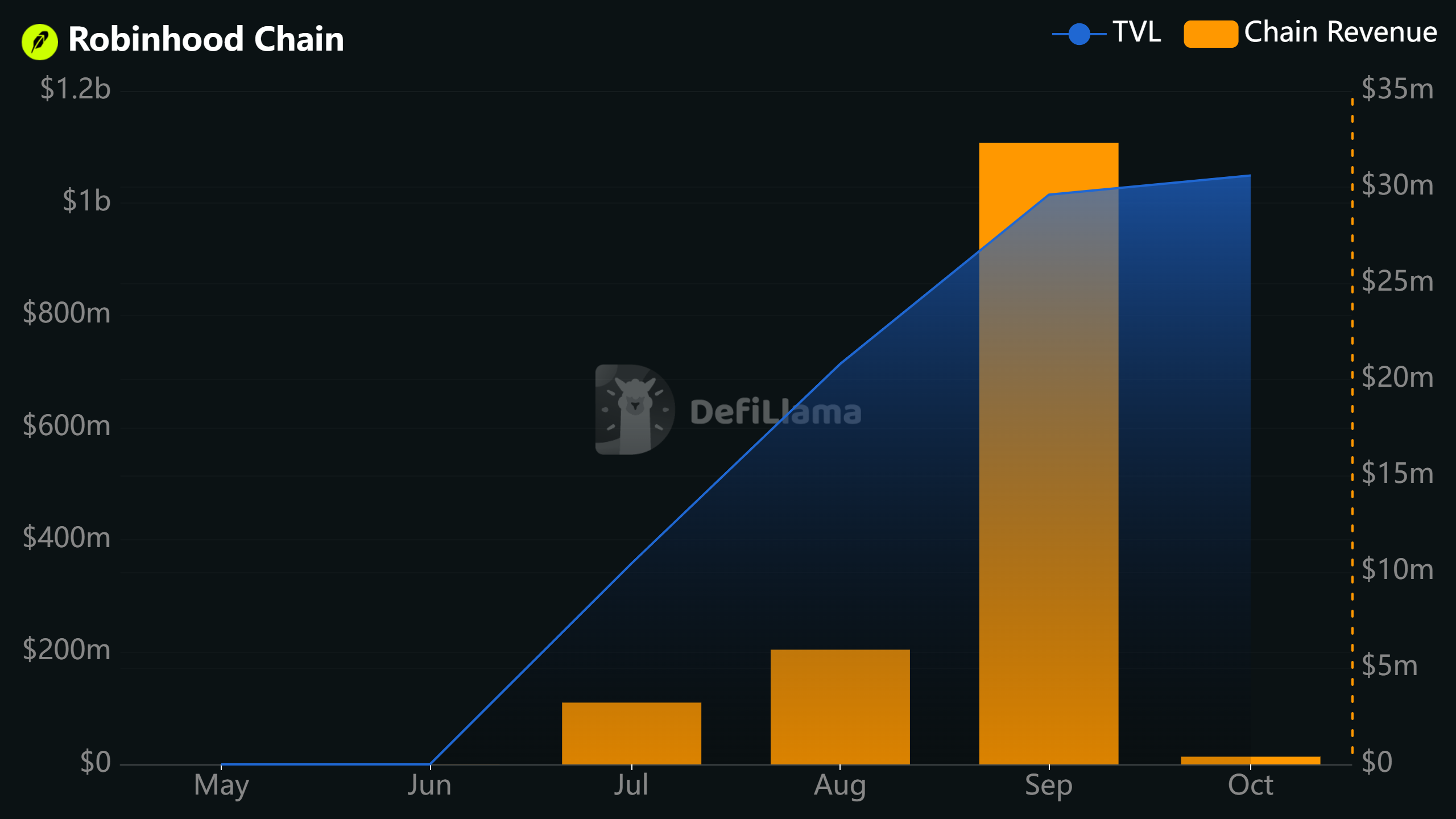
Despite operating in a competitive Layer 2 ecosystem, Robinhood Chain’s success stands out amidst the exits of other players. The fintech’s crypto ventures are increasingly becoming significant revenue streams, raising speculation on how these developments may impact the performance of HOOD, Robinhood’s stock.
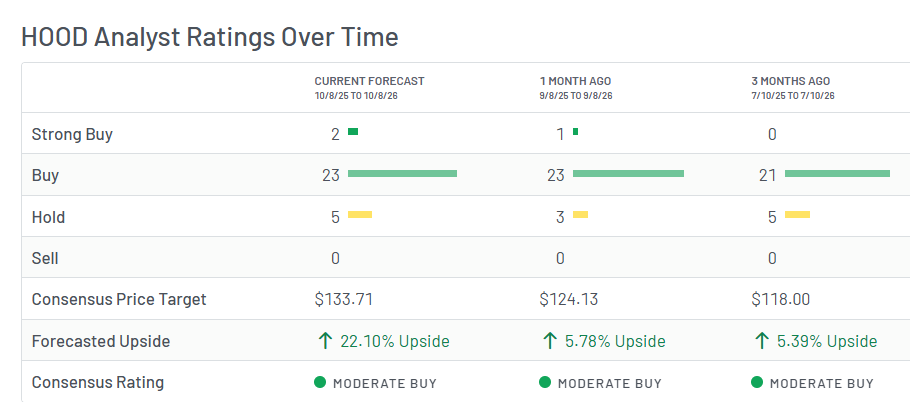
Market analysts are optimistic about Robinhood’s stock, with a bullish target price of $133. Barclays and Bank of America have projected potential surges to $132 and $156, respectively, indicating a 22.5% and 38% upside from its current trading price of $109.5.
Final Thoughts
- Robinhood’s strategic move to add $25M in Bitcoin to its treasury underscores its commitment to cryptocurrency.
- The company’s crypto investments are proving fruitful, with Robinhood Chain achieving significant milestones in TVL and monthly revenue.
The world of technology is constantly evolving, with new innovations and advancements being made every day. One of the most exciting areas of technological development is in the field of artificial intelligence (AI). AI has the potential to revolutionize the way we live, work, and interact with the world around us.
AI is a branch of computer science that focuses on creating intelligent machines that can perform tasks that typically require human intelligence, such as visual perception, speech recognition, decision-making, and language translation. These machines are designed to learn from experience, adapt to new inputs, and perform tasks with a level of autonomy that was previously only possible for humans.
One of the key areas where AI is making a significant impact is in the field of healthcare. AI-powered systems are being used to analyze medical imaging, such as X-rays and MRIs, to detect and diagnose diseases more accurately and quickly than ever before. These systems can also be used to predict patient outcomes and recommend personalized treatment plans based on an individual’s unique health data.
In addition to healthcare, AI is also being used in a wide range of other industries, including finance, transportation, and manufacturing. In finance, AI-powered systems are being used to detect fraud, predict market trends, and automate trading. In transportation, AI is being used to develop self-driving cars and optimize traffic flow. In manufacturing, AI is being used to improve efficiency and quality control.
Despite the many benefits of AI, there are also concerns about the ethical implications of this technology. There are worries about the potential for AI to be used in ways that could harm individuals or society as a whole, such as in surveillance or military applications. There are also concerns about the impact of AI on jobs, as automation could lead to job losses in certain industries.
Overall, the development of AI has the potential to bring about significant changes to the way we live and work. As this technology continues to advance, it will be important for policymakers, researchers, and industry leaders to work together to ensure that AI is used in a responsible and ethical manner. By harnessing the power of AI for good, we can create a future where intelligent machines work alongside humans to improve our lives in ways we never thought possible.