
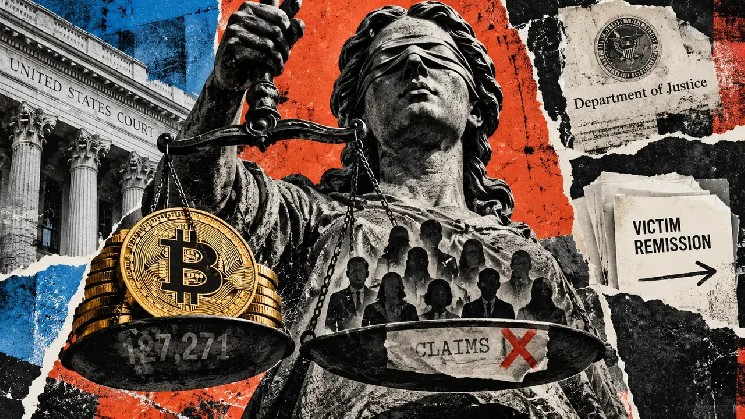
New Developments in the Seized Bitcoin Case
In October 2025, the Department of Justice (DOJ) filed a civil forfeiture complaint regarding Bitcoin allegedly linked to fraud and money laundering involving Prince Holding Group and its chairman, Chen Zhi. The Bitcoin was placed in US custody as a result.
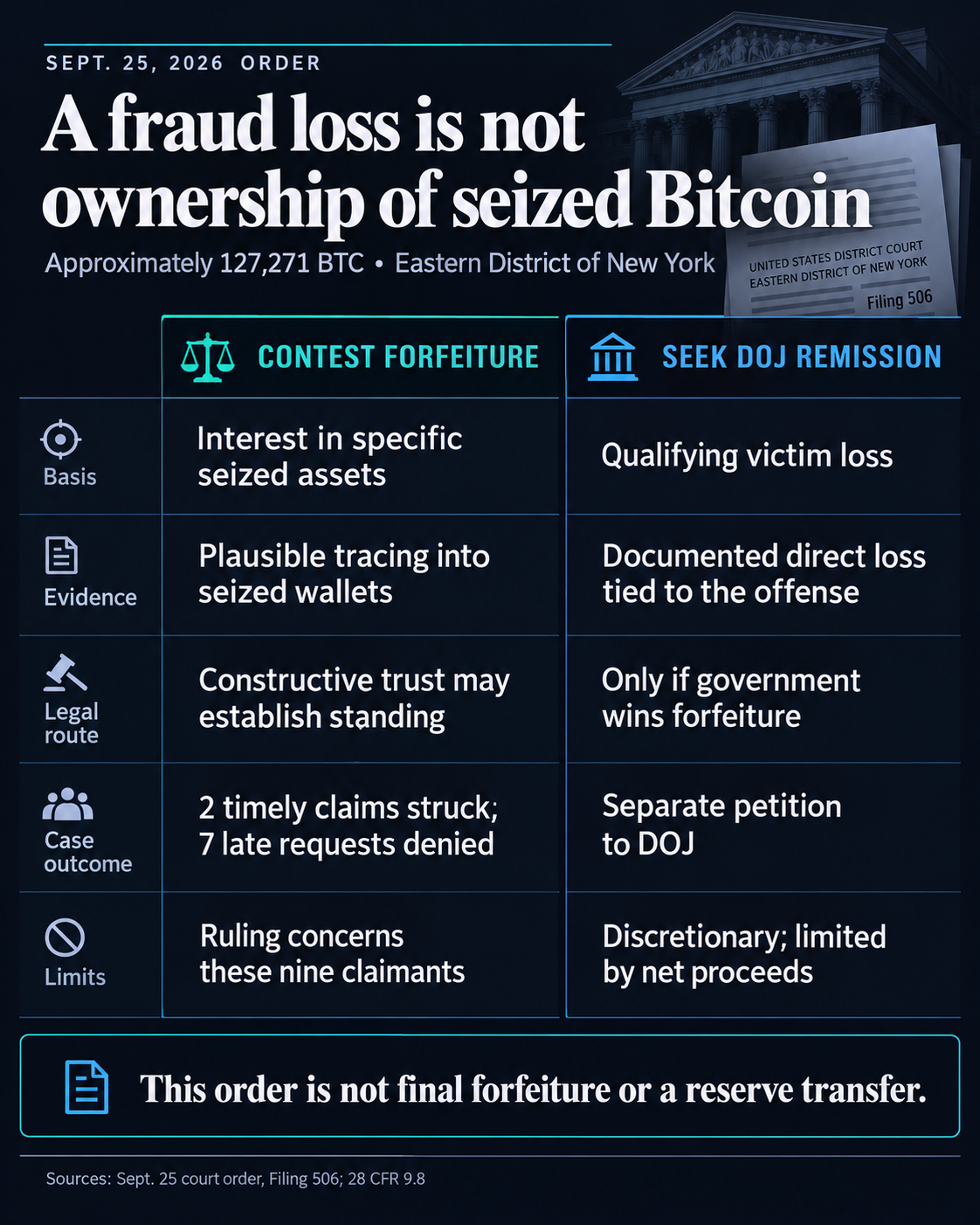
Recent court proceedings have determined that claimants in the case can be considered general unsecured creditors at best, with no qualifying interest in the specific assets being forfeited. Merely experiencing a loss due to fraud does not establish ownership of the seized coins.
The court acknowledged that a constructive trust could grant a claimant an equitable ownership interest and legal standing. However, none of the claimants were able to convincingly demonstrate a connection between their funds and the confiscated Bitcoin.
One claimant, Lawrence D. Van Dyn Hoven, based his claim on an investigator’s belief that his stolen cryptocurrency was among the seized assets. However, the court found that his submission lacked supporting evidence to substantiate this belief.
Potential for Victim Remission
The presiding judge mentioned the possibility of victim remission if the government successfully forfeits the Bitcoin. This process allows eligible victims to seek recovery from forfeited property, even if they do not currently own it.
According to 28 CFR 9.8, petitioners must demonstrate a specific financial loss directly related to the offense leading to forfeiture or a related offense, among other eligibility criteria.
Criteria include not knowingly participating in or benefiting from the offense and having no willful ignorance. Petitioners must also show that they have not been compensated for the loss and do not have other readily available assets for recovery.
If the forfeited property does not cover all petitions, recognized victims may receive proportionate shares. However, remission is limited to a victim’s portion of the net forfeiture proceeds, meaning full repayment is not guaranteed regardless of the size of the Bitcoin seizure.
The recent court order has clarified the standing of the nine claimants. Their potential recovery hinges on the outcome of the government’s forfeiture efforts and a subsequent decision on their documented-loss petitions.